Nova Farms recently joined the Respect My Region Podcast for a conversation about growing cannabis outdoors, developing products, operating dispensaries, and expanding a vertically integrated company across several Northeast cannabis markets.
The episode featured Todd, Nova Farms’ Chief Brand Officer, and Matt Davidson, Vice President of Retail and Marketing. They joined RMR co-owner Joey Brabo to discuss how Nova Farms evolved from a group of friends building outdoor cannabis farms into one of the Northeast’s largest privately owned cannabis operators.
The conversation covered cultivation, manufacturing, extraction, retail operations, affordability, customer loyalty, healthy soil, retail technology, and the challenge of expanding without abandoning the culture that built the company.
Nova Farms is not simply a dispensary chain or a single cannabis brand. The company participates in cultivation, manufacturing, wholesale, brand development, and retail. Its operations now reach seven communities across Massachusetts, Maine, Rhode Island, New Jersey, and Connecticut.
Nova Farms Started With Friends and Outdoor Cannabis
Nova Farms describes its beginning as a group of friends brought together by a shared dream and a willingness to put in the work required to build some of New England’s first and largest outdoor cannabis farms.
That history remains central to the company’s identity. While much of the legal cannabis industry has moved toward highly controlled indoor production, Nova Farms continues to emphasize cannabis nurtured by sunlight and sustained by healthy soil.
Outdoor cultivation presents its own challenges. Growers have less control over weather, temperature, humidity, pests, and seasonal changes. One difficult storm or unexpected environmental shift can influence an entire crop.
At the same time, successful outdoor cultivation can produce cannabis at a different scale and with a different environmental footprint than a facility that depends on artificial lighting throughout the full cultivation cycle.
For Nova Farms, sun-grown cannabis is not simply a marketing phrase. It is tied to the company’s origin story, production strategy, and connection to New England agriculture.
During the podcast, Todd and Matt discussed what it took to move from those early outdoor farms into a larger company with cultivation, manufacturing, wholesale, retail, and brand-building responsibilities.
Growth created more opportunities, but it also introduced more complexity.
Nova Farms Operates Across Five States
Nova Farms currently describes itself as a regional cannabis company with farms and operations in seven communities across five states.
Those states include:
- Massachusetts
- Maine
- Rhode Island
- New Jersey
- Connecticut
The company currently lists six open dispensaries across four states. Its official location directory also identifies a Rhode Island dispensary as coming soon.
Nova Farms’ active retail locations include:
- Attleboro, Massachusetts
- Dracut, Massachusetts
- Framingham, Massachusetts
- Greenville, Maine
- Woodbury, New Jersey
- New Britain, Connecticut
The Massachusetts network remains the largest part of the company’s retail footprint.
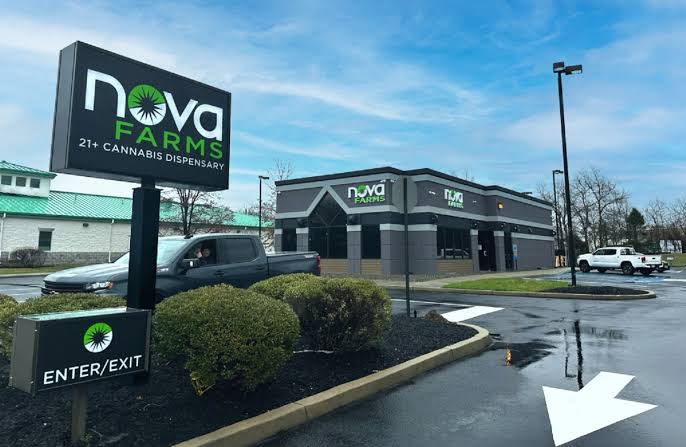
Nova Farms Attleboro operates at 1000 Washington Street. Its Dracut dispensary is located at 1274 Merrimack Avenue, while the Framingham store serves customers at 1137 Worcester Road.
Outside Massachusetts, Nova Farms operates at 22 Rockwood Road in Greenville, Maine; 642 Mantua Pike in Woodbury, New Jersey; and 623 Hartford Road in New Britain, Connecticut.
Each location operates within a separate state-regulated cannabis system.
The Nova Farms name may remain consistent, but the menu, product selection, purchase rules, promotions, testing requirements, packaging, and supply chain can differ considerably from one state to another.
Cannabis sold in Massachusetts generally must be produced within Massachusetts. Products sold in New Jersey, Maine, or Connecticut must move through their respective licensed systems. That means expanding a cannabis company across state lines is not as simple as opening another conventional retail store.
A traditional retailer can often distribute the same inventory to stores across multiple states. Cannabis companies do not have that option under the current federal system.
Each state functions as a separate market. Nova Farms must work within different rules for cultivation, manufacturing, testing, packaging, inventory, retail transactions, marketing, and customer eligibility.
The New Britain location, for example, serves both recreational consumers and registered medical patients. Nova Farms’ Massachusetts, Maine, and New Jersey dispensaries are currently identified as recreational stores.
Those distinctions affect everything from employee training to menu organization.
A customer visiting Nova Farms in Attleboro may encounter different brands and products than someone shopping at the company’s Woodbury or New Britain locations. Even Nova Farms’ in-house brands must be produced through the licensed supply chain of the state where they are sold.
Nova Farms Has Built a Portfolio of Cannabis Brands
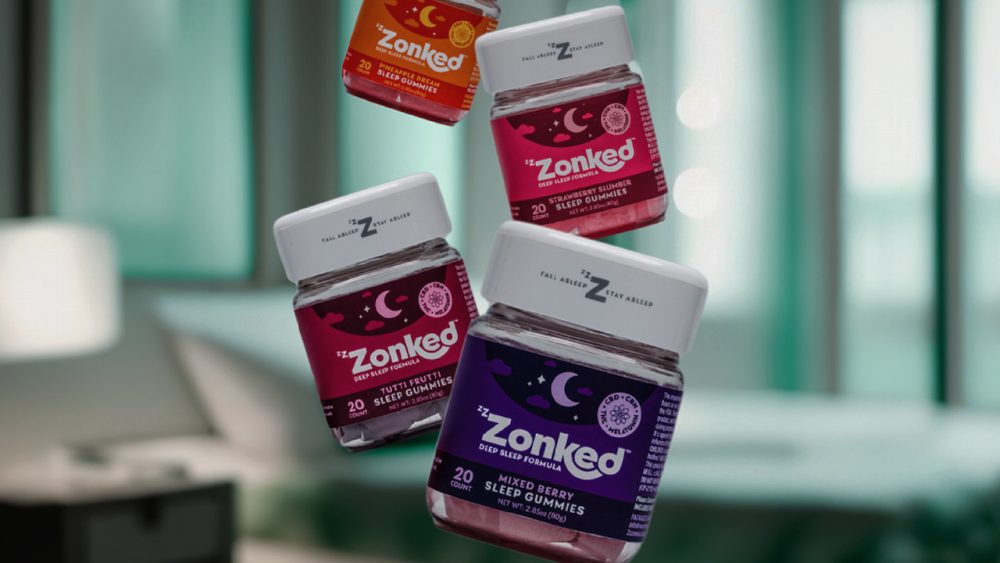
Nova Farms has developed multiple cannabis brands rather than trying to place every product under one name. Its larger portfolio has included Southie Adams, Sticky Fish, Hashables, Zzzonked, Rezzy, and Meltdown.
Those brands give Nova Farms room to compete in several cannabis categories and communicate with different customer groups.
Southie Adams has become one of the company’s most recognizable flower-oriented brands. Sticky Fish gives Nova Farms a position within concentrates and extraction. Hashables and Zzzonked extend the portfolio into edibles, while other product identities allow the company to compete across pre-rolls, vaporizers, gummies, chocolates, and additional formats.
Maintaining several brands creates flexibility, but it also requires discipline. Each brand needs a clear reason to exist. Packaging, pricing, product quality, flavor, potency, and customer expectations need to work together. If every line looks and feels identical, the value of having multiple brands disappears.
The podcast gave Nova Farms an opportunity to explain how cultivation, manufacturing, extraction, and retail connect behind those products.
A cannabis item does not begin when it appears on a dispensary menu. It begins with genetics, cultivation, harvest planning, processing, testing, formulation, packaging, compliance, and production decisions that may have been made months earlier.
Affordability and Quality Do Not Have to Be Opposites
Price is one of the strongest forces shaping legal cannabis in the Northeast. Customers want quality, but they also pay attention to value. Retailers must find ways to offer approachable prices without training shoppers to purchase only when products are heavily discounted.
Nova Farms operates in markets where consumers have access to an increasing number of dispensaries, brands, and promotions. That competition creates pressure throughout the supply chain.
The podcast conversation addressed the relationship between affordability and product quality.
Affordable cannabis does not automatically mean low-quality cannabis. Premium packaging and a higher price also do not guarantee that the product inside will deliver a better experience.
Value comes from the complete relationship between quality, consistency, price, and customer expectations.
A shopper purchasing an affordable everyday pre-roll may have different priorities than someone searching for small-batch flower or a specialized concentrate. The responsibility of the retailer is to understand those priorities and help customers find the right product for the occasion and budget.
Nova Farms’ cultivation, manufacturing, brand, and retail capabilities give it several ways to participate in that process.
Retail Employees Connect the Entire Business to the Customer
Cultivation and manufacturing happen behind the scenes. The dispensary is where most customers experience the company directly. Budtenders translate an extensive menu into something understandable.
They help new shoppers understand the differences between flower, pre-rolls, vaporizers, concentrates, gummies, chocolates, tinctures, and other formats. They also work with experienced consumers who already know the genetics, cannabinoid profile, brand, or product type they want.
That makes employee education an important part of the Nova Farms retail strategy.
A large menu can become an advantage when employees understand it. The same menu can become overwhelming when products are poorly organized or staff members cannot explain the differences.
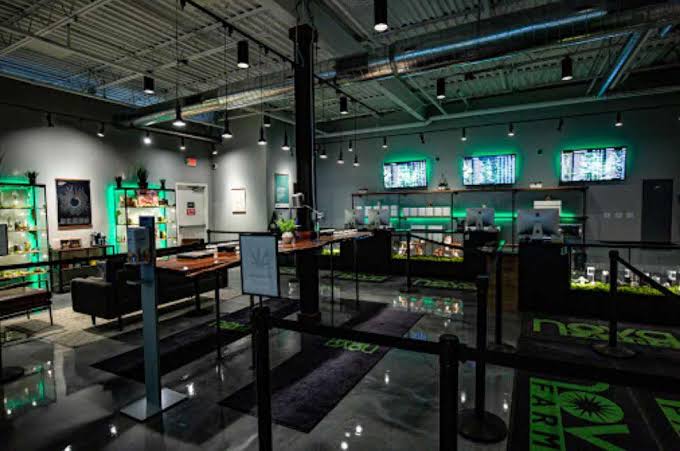
Marketing may introduce someone to Nova Farms, but the store experience determines whether that shopper returns. Clean facilities, accurate menus, useful recommendations, dependable inventory, fair promotions, and respectful service all influence that decision.
Operating six dispensaries across four active retail markets requires more than consistent branding. Every location needs compliant transactions, inventory controls, menu updates, employee permissions, customer information, promotions, reporting, and dependable point-of-sale technology.
Inventory accuracy is especially important.
A customer who sees a product online expects it to be available after arriving at the store. When inventory changes, the digital menu and retail system need to reflect that change quickly.
One of the most difficult challenges for a cannabis company is expanding without losing the qualities that made people care about it initially. Nova Farms began with friendship, outdoor cultivation, physical work, and a shared connection to the plant.
The company now operates across several states with multiple dispensaries, production responsibilities, employees, brands, and regulatory systems.
That growth changes the organization.
Decisions that were once made by a few people may eventually involve specialized teams responsible for cultivation, manufacturing, compliance, retail, finance, marketing, technology, and wholesale.
The goal is not to keep the company permanently small. It is to preserve the values that deserve to survive as the operation becomes more structured.
For Nova Farms, that means continuing to emphasize the plant, the craft, the people, sunlight, healthy soil, community, affordability, and optimism.
Those ideas have to show up through the products and retail experience. Otherwise, they become little more than language on a company website.
The RMR Podcast Goes Inside Nova Farms
The Respect My Region Podcast episode with Todd and Matt gives viewers a clearer understanding of the complete Nova Farms business. The conversation moves beyond dispensary menus and product photographs to examine how the company grows, manufactures, markets, and sells cannabis across several regulated states.
It also provides a look at the people responsible for communicating the brand and guiding the retail experience.
Nova Farms has grown considerably from its beginnings as a group of friends working on outdoor farms. It now operates six dispensaries, manages farms and operations in seven communities across five states, and supports a portfolio of recognizable cannabis brands.
That scale makes Nova Farms an important company to watch in the Northeast.
Its future will depend on maintaining product quality, protecting customer trust, adapting to changing state markets, supporting its employees, and keeping its original culture present as the company continues to grow.
Watch the full Respect My Region Podcast episode to hear Todd, Matt Davidson, and Joey Brabo discuss the farms, products, stores, technology, and people behind Nova Farms.
Current dispensary locations, hours, menus, and company information are available through the official Nova Farms website.
Cannabis Disclaimer: Cannabis is restricted to adults 21 and older except for patients participating in an authorized medical cannabis program. Purchase and possession limits differ by state. Do not drive while impaired or transport cannabis across state lines. Store cannabis products securely away from children and pets.