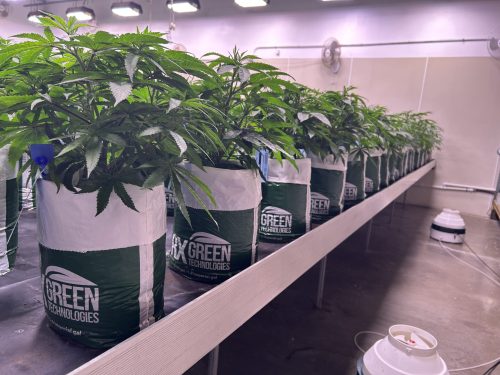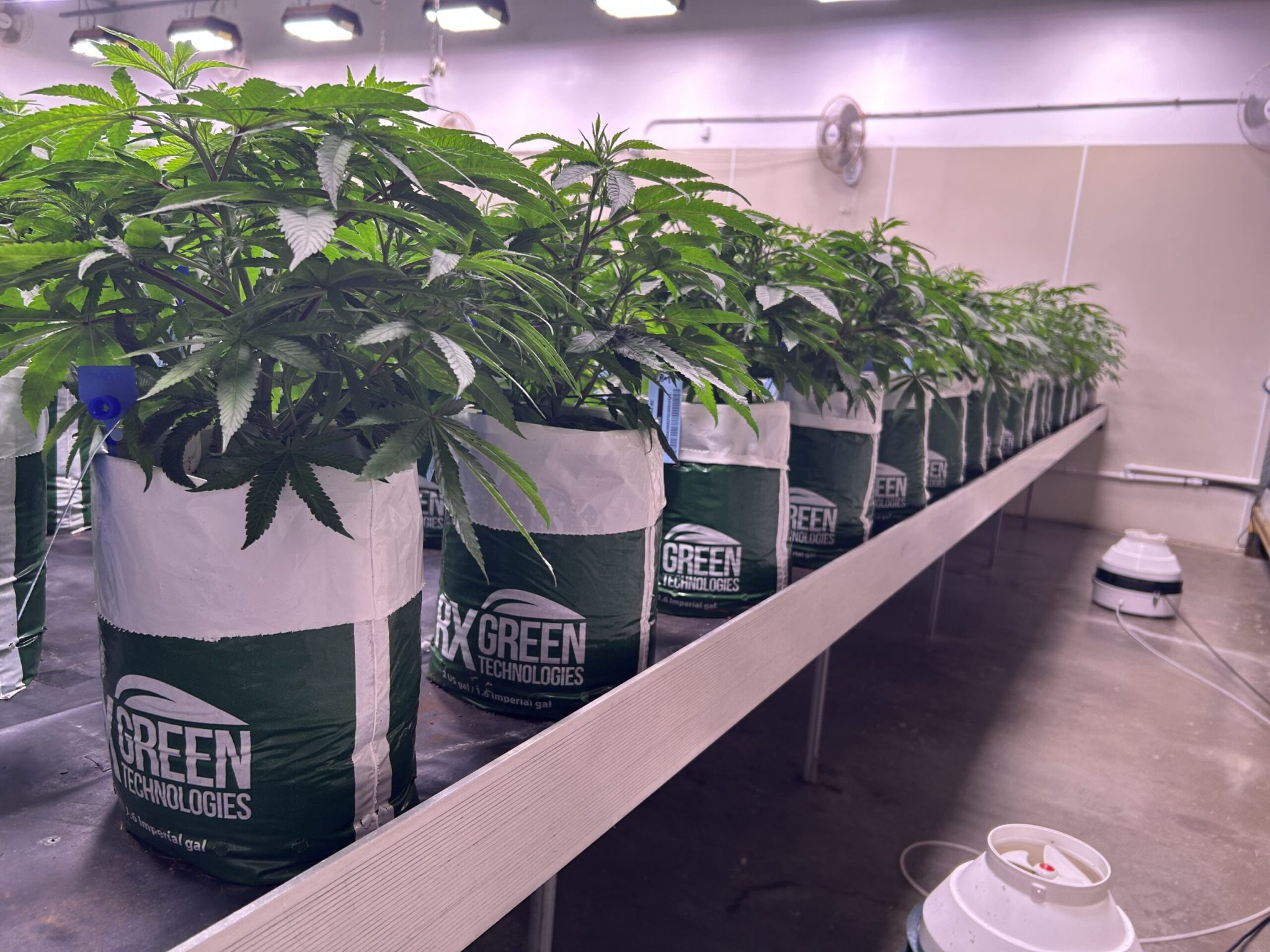
A cannabis room turnover puts several departments on the same deadline. Harvest crews need plants out, sanitation teams need access, and cultivation managers need the next group ready to move in. Between those steps, someone still has to prepare the growing media, position containers, check irrigation, and make sure the room is ready for plants.
For commercial operators, that transition deserves the same financial attention as nutrients, lighting, and environmental controls. Ready-to-use grow bags offer one way to simplify media preparation, but their value depends on where a facility actually loses time. The useful question is whether changing the format removes work that slows down the next production cycle.
What Goes Into a Cannabis Room Turnover?
Room turnover is the full transition between outgoing plants and an incoming crop. Depending on the facility, that includes removing used substrate, cleaning containers, sanitizing surfaces, servicing equipment, inspecting irrigation, and preparing new plant positions.
Some tasks happen simultaneously. Others cannot begin until the previous step is complete. A crew might prepare containers elsewhere while sanitation happens inside the room, for example. In another facility, limited staging space might force workers to wait.
That distinction matters when evaluating growing media. Faster container preparation only shortens the overall turnover if that preparation affects the room’s readiness. If equipment repairs or plant availability set the schedule, saving time on media may free up workers without changing the transplant date.
Where Ready-to-Use Grow Bags Fit
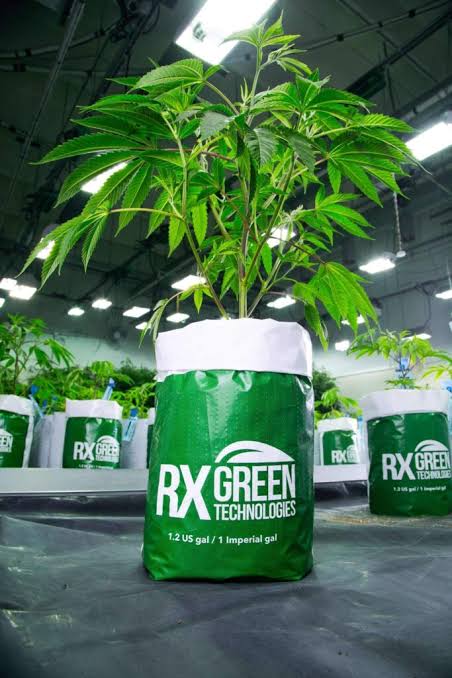
Ready-to-use, or RTU, grow bags combine the substrate and growing container into a prepared unit. Instead of filling individual pots onsite, workers position the bags and prepare them for planting according to the manufacturer’s instructions.
Rx Green Technologies’ ready-to-use coco grow bags contain buffered, pre-hydrated media, with options including pure coco and a blend of 70% coco coir and 30% coarse perlite. The company describes a perforated top that workers open and roll down before planting. Those features shift specific preparation steps away from the cultivation crew.
Operators still need to inspect incoming material, follow setup directions, and confirm that the containers work with their irrigation and drainage systems. “Ready-to-use” describes the product format. The facility remains responsible for preparing the room and establishing appropriate growing conditions.
Count the Labor Behind Each Plant Position
A media invoice captures the purchase price. It does not show every hour required to turn that purchase into usable plant positions.
For an existing loose-media workflow, managers should document receiving, moving material, filling containers, positioning pots, handling empty packaging, and cleaning the preparation area. If compressed media requires expansion onsite, include that work and any associated waiting time. Record only the steps the facility actually performs.
Then compare the same boundaries during an RTU trial. Receiving and positioning bags still take labor, so those hours belong in the comparison.
A practical metric is preparation labor cost per usable plant position:
Preparation labor cost per position = total preparation labor hours × loaded hourly labor cost ÷ usable positions prepared.
Use a loaded labor rate that reflects the employer’s actual costs, including applicable payroll expenses and benefits.
Separate Labor Savings From Calendar Savings
Labor hours and elapsed time tell different stories. Four employees working for three hours represent 12 labor hours, even though only three hours pass on the clock.
A different media format could reduce the number of people needed without finishing the room earlier. It could also finish preparation earlier while leaving total labor relatively similar. Both outcomes deserve measurement because they affect different business decisions.
Reduced labor might let a manager move employees to irrigation maintenance, scouting, or another scheduled task. Earlier room readiness could create scheduling flexibility.
Neither result automatically creates another harvest or additional revenue. Those outcomes depend on the broader production calendar, plant supply, staffing, and other constraints. Operators should connect any financial projection to a documented scheduling change.
Look Beyond the Room Door
Turnover work often stretches into hallways, storage areas, loading zones, and preparation rooms. A workflow that looks efficient inside the cultivation room may require several handling steps elsewhere.
During a trial, follow the material from delivery through final placement. Count how often employees move it, where it waits, and whether preparation blocks access to other work areas.
Include cleanup in that review. Filling containers can create a separate cleanup task, while prepared bags introduce their own packaging and handling requirements.
Storage also deserves attention. Compare the actual pallet footprint, delivery frequency, handling equipment, and onsite inventory needed for each option. A reduction in preparation work should be evaluated alongside any changes in freight, receiving, and storage costs.
Keep Sanitation on Its Own Schedule
Prepared media does not replace room sanitation. Removing a filling step should not become a reason to shorten cleaning procedures, skip inspections, or move new material into an area before the sanitation team releases it.
Instead, evaluate whether the revised workflow makes responsibilities easier to coordinate. Can workers stage incoming materials without crossing an active cleaning area? Does the team know when positioning can begin? Are tools and transport equipment included in the facility’s procedures?
These questions help distinguish an organized turnover from a rushed one. The goal is a repeatable handoff between crews, with the room ready for its next crop and each required task completed.
Choose Media That Fits the Cultivation Program
Pure coco and coco-perlite options should be evaluated against the facility’s irrigation strategy, container size, crop schedule, and environmental conditions. A simpler preparation process is only part of the decision.
Head growers should establish how they will assess irrigation distribution, substrate conditions, drainage, and plant establishment during the trial. They should also document any adjustments required after changing media or container formats.
If a team changes several variables at once, interpreting the results becomes harder. A trial that combines new media, different genetics, revised irrigation, and a new transplant schedule cannot clearly isolate the effect of the grow bags.
Keep comparisons as consistent as practical and document unavoidable differences.
Build the Comparison Around Total Deployment Cost
The most useful purchasing comparison is the cost of getting each plant position ready under the facility’s operating conditions.
Include delivered substrate cost, containers where purchased separately, preparation labor, relevant equipment use, cleanup, and waste handling. Avoid counting the same expense twice when the substrate and container arrive as one product.
Evaluate ongoing cultivation performance separately from preparation efficiency. A faster setup does not establish better crop quality, higher yield, or lower irrigation costs.
Likewise, an RTU option with a higher purchase price could still warrant consideration if verified labor reductions offset the difference. The calculation should use facility records and current quotes, with clearly stated assumptions.
What Should Operators Measure During an RTU Trial?
Start with a representative production area and record the existing process before changing it. Use the same definitions for both workflows so the comparison remains useful.
Track preparation labor hours, elapsed setup time, usable plant positions, cleanup time, handling steps, delivered costs, and any setup problems. Record when the room becomes ready and what determines the actual transplant time.
After planting, continue documenting the cultivation team’s observations and required adjustments. Repeat the comparison when practical to see whether the first result holds.
Before ordering, ask Rx Green Technologies to review the proposed bag format, media selection, setup requirements, and delivery plan against the facility’s existing workflow. Bring the trial results into that conversation so the next purchasing decision rests on measured costs and a workable production schedule.
–
For more updates on improving cannabis room turnover efficiency, check out our previous article featuring Rx Green Technologies.