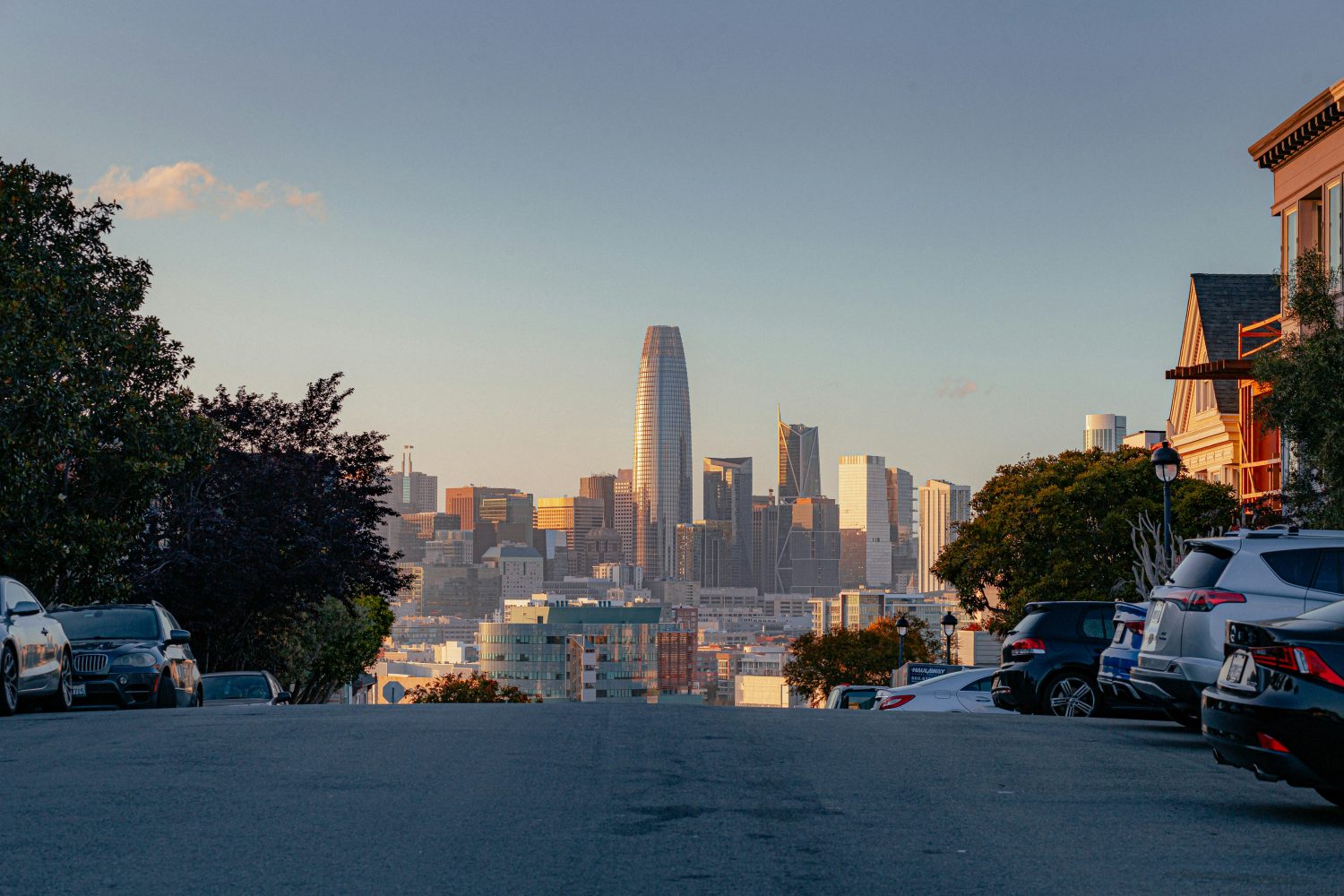
San Francisco is officially creating a legal framework for cannabis cafés. Mayor Daniel Lurie approved the city’s cannabis café ordinance on July 23, 2026, after the San Francisco Board of Supervisors passed the legislation by a 7–4 vote. The ordinance becomes effective at 12:00 a.m. on August 23, 2026.
The new law allows San Francisco to implement the expanded cannabis hospitality model authorized by California Assembly Bill 1775. Qualified businesses will be able to combine legal on-site cannabis consumption with non-cannabis food, nonalcoholic beverages, and live entertainment.
San Francisco already has licensed cannabis consumption lounges, including spaces connected to retailers such as Barbary Coast and Moe Greens. The new ordinance goes further by creating a separate cannabis café permit and updating local rules so qualified cannabis businesses can pursue more complete hospitality experiences.
The ordinance does not mean cannabis cafés will automatically open on August 23. Businesses must still apply, secure the required permits, satisfy state and local regulations, and pass applicable inspections before operating.
California’s AB 1775 Created the Cannabis Café Framework
Governor Gavin Newsom signed Assembly Bill 1775 on September 30, 2024. The law took effect January 1, 2025.
AB 1775 amended Section 26200 of the California Business and Professions Code. It allows local jurisdictions to authorize licensed cannabis retailers and microbusinesses with approved consumption areas to prepare or sell non-cannabis food and beverages.
The state law also allows locally approved businesses to host live musical or other performances and sell tickets to those events.
AB 1775 did not automatically authorize cannabis cafés in every California community. Cities and counties retained the power to prohibit the model or establish their own local licensing, zoning, food-safety, and operating requirements.
San Francisco initially lacked the local rules necessary to fully implement the law. Ordinance 131-26 now provides the city’s authorization and regulatory structure. The official legislative record shows the ordinance was enacted and approved on July 23.
What San Francisco Cannabis Cafés Can Offer
A permitted San Francisco cannabis café will be allowed to sell cannabis and cannabis products exclusively for consumption on its premises.
That restriction is important. A cannabis café is not the same as a standard dispensary where customers can purchase products and leave with them. Cannabis sold by the café cannot be taken off-site.
The ordinance requires café menus to clearly state that all cannabis and cannabis products are for on-premises consumption only. Cannabis cafés will also be prohibited from delivering cannabis products to customers.
Qualified operators may prepare and sell non-cannabis food and beverages in accordance with the California Retail Food Code and San Francisco health requirements. That could support café menus featuring coffee, tea, prepared meals, snacks, desserts, and other conventional food-and-beverage options.
The cafés may also host live musical performances or other entertainment and sell tickets to those events when the operator holds all required approvals.
Cannabis cafés cannot sell or permit the consumption of alcohol or tobacco anywhere on the premises.
The law also does not allow café kitchens to manufacture their own cannabis-infused meals, drinks, or desserts. Cannabis products must continue to come through California’s licensed, regulated, tested, and tracked cannabis supply chain.
Non-cannabis food and drinks must be stored and displayed separately from cannabis products. State law also prohibits cannabis smoking or vaporizing inside food-preparation, food-storage, and warewashing areas.
Industrial hemp products and food or drinks containing industrial hemp are not included in the café authorization provided by AB 1775.
Cannabis Café Access Is Restricted to Adults 21 and Older
Access to the cannabis consumption area must be restricted to adults who are at least 21 years old.
State law requires every entrance to the consumption area to prominently display a warning informing visitors that cannabis consumption, including smoking, is permitted inside. Cannabis use must not be visible from a public place or an area that is not age-restricted.
San Francisco’s ordinance also establishes electronic age-verification requirements. Cannabis cafés must maintain functioning electronic age-verification equipment and train employees to use it.
The business cannot complete a cannabis sale if its required electronic age-verification system is not working.
The enacted ordinance does not clearly establish an exception allowing medical cannabis patients between 18 and 20 years old to enter the newly created café category. Unless San Francisco issues implementing guidance establishing an exception, the accurate standard is that cannabis café access will be limited to people 21 and older.
Operators Will Need Multiple Permits and Approvals
Opening a San Francisco cannabis café will require more than a general business license.
An operator will need a cannabis café permit administered by the San Francisco Office of Cannabis. The applicant must also provide documentation supporting a California storefront retailer license.
The business must obtain a cannabis consumption permit from the San Francisco Department of Public Health. Food service will require compliance with the California Retail Food Code and applicable San Francisco health-permitting requirements.
Planning, zoning, building, fire, accessibility, security, and entertainment approvals may also apply based on the location and proposed operations.
Applicants must submit an operations plan identifying required information such as security measures, cannabis shipment procedures, proposed forms of consumption, and plans for supporting medicinal cannabis consumers.
Cannabis cafés must operate from fixed locations. Mobile cafés operating from trucks, buses, vans, or other vehicles are not permitted under the ordinance.
How Much Will a San Francisco Cannabis Café Permit Cost?
San Francisco’s new permit structure includes a $2,000 nonrefundable application fee and a $3,000 license fee for the café’s first year of operation.
After the first year, the annual cannabis café license fee will be $5,000. Permit amendments can also require additional processing fees.
The ordinance specifically requires equity applicants to pay the $2,000 application fee, applicable permit-amendment costs, and the $3,000 first-year license fee associated with a cannabis café permit.
These fees cover only part of the cost of opening. Operators may also face expenses related to construction, ventilation, food-service equipment, inspections, security, insurance, staffing, accessibility, and other permits.
Existing Cannabis Retailers Receive the First Opportunity
San Francisco is initially limiting who can apply for the new permits.
During the first year after the ordinance becomes effective, cannabis café permits will generally be restricted to businesses that already hold valid San Francisco storefront cannabis retailer permits or entities with the same ownership as an existing permitted retailer.
Equity-ownership requirements apply when an associated storefront retailer includes a qualifying equity applicant. A single storefront permit also cannot be used to support multiple café permits during the initial eligibility period.
After the first-year restriction expires, additional applicants may become eligible under the city’s rules.
The policy gives established San Francisco cannabis operators the first opportunity to enter the café market. According to KQED’s reporting, San Francisco had issued 79 cannabis retailer permits, with 66 active earlier in 2026.
Cannabis Cafés and Existing Dispensary Lounges Are Not Identical
The ordinance creates cannabis cafés as a distinct permit category. Under the amended city code, a cannabis café is legally separate from a standard cannabis retailer.
A traditional storefront retailer may sell cannabis for customers to take off-site. It may also operate an approved on-site consumption area if it holds the necessary authorization.
A cannabis café can only sell cannabis intended for consumption inside the café. Nothing sold from the café’s cannabis inventory may leave the premises.
The ordinance also implements AB 1775 for qualified existing retailers with consumption areas, potentially allowing them to add prepared food, nonalcoholic drinks, and entertainment after obtaining the necessary approvals. The exact permit pathway will depend on the business, location, layout, state license, and local health and consumption authorizations.
Existing lounges should not assume their current permits automatically allow restaurant-style food preparation or ticketed entertainment. Each operator must comply with the new local requirements before adding those services.
The 600-Foot Buffer Still Exists
San Francisco generally restricts cannabis retail establishments from opening within 600 feet of another permitted cannabis retail use.
The new ordinance does not eliminate that rule. It creates a limited exception for cannabis cafés in certain circumstances when the proposed location is within 600 feet of another cannabis retail establishment and the location is otherwise allowed under state and local law.
Operators will still need to confirm that a proposed property satisfies planning, zoning, and cannabis-location requirements before signing a lease or beginning construction.
Worker Exposure Remains the Law’s Biggest Controversy
Public-health organizations opposed the ordinance because it allows employees to work in spaces where customers may smoke or vaporize cannabis.
The American Lung Association and American Cancer Society Cancer Action Network submitted opposition emphasizing the risks associated with secondhand cannabis smoke. Four supervisors—Connie Chan, Chyanne Chen, Myrna Melgar, and Alan Wong—voted against the ordinance.
AB 1775 includes several workplace protections. Employees may choose to wear respiratory protection, including N95 or NIOSH-rated N95 masks, in areas where cannabis is smoked, and the employer must pay for those masks.
Employees assigned to work where cannabis is smoked must receive written public-health guidance concerning secondhand cannabis smoke when hired. Cannabis consumption businesses must also address secondhand smoke in the workplace-hazard analysis required as part of their injury and illness prevention programs.
The state law requires local jurisdictions to consider adequate ventilation and filtration. It does not automatically mandate one universal ventilation system for every café. San Francisco businesses must comply with the specific building, health, operational, and air-control requirements applied to their locations.
The city ordinance also eliminates a prior local restriction that prevented businesses with cannabis consumption permits from requiring employees to enter designated cannabis smoking rooms as a condition of employment. That change makes employee training, exposure policies, protective equipment, and workplace safety especially important.
When Will San Francisco Cannabis Cafés Open?
The ordinance becomes effective on August 23, 2026, but that is not a guaranteed opening date for any café.
The San Francisco Office of Cannabis and other city departments must administer the application and approval process. Operators will then need to secure permits, complete inspections, and demonstrate compliance before opening.
No cannabis café should be described as approved or ready to open solely because the ordinance has been enacted.
Still, the law creates a major new opportunity for San Francisco’s legal cannabis industry. Food sales, nonalcoholic beverages, live entertainment, longer customer visits, tourism, and branded experiences could give operators additional ways to generate revenue in a difficult regulated market.
San Francisco’s model will remain more controlled than the “Amsterdam-style” label suggests. These businesses will operate under overlapping cannabis, food-safety, workplace, security, and land-use rules.
The opportunity is real, but so is the compliance burden. If operators successfully navigate those requirements, cannabis cafés could become a meaningful addition to San Francisco’s cannabis culture, nightlife, hospitality, and tourism economy.
–
For more updates on cannabis cafes in San Francisco, subscribe to the official RespectMyRegion.com newsletter.
This article is provided for informational purposes only and does not constitute legal advice. Cannabis laws, permit requirements, agency guidance, and implementation timelines can change. Operators should consult the San Francisco Office of Cannabis, the Department of Public Health, the California Department of Cannabis Control, and qualified legal counsel before making business decisions.