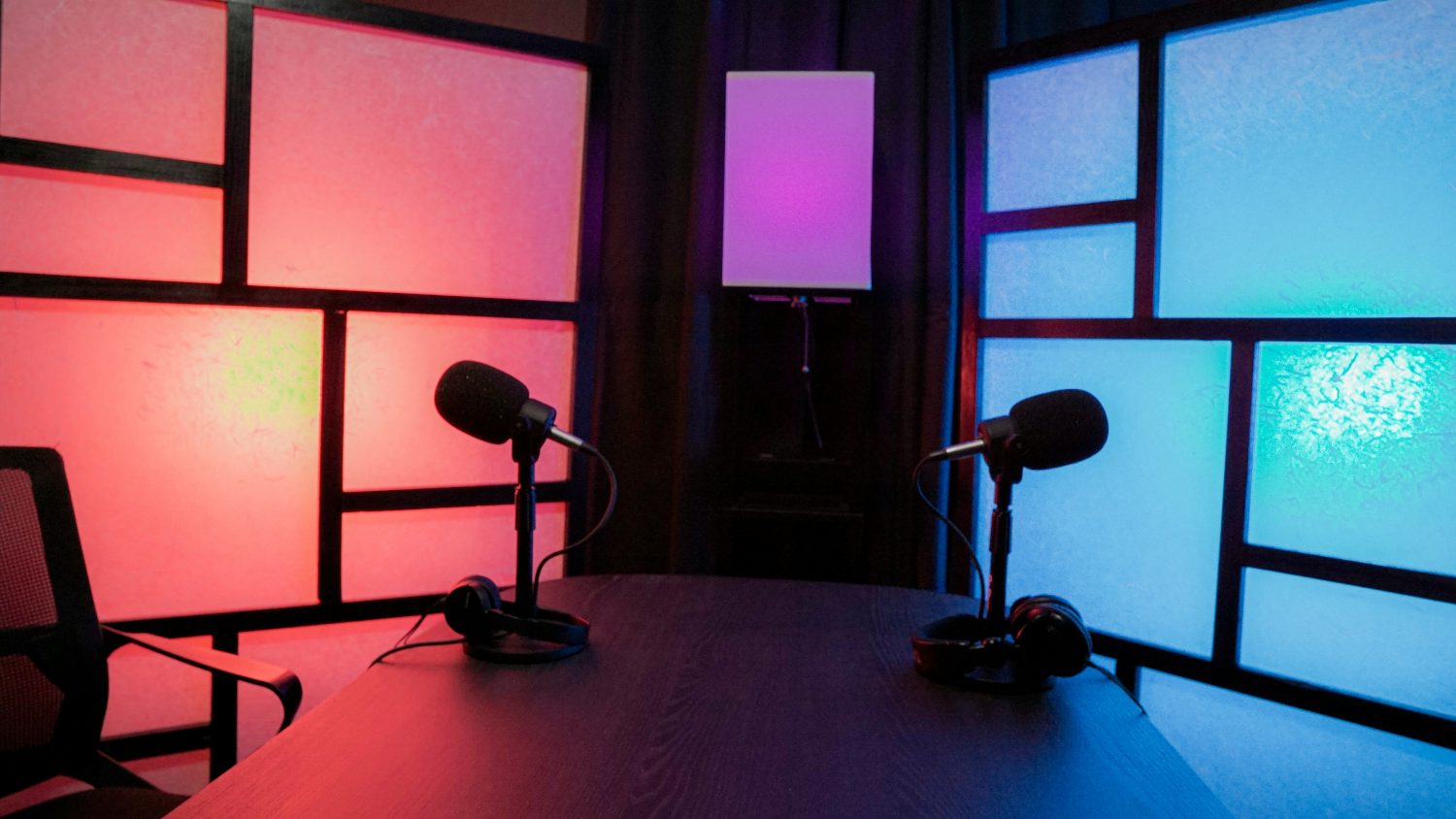
Respect My Region’s remote podcasting and social clipping model gives dispensaries another option to promote products and brands. Instead of building a studio, hiring a production crew or waiting for an in-person content day, RMR can remotely record owners, buyers, managers and budtenders.
Dispensaries have hundreds—sometimes thousands—of products sitting inside their stores, but most retail content only shows a small fraction of what is available. A product arrives. Someone takes a photo, tags the brand and posts it to Instagram. A weekend deal gets added to a Story. By the following week, the store has moved on to the next promotion.
That keeps the feed active, but it rarely gives customers enough information to understand the products, remember the store or connect with the people behind the counter.
Those conversations can become full podcast episodes, short-form videos, written features and searchable content tied to the dispensary’s products, categories, employees, brand partners and location.
The strongest opportunity is the show-and-tell format.
Budtenders can bring real products onto the podcast, explain what caught their attention and offer perspectives informed by direct conversations with shoppers. One episode can introduce multiple brands, open natural cross-selling opportunities and give the dispensary weeks of social content without forcing employees to perform a commercial.
Budtenders Already Have the Information Customers Want
Budtenders spend every shift answering questions.
They hear customers ask about flower, concentrates, vapes, edibles, beverages, pre-rolls, potency, flavor, price and convenience. They know which questions come up repeatedly. They know which products need more explanation and which categories customers are beginning to explore.
That frontline knowledge is valuable content.
There is research behind that influence. A 2025 study examining budtender knowledge and perceptions found that budtenders answer a wide range of cannabis questions and that more than 70 percent of the surveyed workers believed they significantly influenced consumer behavior.
A separate consumer survey cited by Flowhub found that 76 percent of dispensary shoppers said a budtender’s expertise and advice directly influenced what they purchased.
That is the same influence dispensaries already rely on inside their stores. Remote podcasting extends it beyond the sales floor.
A traditional advertisement tells people what a company wants them to buy. A knowledgeable budtender can help customers understand how products are different, who produced them, how the formats compare and where they fit within the larger menu.
That does not require medical advice or unsupported claims. Budtenders can discuss observable details such as packaging, format, ingredients, aroma, hardware, serving size, price range, brand story and the questions shoppers commonly ask.
The Show-and-Tell Format Makes Products Easier to Understand
Cannabis is highly visual. Packaging, flower structure, concentrate consistency, vape hardware, edible format and labeling all influence how a customer evaluates a product.
A remote podcast allows the guest to hold an item up to the camera and walk viewers through it. The budtender can point out cannabinoid information, terpene labeling, serving size, hardware design or other visible features. They can explain why the dispensary brought the product in and how it fits into the menu.
That show-and-tell element creates several layers of value.
First, it helps customers recognize the product when they see it inside the store or on the online menu. Second, it gives the featured brand content it may want to repost. Third, it gives the dispensary a reason to discuss products without relying entirely on discounts.
The conversation can also move through several categories. A budtender might show a flower option, a complementary concentrate, a convenient pre-roll and a low-dose edible during the same recording. Each segment can later become an individual clip.
The full episode tells the larger story of the dispensary. The clips create focused pieces of content around individual products, brands and customer questions.
RMR’s feature on High Seas Cannabis Boutique in Costa Mesa illustrates the size of this opportunity. High Seas carried more than 2,700 products when RMR reviewed its menu.
A dispensary with that much inventory cannot explain every category through static graphics.
The RMR Podcast conversation with High Seas purchasing manager Chelsea gave the retailer room to explain how it selects brands, studies customer preferences, reviews sales information and manages a massive assortment.
That conversation could support numerous show-and-tell follow-ups. One episode could focus on California flower. Another could compare live resin and rosin. A third could introduce beverages, gummies and other non-smokable products to customers who may not know where to begin.
One Remote Podcast Can Highlight Numerous Products
An episode does not need to revolve around a single company. RMR can build the conversation around the dispensary’s current priorities. Those priorities might include new arrivals, staff favorites, locally owned brands, women-owned companies, value products, premium selections or categories the store wants customers to understand better.
One recording could cover:
- Three flower products budtenders are recommending this month
- Live resin, rosin and distillate vape comparisons
- Low-dose edibles and beverages
- Solventless products at different price points
- Traditional and infused pre-rolls
- Products from local cultivators
- New brands entering the market
- Staff picks across multiple categories
This gives the dispensary an opportunity to support several vendor relationships in one episode. It also creates a larger pool of clips because every product, category and question can become a separate post.
Instead of trying to produce 12 unrelated videos, the store can record one focused conversation that naturally generates 12 usable moments.
RMR has already demonstrated several versions of this retail format.
The Finding Haven Dispensary episode used Maryland’s 7/10 season as an entry point for a larger conversation about concentrates, customer shopping patterns and dispensary education.
RMR’s All Good Dispensary episode introduced the story of a legal Brooklyn retailer while also producing short clips about subjects such as terpenes and New York products.
The High Seas conversation placed a purchasing manager at the center of a discussion about menu construction, customer feedback and vendor relationships.
Those are different stories, but the production model is repeatable: record one knowledgeable retail voice, identify the strongest subjects and turn the conversation into multiple pieces of content.
Cross-Selling Can Feel Educational Instead of Forced
Cross-selling is one of the biggest opportunities within this format, but it should be approached through education instead of pressure.
The goal is not to tell every shopper to buy more. It is to show how the menu connects.
A budtender could discuss a cultivator’s flower and then show a pre-roll or concentrate made with the same genetics. That creates a natural story around how one cultivar appears across multiple formats.
A shopper interested in flavor could learn about a flower product, vape and concentrate featuring similar terpene profiles. Someone prioritizing convenience could be introduced to pre-rolls, all-in-one vapes and individually packaged edibles.
A store could also compare value, mid-tier and premium products within one category. Each selection can serve a different customer without dismissing one product to elevate another.
A concentrate-focused episode offers a clear example. RMR’s guide comparing live rosin and live resin explores differences involving extraction methods, flavor, efficiency, handling and price.
A budtender could bring one live rosin and one live resin product onto the podcast, explain those differences in plain language and show customers options at two price points. The segment educates the viewer while helping the dispensary merchandise both categories.
Cross-selling can also be built around laboratory information. RMR’s guide to reading cannabis COAs explains how buyers and budtenders can use testing data to evaluate products beyond THC percentage.
During an episode, a budtender could scan a product’s QR code, identify its cannabinoid and terpene information and compare it with another item from the same brand. That creates a useful clip about shopping through product data while giving the retailer an opportunity to show multiple SKUs.
The podcast becomes a guided walk through the menu instead of a stream of disconnected promotions.
Social Clips Give Every Conversation a Longer Life
The full podcast serves customers who want an in-depth conversation. Short clips reach people who may only give the store 30 to 90 seconds of attention. RMR can identify the strongest moments from the recording and turn them into individual videos with clear subjects.
Potential clips include:
- What this budtender looks for in a quality pre-roll
- Three questions customers ask about rosin
- Why this dispensary added cannabis beverages
- A closer look at this month’s featured flower
- How live resin and distillate vapes are different
- The local brand customers keep requesting
- What edible shoppers should read on the label
- Three products from the same genetics
- A buyer’s approach to selecting new brands
Those clips can be published across Instagram, TikTok, YouTube Shorts, Facebook and LinkedIn when the topic fits the platform. Brands featured during the episode can be tagged and given a clear reason to share the content with their audiences.
The clips can also create additional search entry points. Google’s official video SEO guidance explains that videos may appear across standard search results, video results, Google Images and Discover when they are accessible and properly presented.
Google also recommends giving individual video pages unique titles and descriptions. That supports naming every RMR clip around the actual product, category, employee or question featured in the video.
Instead of uploading a clip called “Podcast Episode 12,” the dispensary can publish something specific:
- “High Seas Buyer Explains How the Store Selects California Flower”
- “Finding Haven Breaks Down Live Rosin for Maryland Shoppers”
- “Brooklyn Budtender Explains Why Terpenes Deserve More Attention”
Specific titles make the content easier for people and search engines to understand.
Retail Employees Can Become Recognizable Local Voices
Dispensaries often promote the store without introducing the people who make the experience work.
Remote podcasting gives employees room to build familiarity with the community. A buyer can explain how the menu is curated. A manager can discuss neighborhood partnerships. A budtender can share how they approach product education. An owner can tell the larger story of the company.
When customers repeatedly see those employees in clips, the dispensary becomes more familiar before the shopper arrives.
This can also support employee development. Budtenders participating in educational content can strengthen their communication skills, establish their professional presence and show brands that they understand the products they sell.
The best guests do not need to perform like influencers. They need to understand the menu, have clear perspectives and explain products without leaning on exaggerated claims.
RMR’s coverage of Andover Cannabis in New Jersey shows how a founder podcast can expand into written coverage around a dispensary’s story, anniversary programming and place within its local market.
The podcast introduces the person. The article adds searchable context. The clips keep the conversation moving across social media.
Brands Gain a Reason to Support and Share Retail Content
Retailers frequently ask brands for marketing support. A podcast and clipping program gives both sides tangible media to work with.
If a budtender features products from three companies, each brand can receive a relevant clip. The dispensary can tag the brands, invite them to repost and potentially coordinate additional promotion around the episode.
This creates a simple cycle:
- The retailer features the product.
- RMR turns the discussion into polished content.
- The brand shares the clip with its audience.
- Consumers discover the store carrying the product.
- The retailer gains another reason to continue supporting the brand.
The dispensary is no longer asking a company to repost a basic shelf photo. It is offering an actual story with a person, a product and useful context.
Brands could also sponsor specific segments or category conversations. A vape company could support a hardware education episode. A cultivator could participate in a genetics-focused show-and-tell. An edible brand could appear alongside a budtender for a conversation about format, flavor and responsible serving information.
All sponsored relationships should be disclosed, and every participant should follow the advertising rules governing their market.
Remote Production Makes Consistency More Realistic
In-person production can create excellent content, but it requires travel, equipment, scheduling and room inside the store. That makes frequent recording difficult. Remote podcasting reduces that friction.
A dispensary can join from an office, conference room or controlled store area with a stable connection, camera, microphone and adequate lighting. Products can be selected before the call. RMR can guide the conversation and develop questions intended to generate useful clips.
One month could focus on the dispensary’s history and neighborhood. The next could highlight new products. Another could feature a buyer and brand representative discussing category trends.
A practical monthly program could turn one primary recording into:
- One full-length podcast
- Six to 12 short-form clips
- One retailer feature article
- Product-focused captions
- Brand tags and collaborative posts
- Links to the dispensary website, menu or location
- Follow-up content based on the strongest conversation
The assets can be distributed across several weeks, giving the dispensary a consistent stream of human-led content without asking employees to film something new every day.
Turn the Dispensary Menu Into a Media Platform
Every dispensary already has stories inside the building. The menu contains different brands, founders, genetics, formats, price points and production methods. The staff has direct experience answering consumer questions and watching categories evolve. The store has its own relationship with the neighborhood and surrounding market.
Remote podcasting gives dispensaries a practical way to bring those stories forward.
Through RMR’s podcasting and clipping model, retailers can introduce their employees, show real products, explain categories, support vendor relationships and create cross-selling opportunities through education.
The full episode builds depth. The clips provide consistent social content. The written coverage adds a searchable layer around the store, its location and the brands it carries.
Instead of treating the menu as a list of inventory, dispensaries can treat it as the foundation for an ongoing media program.
–
Respect My Region works with licensed cannabis retailers on remote podcast production, episode strategy, interviews, social clips, written features and content distribution. Dispensaries interested in highlighting their staff, products, categories, locations and brand partners can connect with RMR to build a recurring remote content series.
–
This article is intended for adults 21 and older in legal cannabis markets. Product availability and cannabis regulations vary by jurisdiction. Retailers should avoid medical claims and review applicable advertising, promotional and employee-participation requirements before publishing content.