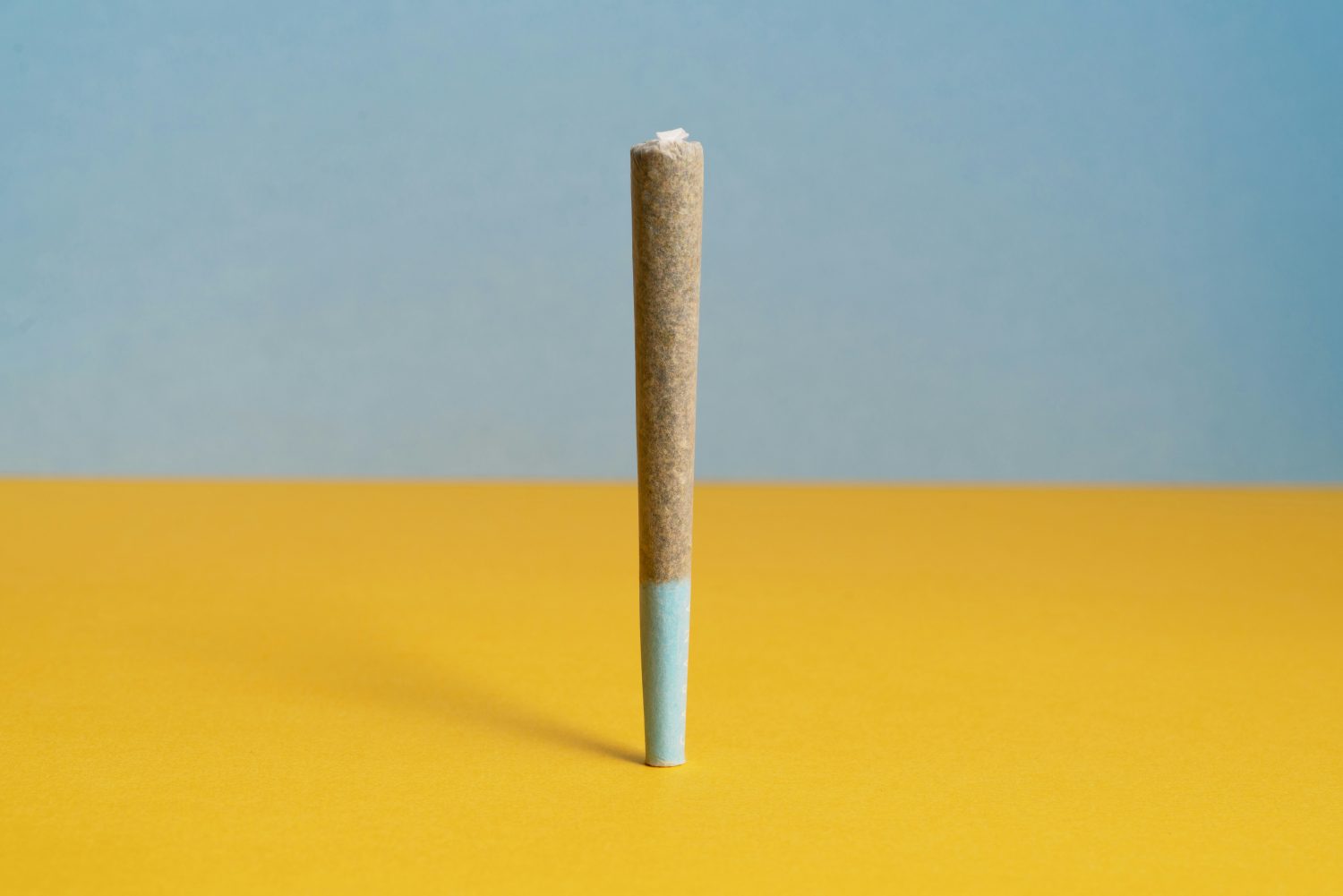
On May 22, 2026, the WNBA and its players officially ratified a new Collective Bargaining Agreement that removed marijuana from the league’s banned substances list, marking another significant moment in the evolving relationship between professional sports and cannabis.
The relationship between professional sports and cannabis has changed dramatically over the past decade. What was once treated as a disciplinary issue is increasingly being viewed through the lens of athlete wellness, recovery, and modern science.
The latest milestone arrived with the WNBA’s new 2026 Collective Bargaining Agreement, which officially removes marijuana from the league’s prohibited substances list, bringing women’s professional basketball in line with a growing number of major North American sports organizations that have moved away from punishing cannabis use.
The decision comes during one of the most complicated periods in cannabis policy nationwide. While professional leagues continue relaxing restrictions on marijuana, federal regulators are simultaneously battling over the future of intoxicating hemp-derived cannabinoids, including THCA flower, Delta-8 THC, and other hemp products that have exploded across the United States since passage of the 2018 Farm Bill. The result is an unusual contrast: athletes now face fewer cannabis-related penalties than many hemp businesses face regulatory uncertainty.
For the cannabis industry, the WNBA’s policy shift represents another sign that mainstream institutions are continuing to normalize cannabis despite ongoing political and legal debates.
The WNBA’s New Cannabis Policy
The WNBA’s newly executed 2026 Collective Bargaining Agreement officially removes marijuana from its prohibited substances list for standard league drug testing. Rather than treating cannabis as a substance warranting automatic disciplinary action, the league has shifted toward a workplace model focused on player health, safety, and responsible conduct.
Under the updated framework, players are no longer subject to suspensions simply for cannabis use. Instead, the league maintains provisions allowing intervention if a player is impaired during team activities or voluntarily seeks assistance through wellness programs. The policy resembles how many professional organizations address alcohol rather than illegal drug use.
The agreement also establishes guidelines surrounding player endorsements involving hemp-derived CBD products and cannabis-related business opportunities, recognizing that cannabis has become a legitimate commercial industry rather than simply a prohibited substance.
The WNBA Joins a Growing Trend Across Professional Sports
The WNBA is far from alone. The NBA officially removed marijuana from its banned substances list when its current collective bargaining agreement was ratified in 2023 after suspending testing during the COVID-19 pandemic. The agreement also allows players to invest in and promote approved cannabis businesses under league guidelines, marking one of the most progressive cannabis policies in major American sports.
The NFL has also dramatically softened its approach. While the league still maintains certain THC testing parameters during limited periods, players are no longer suspended solely for positive marijuana tests. The allowable THC threshold has increased substantially, with the league placing greater emphasis on treatment and education instead of punishment.
Outside traditional team sports, organizations including the NCAA, UFC, and several state athletic commissions have similarly reduced or eliminated cannabis penalties over the past several years. The overall trend is unmistakable: professional sports increasingly view cannabis differently than they did even five years ago.
Why Athletes Have Pushed For Reform
One reason leagues have reconsidered cannabis policies is the growing conversation surrounding recovery.
Athletes have publicly discussed using cannabis or hemp-derived CBD products for post-game soreness, inflammation, sleep quality, stress management, and recovery from demanding travel schedules. Although research continues to evolve and cannabis is not approved to treat or cure medical conditions without FDA approval, many athletes have advocated for replacing or reducing reliance on prescription pain medications.
Several retired professional athletes have also launched cannabis companies or invested in hemp businesses after their playing careers ended, helping normalize the conversation across sports.
Rather than ignoring cannabis use, leagues increasingly appear focused on ensuring responsible use while maintaining standards for player safety during competition and team activities.
The Hemp Industry Faces a Very Different Reality
Ironically, while sports leagues continue moving toward cannabis acceptance, hemp businesses face one of their most uncertain regulatory periods since federal legalization.
The federal debate currently centers around intoxicating hemp-derived cannabinoids produced under the 2018 Farm Bill. That legislation legalized hemp containing less than 0.3% Delta-9 THC by dry weight, but it unintentionally created a marketplace for products containing THCA, Delta-8 THC, Delta-10 THC, THC-P, HHC, and numerous other cannabinoids.
THCA has become particularly controversial because it naturally converts into Delta-9 THC when heated. Although raw THCA flower can technically comply with federal hemp definitions before combustion, critics argue consumers are effectively purchasing legal marijuana through a regulatory loophole.
Federal lawmakers continue debating whether those products should remain legal under hemp regulations or become regulated alongside state-licensed cannabis markets. Several legislative proposals have sought to redefine hemp in ways that would effectively eliminate many intoxicating hemp products currently sold nationwide, though no final nationwide resolution has yet been enacted.
State Laws Continue To Differ
Complicating matters even further, cannabis laws remain dramatically different from state to state.
Some states have embraced regulated hemp-derived THC products alongside adult-use cannabis markets. Others have prohibited intoxicating hemp products entirely. Several states allow THCA flower while neighboring states ban it outright.
Consumers frequently assume products sold online are automatically legal everywhere, but that isn’t always the case. Shipping restrictions, local enforcement, and changing state regulations continue creating confusion for retailers and consumers alike.
Professional athletes traveling across multiple states during a season must also navigate differing state cannabis laws despite relaxed league policies.
What This Means For Cannabis Businesses
The WNBA’s policy change reflects another important cultural shift for cannabis companies.
As professional sports continue accepting cannabis use among athletes, cannabis brands gain additional credibility with mainstream audiences. Athlete partnerships, hemp-CBD sponsorships, wellness collaborations, and educational campaigns may continue expanding as leagues establish clearer endorsement rules.
At the same time, businesses operating in the hemp-derived THC space must remain aware that federal regulations remain unsettled. Companies selling THCA flower or intoxicating hemp products continue operating in a rapidly changing legal environment where federal or state policy changes could significantly reshape the marketplace.
That uncertainty makes compliance, third-party lab testing, transparent labeling, and state-specific legal guidance more important than ever.
A Sign Of Where Sports Are Headed
Professional sports have gradually shifted away from viewing cannabis as a disciplinary issue and toward treating it similarly to other legal adult products, emphasizing responsible use rather than automatic punishment. The NBA, NFL, UFC, NCAA, and now the WNBA all reflect that broader evolution.
Meanwhile, lawmakers continue wrestling with how hemp-derived cannabinoids should be regulated outside traditional state cannabis systems. Those two developments illustrate the current reality of cannabis in America: acceptance is expanding across mainstream institutions even as the legal framework surrounding hemp products remains far from settled.
For athletes, cannabis businesses, and consumers alike, the conversation has clearly moved beyond prohibition. The next chapter will likely focus less on whether cannabis belongs in sports and more on how regulators, leagues, and lawmakers create consistent rules for an industry that continues growing faster than the laws governing it.
–
Looking for more updates? Subscribe to the official RespectMyRegion.com newsletter.