Sponsored Content Disclosure: This article was created in partnership with DM Injury Law. Compensation was provided for publication. References to legal topics and resources are included as part of this partnership. This article is intended for informational purposes only and should not be considered legal advice.
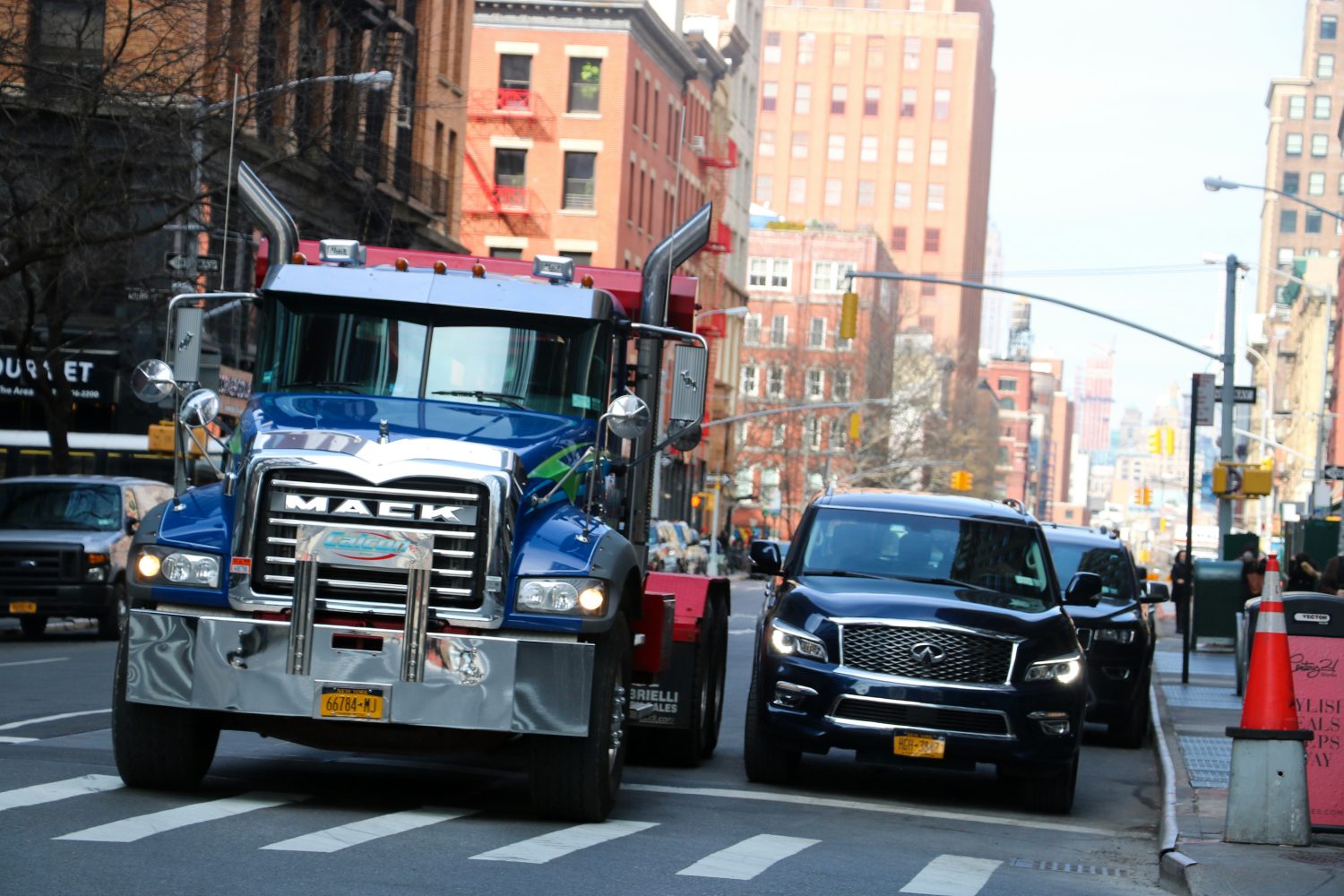
Walking through a crowded entertainment district can feel energizing, but it often comes with a familiar problem: it doesn’t always feel safe. Pedestrian injuries continue to occur in busy urban environments each year, particularly in areas with heavy vehicle and foot traffic. Fast-moving traffic, constant distractions, and unpredictable crowds all collide in the same space, creating moments where one wrong move can change everything.
The Challenges of Pedestrian Safety in Busy Areas
Active neighborhoods attract people for good reasons, but all that movement increases the chances of dangerous situations on the road. Drivers may feel overwhelmed by the dense environment, while pedestrians often make quick decisions just to navigate the crowd. These patterns add up to more close calls and, unfortunately, more accidents.
When people think about the most accident-prone areas, they tend to imagine highways, yet busy walkable districts come with their own challenges. Crowded sidewalks, unpredictable foot traffic, and constant distractions create conditions where safety can quickly slip away.
Key Situations That Increase Risk
Crowded entertainment districts come with hazards that people might not always consider.
- Limited visibility at night
- Distracted drivers navigating unfamiliar streets
- Pedestrians stepping into the road between vehicles
How Nightlife and Distractions Affect Pedestrian Safety
Once the sun sets, the risks shift. Low-light conditions make it harder for drivers to see people walking, and colorful signs and nightlife distractions can draw attention away from the road. Pedestrians may feel more relaxed or distracted on a night out, which can lead to risky decisions, such as crossing outside marked areas.
Drivers juggling navigation apps, rideshare pick-ups, or loud groups on sidewalks may miss a person in their path. These aren’t isolated issues; they happen every night in vibrant city districts. That’s why understanding how nighttime activity influences safety can encourage smarter choices for everyone.
Factors That Shape Safety After Dark
People walking at night face different challenges than they do during the day.
- Higher reliance on artificial lighting
- More impaired driving and walking
- Increased distractions from nightlife activity
What to Consider After a Pedestrian Collision
Recovering from a pedestrian accident brings physical, financial, and emotional stress. Medical care, time away from work, and long-term healing often feel overwhelming when you’re trying to understand what comes next.
Once immediate medical needs have been addressed, it’s often helpful to gather reliable information about the recovery process and the practical steps that may follow. This can include understanding insurance procedures, keeping records of medical expenses, and learning about your legal rights. For example, resources such as DM Injury Law pedestrian claims can provide general information about pedestrian injury claims, the legal process, and factors that may affect available legal options.
Evaluating the impact of an accident takes time, especially when someone is dealing with injuries. Keeping records related to medical treatment, expenses, and the circumstances surrounding an incident may be helpful when discussing the situation with healthcare providers, insurers, or legal professionals.
How Community Design Shapes Safer Walking Environments
Urban design plays a major role in how safe people feel while walking through active neighborhoods. Features like wider sidewalks, raised crosswalks, and clearly marked pedestrian zones help guide the flow of foot traffic and reduce confusion for both drivers and pedestrians. These improvements create spaces where people can move confidently without constantly navigating around vehicles.
Local initiatives such as improved lighting, public seating, and slower speed zones also encourage safer behavior. When communities invest in thoughtful design, they build environments that support walkability while reducing the likelihood of collisions in the busiest parts of town.
Moving Forward With Awareness
Pedestrian safety in active neighborhoods depends on everyone making thoughtful choices, whether they’re behind the wheel or on foot. Staying alert and understanding the risks helps keep these vibrant spaces enjoyable for everyone who visits or lives there.
If you’ve been affected by a pedestrian accident or want a clearer sense of your options, speaking with a qualified legal professional may help you better understand your options based on your individual circumstances.
Your safety matters, and taking the next step toward support can make a meaningful difference.
–
For more updates on injury law and other law services, subscribe to the official RespectMyRegion.com newsletter at our home page.
–
Last Updated: June 2026
–
Legal Disclaimer: This article is provided for informational and educational purposes only and should not be interpreted as legal advice or as creating an attorney-client relationship. Every legal matter is unique, and laws vary by jurisdiction. Readers should consult a qualified attorney regarding their specific situation.
Medical Disclaimer: This content is not intended to provide medical advice. Anyone experiencing injuries should seek evaluation and treatment from a qualified healthcare professional or emergency medical provider.
Attorney Advertising: This article contains sponsored content provided in partnership with DM Injury Law. Prior results do not guarantee a similar outcome. Hiring an attorney is an important decision that should not be based solely on advertisements.
Editorial Note: Laws, regulations, and insurance procedures may change over time. Readers should verify current legal requirements and procedures applicable to their jurisdiction.
–
Sources
- National Highway Traffic Safety Administration — Pedestrian safety statistics, crash trends, and safety guidance.
- Centers for Disease Control and Prevention — Information on pedestrian injuries, prevention, and public health.
- Federal Highway Administration — Resources on pedestrian infrastructure, roadway design, and walkability.