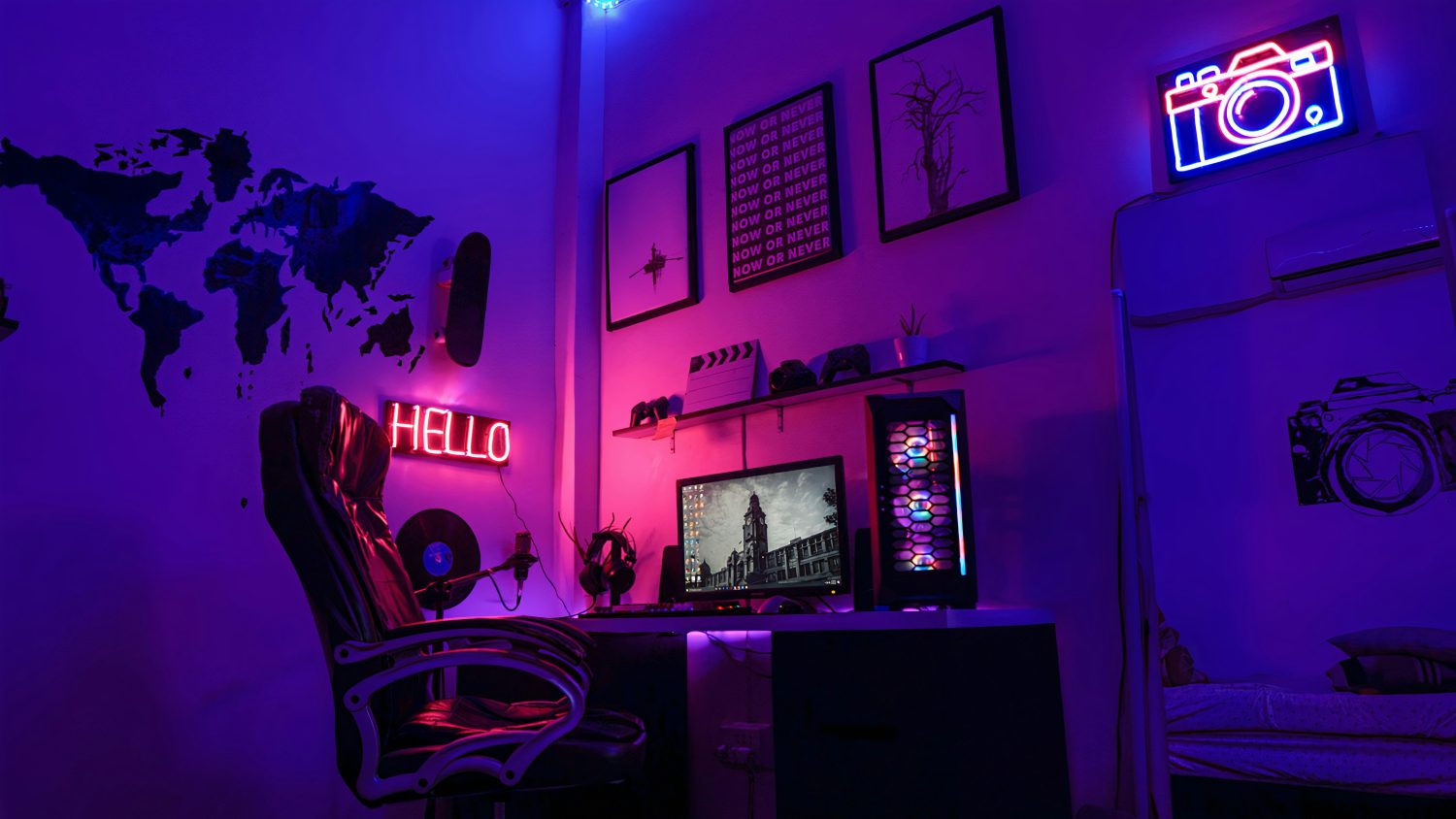
Your mixes sound flat, your back hurts after an hour, and the room feels either too hot or too stuffy… Comfort is not a luxury in a creative space. It directly affects how long you can stay locked in. The perfect home studio setup for comfort and productivity is about controlling your environment so your creativity can take center stage.
Start with a space that feels separate from daily distractions. Even a small spare room works better than a corner of the living room.
Choose a Dedicated Room and Define the Layout
Research published by MDPI shows that indoor environmental quality shapes how people experience comfort and performance at home. When your studio feels intentional and organized, your brain shifts into creative mode faster.
In your home studio, keep your desk centered, monitors positioned evenly, and gear within easy reach. Also, clear pathways reduce clutter and mental friction.
Control Temperature and Airflow for Long Sessions
Creative sessions often run for hours. A room that overheats from computers, monitors, and recording equipment can quickly become uncomfortable and distracting. Traditional central HVAC systems may also struggle to maintain consistent temperatures in smaller studio spaces, converted garages, or home additions used for music production.
Upgrade Your Ergonomics to Enhance Your Focus
Long editing or mixing sessions can punish your body. Neck strain and lower back pain can slowly chip away at concentration. When your chair supports your spine and your monitor sits at eye level, physical tension decreases and creative flow lasts longer.
Choose an adjustable chair with solid lumbar support. And keep your keyboard and MIDI controllers close enough to avoid leaning forward. Physical comfort protects mental clarity.
Improve Acoustics and Reduce Outside Noise
Sound quality defines a studio. Poor acoustics or outside noise can ruin recordings and make critical listening harder. A room with controlled reflections and minimal outside interference allows you to trust what you hear.
Install acoustic panels at reflection points. And seal gaps around doors and windows to limit street noise. Cleaner sound leads to better creative decisions.
Design Lighting That Supports Energy and Mood
Lighting affects how your studio feels during long sessions. Harsh lighting causes eye strain, while dim rooms reduce alertness.
Place your desk near natural light if possible, but avoid direct glare on screens. Combine soft overhead lighting with focused task lighting for balance.
Layered lighting keeps your energy steady whether you are tracking vocals or fine-tuning a mix late at night.
Creating a Home Studio That Fuels Creativity
The best home studio setup for comfort and productivity supports your body, your ears, and your focus. Temperature control, clean airflow, ergonomic support, sound treatment, and thoughtful lighting all work together to create a space that feels stable and inspiring.
–
Editorial Note:
This article is intended for informational and editorial purposes only. Product performance, comfort levels, and environmental preferences may vary depending on individual setups and room conditions.