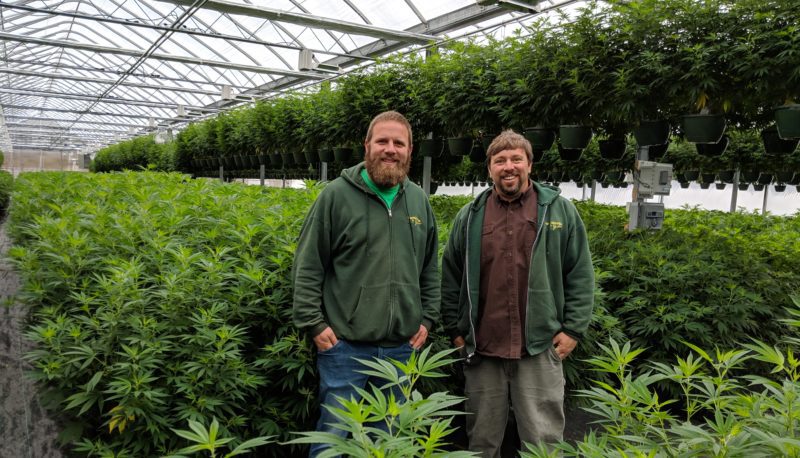
New York cannabis doesn’t need more generic brands. It needs operators with roots, structure, and actual stories behind the labels. When Pete Shafer, one of the two brothers who co founded and runs Nanticoke, joined us on the Respect My Region New York Cannabis Edition podcast, the conversation didn’t start with THC percentages or hype drops. It started with farming.
Before weed, Nanticoke Gardens was a legitimate agricultural business in Endicott, New York. They grew plants. Trees. Fruits. Supplied nutrients. Served their community as a working farm and horticulture operation.
When New York opened the door for adult use cannabis, they didn’t invent a flashy persona. They transitioned the farm into cannabis and kept the name. That tells you everything about the foundation.
Pete made it clear on the podcast that the move into marijuana wasn’t about chasing a trend. It was about adapting a family farm business into a newly legal agricultural category.
Weed is a plant. The operators who respect that tend to build stronger systems. The ones who treat it purely as branding tend to struggle with consistency.
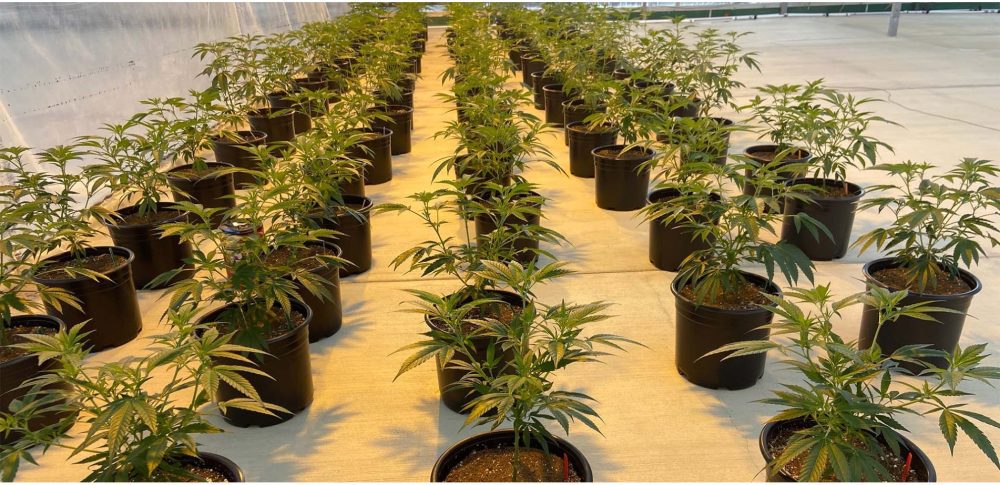
Nanticoke secured its cultivation license in 2022, later expanded into processing, and built operational control instead of outsourcing their identity. But what really separates them is the portfolio strategy.
The Nanticoke Portfolio: Built With Intention
Under the Nanticoke umbrella, you’ll find their brand, Nanticoke, along with six others:
Nanticoke
Alibi Cannabis
Gentleman Smugglers
5Boro
Back Home Farm
OHHO
Ready 2 Roll
Each brand serves a purpose. And they’re not all homegrown vanity projects.
Let’s start with Alibi Cannabis, because this is the group who introduced us to Nanticoke.
Alibi Cannabis is not just any weed brand. Alibi was founded by Marianne Cursetjee, a respected, woman owned cannabis operator out of Oregon. Marianne has been a serious presence in the cannabis industry long before many markets went adult use.
By bringing Alibi into the New York portfolio, Nanticoke didn’t just slap a label on a jar. They aligned with a woman-owned, intentionally crafted brand that already has a legacy, leadership, and standards attached to it. Pre-rolled joints and a select offering of vapes are available across New York.
Gentleman Smugglers: A Brand With a Legacy Story
Now let’s talk about Gentleman Smugglers. This isn’t a random name pulled from a branding agency.
The story behind Gentleman Smugglers connects to New York’s deep history of underground trade, bootlegging, and the culture that shaped prohibition eras. It taps into the heritage of people who moved product quietly, intelligently, and with style long before legalization.
That narrative fits New York. It speaks to legacy culture without trying too hard.
It respects the fact that cannabis in this state didn’t start in a licensed greenhouse. It existed long before regulators caught up.
Pete referenced the importance of story and identity during our conversation. Gentleman Smugglers isn’t glorifying the past recklessly, it’s acknowledging it.
5Boro: Built for the City
5Boro is clearly targeted toward New York City consumers. The name alone anchors it in identity. It speaks directly to the five boroughs, to urban culture, to a demographic that sees cannabis differently than upstate rural markets.
Instead of forcing Nanticoke’s farm story into city branding, they created a lane that resonates with NYC specifically. That’s strategic segmentation.
Back Home Farm: Honoring the Origin
Back Home Farm feels like a bridge between the old business and the new. It reinforces agricultural identity. It reminds consumers that this portfolio didn’t appear out of nowhere. It evolved from a real farm. In a market full of trendy names, that grounded branding stands out.
Partnerships with a farm like Back Home Farm are crucial to supply chain consistency and product diversity.
OHHO: Lifestyle Positioning
OHHO gives the portfolio room to explore a more modern, lifestyle driven aesthetic. Every portfolio needs elasticity. Not every product line should feel identical. They offer prerolls and gummies that are strategically curaed and crafted for people looking to integrate cannabis into their lifestyle.
OHHO allows them to move in that lane without compromising the core Nanticoke identity.
Ready 2 Roll: Built for New York Consumption Habits
New York is a pre roll market. Apartment living. Quick sessions. On the move culture. Ready 2 Roll exists because Nanticoke understands that reality. Instead of loading the flagship brand with convenience SKUs, they created a dedicated brand for that consumer segment.
On the podcast, Pete didn’t talk about building a “craft” brand. He talked about building something durable. The multi brand structure allows Nanticoke to serve multiple demographics, compete across price tiers, respect brand identity boundaries, and maintain operational control to do what they’re best at, growing weed and manufacturing products.
And because they control cultivation and processing, they can maintain consistency across all of it. That’s the difference between branding and infrastructure.
This company started as a farm in Endicott, New York. Today, it operates as a vertically integrated cannabis business with a diversified portfolio that respects agriculture, honors story, collaborates with established leaders inside and outside of the New York market.
If you want to understand how a legacy farm business transitioned into the weed industry without losing its identity, watch the full Respect My Region New York Cannabis Edition episode with Pete.
And if you see Nanticoke, Alibi Cannabis, Gentleman Smugglers, 5Boro, Back Home Farm, OhHo, or Ready 2 Roll on a New York dispensary shelf, understand something.
There’s structure behind that label. There’s story behind that name.
And that’s what New York needs more of.
For more information on Nanticoke or their portfolio of brands, visit their official website here.