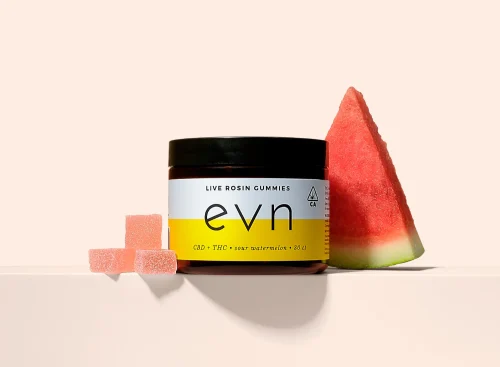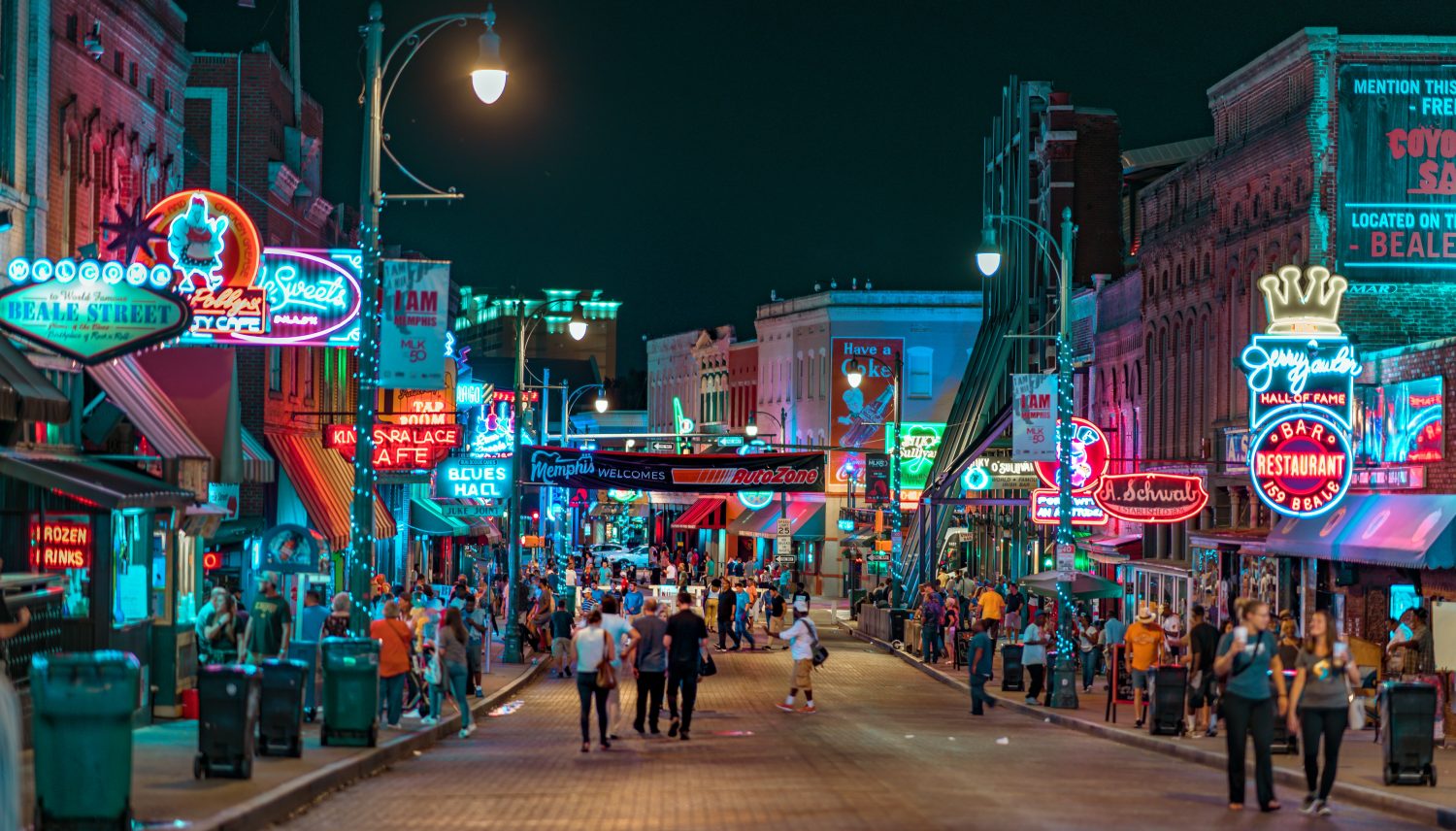
Tennessee has become one of the most confusing states in the country when it comes to weed. Walk through Nashville, Memphis, or Knoxville and you’ll see hemp shops everywhere. THC drinks on menus. Flower behind glass. Edibles stacked like candy. From the outside, it looks like legalization already happened.
It didn’t.
Despite how normalized cannabis-adjacent products have become across the state, marijuana itself remains illegal in Tennessee. There’s no recreational market, no true medical dispensary system, and no decriminalization safety net quietly protecting consumers.
What the state did do heading into 2026 was clamp down on the hemp-derived cannabinoid market that had been operating in a legal gray zone for years. That move has added even more confusion for consumers who assumed availability meant acceptance.
This is where TN actually stands in 2026, what changed with the state’s new hemp rules, and why legalization still feels farther away here than in most of the country.
The short answer most people don’t want to hear
Recreational marijuana is illegal in Tennessee. There is still no functional medical marijuana program.
What exists instead is a narrow cannabis oil exception and a tightly regulated hemp-derived cannabinoid market that the state has made clear it intends to control, not expand.
If you’re waiting for Tennessee to quietly flip the switch on legal weed, that moment hasn’t arrived.
Marijuana law in Tennessee hasn’t softened
Tennessee continues to treat marijuana as a controlled substance under state law. Possession, sale, and distribution of traditional cannabis remain criminal offenses, and the state has not followed the decriminalization path taken by many others.
There’s no statewide ticket system. No possession threshold carved out for personal use. No adult-use framework hiding behind “local control.” The law is still the law, even if the culture around cannabis has shifted.
That disconnect between visibility and legality is exactly why so many people misunderstand Tennessee’s cannabis reality.
What Tennessee did change heading into 2026
Instead of legalizing marijuana, Tennessee focused on restructuring its hemp-derived cannabinoid market. Lawmakers targeted products that were pushing the limits of federal hemp definitions, especially THCa flower and high-potency delta variants that consumers treated like legal weed.
The new framework tightened product thresholds, formalized licensing, and expanded enforcement authority. The goal wasn’t to legitimize weed. It was to shrink the gray area.
For consumers, that means fewer loopholes and more restrictions.
For retailers, it means compliance matters more than ever.
For the state, it signals a clear preference for regulation over reform.
The THCa illusion finally meets resistance
THCa became popular in Tennessee because it looked, smelled, and smoked like marijuana while technically fitting inside hemp definitions on paper. Everyone involved knew what it was doing. The state did too.
Rather than embrace that momentum, Tennessee chose to limit it. By tying legality to THCa concentration and total THC calculations, lawmakers effectively cut off the most weed-adjacent products that had been thriving in the retail market.
The message was subtle but firm: if it walks like weed and smokes like weed, Tennessee isn’t interested in pretending it’s something else.
Medical marijuana, in name only
Tennessee still does not operate a medical marijuana program in any meaningful sense. There are no dispensaries. No patient cards issued by the state. No regulated cultivation or retail infrastructure.
What exists is a narrow exception for low-THC cannabis oil under specific circumstances. It’s not a system patients can rely on, and it’s not comparable to medical programs in states that have embraced cannabis as healthcare.
Lawmakers introduce medical cannabis bills almost every session. Few move far. None have crossed the finish line.
Why Tennessee continues to lag behind
This isn’t about public awareness. It’s about political posture.
Tennessee has shown a consistent pattern: restrict first, regulate second, and delay legalization as long as possible. Even as surrounding states move forward, Tennessee has positioned itself as a holdout that prefers control over compromise.
The hemp crackdown heading into 2026 fits that pattern perfectly. When faced with widespread access, the state didn’t lean in. It pulled back.
The reality for consumers in 2026
People will still buy cannabinoid products in Tennessee. Hemp shops won’t disappear overnight. Drinks, edibles, and flower will continue to exist in some form.
But none of that equals marijuana legalization.
Traditional weed still carries legal risk. The gray areas are narrower. And the idea that Tennessee is “basically legal now” doesn’t hold up once you look past the storefronts.
When could Tennessee actually legalize weed?
There’s no date circled on the calendar.
If legalization happens, it will likely follow one of three paths:
• a true medical program that finally gets political backing
• federal reform that forces the issue
• economic pressure from neighboring states that becomes impossible to ignore
For now, Tennessee looks more like a follower than a leader.
Tennessee didn’t legalize weed. It legalized regulation.
The state’s 2026 posture makes one thing clear: access without approval was never the end goal. Control was.
Until that mindset changes, marijuana legalization in Tennessee will remain something people assume is coming, without actually arriving.