Caitlin Clark once again found herself at the center of one of the WNBA’s biggest storylines this week after receiving a technical foul during Indiana’s matchup against the Phoenix Mercury. The conversation intensifies after Clark was assessed her fifth technical foul of the season during a heated fourth-quarter exchange with former teammate and veteran DeWanna Bonner.
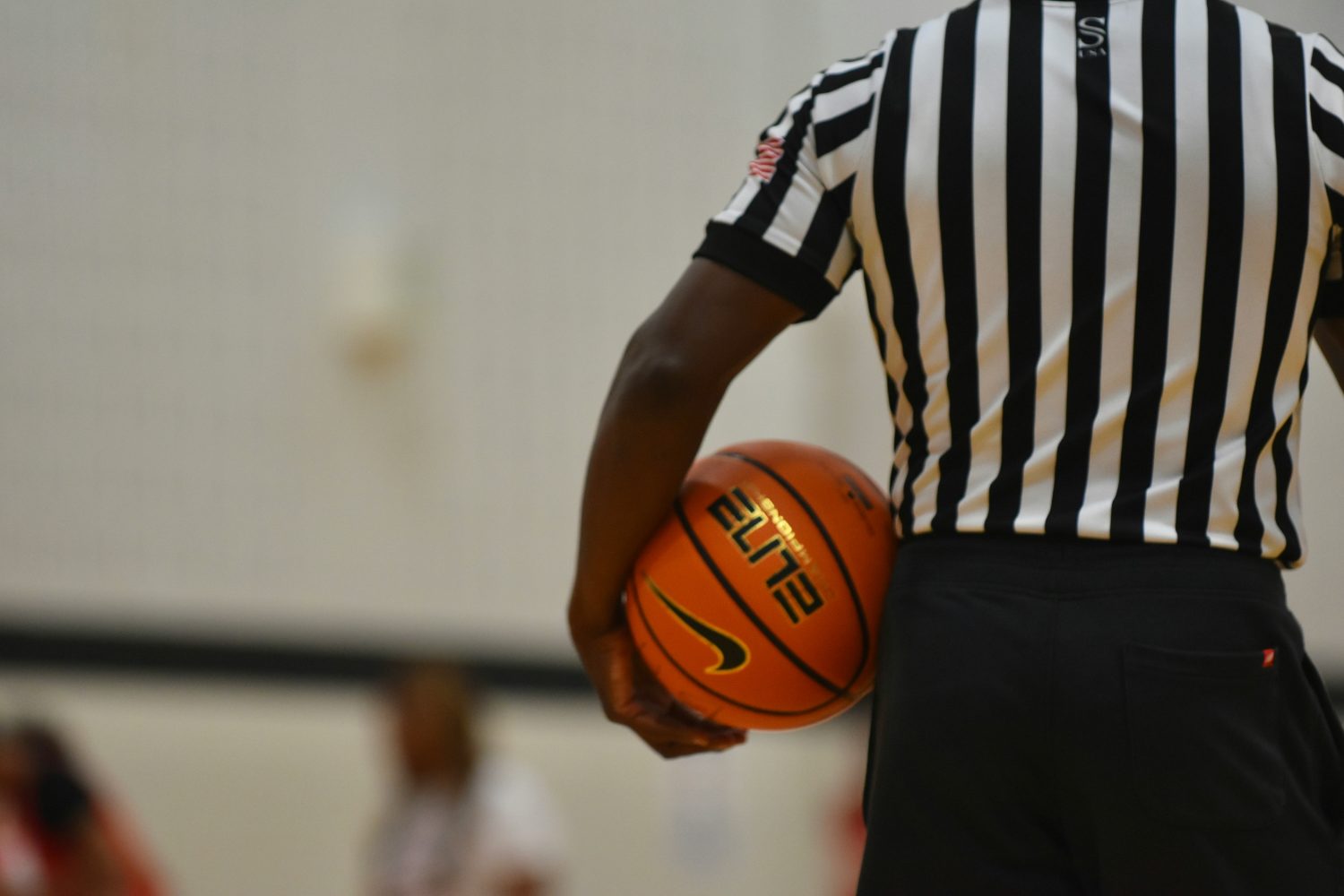
The altercation quickly escalated into a multi-player confrontation and reignited ongoing discussions surrounding officiating consistency, player safety, and the physical style of defense Clark has faced throughout her WNBA career.
Reactions across the basketball world were immediate and divided.
Some current and former players, including Sophie Cunningham, argued that officials need to do a better job protecting the league’s stars from excessive physical contact, pointing to several recent incidents involving Clark as evidence that the line between aggressive defense and unnecessary contact has become increasingly blurred.
Others viewed the situation differently, suggesting Clark’s growing technical foul total reflects mounting frustration and emotional reactions during highly competitive games.
Critics have argued that as one of the league’s biggest stars, Clark will continue facing intense defensive attention and must find ways to navigate those situations without putting herself at risk of additional penalties.
The debate also carries potential consequences beyond public perception. Under WNBA rules, players receive an automatic one-game suspension after accumulating eight technical fouls during the regular season. With five technical fouls already assessed, Clark is now approaching that threshold as the Fever continue their push through the heart of the schedule.
Every hard foul, every whistle, every postgame comment, and every emotional reaction is scrutinized in ways few athletes experience. Whether fans support Clark or criticize her, there is no denying that she remains one of the most discussed players in professional sports.
The conversation also arrives during a period of unprecedented growth for the WNBA. Television ratings continue to increase, arenas are selling out across the country, and new fans are discovering the league through stars such as Clark, Angel Reese, A’ja Wilson, Sabrina Ionescu, Breanna Stewart, and Napheesa Collier. As the spotlight grows brighter, so does the attention surrounding controversial moments.
Why These Technical Fouls Are Becoming A National Story
Technical fouls happen throughout basketball every single night. Players disagree with calls. Coaches become frustrated. Emotions rise during competitive games. Under normal circumstances, many technical fouls barely survive a single news cycle before fans move on to the next game.
That is not the reality when Caitlin Clark is involved.
Since entering the WNBA, Clark has become the league’s most visible player and one of the most recognizable athletes in North American sports. Fever games routinely generate television audiences that rival major sporting events, and social media conversations involving Clark regularly extend far beyond traditional basketball circles.
Because of that visibility, moments that might otherwise be considered routine quickly become headline stories. The technical foul became less about the specific whistle and more about broader conversations surrounding how officials handle the league’s biggest star.
Supporters argued Clark’s frustration was understandable given the physical nature of the game. Others maintained that officials simply enforced league rules as they are written. The disagreement fueled another round of debate across social media platforms and sports talk shows.
Physical Play Has Followed Clark Since Her WNBA Debut
One of the most consistent storylines surrounding Clark’s rookie and sophomore seasons has been the physical nature of the defense she faces.
Opponents understand that limiting Clark often starts with disrupting her rhythm. Defenders pick her up early, fight through screens aggressively, and challenge her on nearly every possession. The strategy is not unique. Throughout basketball history, elite scorers and elite playmakers have frequently been targeted with physical defensive approaches designed to make every possession more difficult.
What makes Clark’s situation different is the amount of attention surrounding every interaction.
Hard fouls become national headlines. Technical fouls generate millions of impressions online. Even routine defensive possessions can become talking points depending on who is involved.
The reality is that Clark’s presence has elevated interest in the WNBA to levels the league has rarely experienced. With that increased attention comes increased scrutiny of every aspect of the game, including officiating.
Officiating Is Becoming A Bigger Topic Across The WNBA
As leagues grow, conversations about officiating tend to grow with them.
The NFL constantly debates penalties. The NBA frequently faces criticism regarding officiating consistency. Major League Baseball continues discussing umpire performance and the future of automated strike zones.
The WNBA is now entering that same territory.
More viewers mean more opinions. More media coverage means more analysis. More national attention means controversial calls receive greater examination than ever before.
In many ways, the discussions surrounding Clark’s technical foul are a reflection of the league’s broader growth. Fans are watching more games. Journalists are covering more stories. Casual viewers are becoming invested in outcomes.
That level of engagement is ultimately a positive sign for the sport, even when the conversations become heated.
Caitlin Clark Remains One Of The Most Influential Athletes In Sports
Regardless of where fans stand on the officiating debate, one fact remains impossible to ignore.
Caitlin Clark has become one of the most influential athletes in basketball.
Her arrival has helped drive television ratings, merchandise sales, ticket demand, and media attention across the WNBA. The impact extends beyond Indiana and beyond the league itself. Clark has become one of the most recognizable athletes in American sports, helping introduce millions of new fans to women’s basketball.
That level of influence creates opportunities and challenges.
It creates larger audiences and increased visibility. It also guarantees that every controversial moment receives enormous attention. Technical fouls that would normally be forgotten become national discussions because Clark’s presence amplifies everything around her.
The technical foul itself will eventually fade from headlines.
The larger conversation surrounding officiating, physical play, and the treatment of star players will continue. As long as Caitlin Clark remains one of the biggest names in basketball, moments like this will remain part of the discussion surrounding both her career and the future growth of the WNBA.
–
For more updates on Caitlin Clark and WNBA news, subscribe to the official RespectMyRegion.com newsletter.
Sources:
WNBA game reports, ESPN coverage, Indiana Fever postgame reporting, league statistics and national media coverage regarding Caitlin Clark and WNBA officiating discussions.