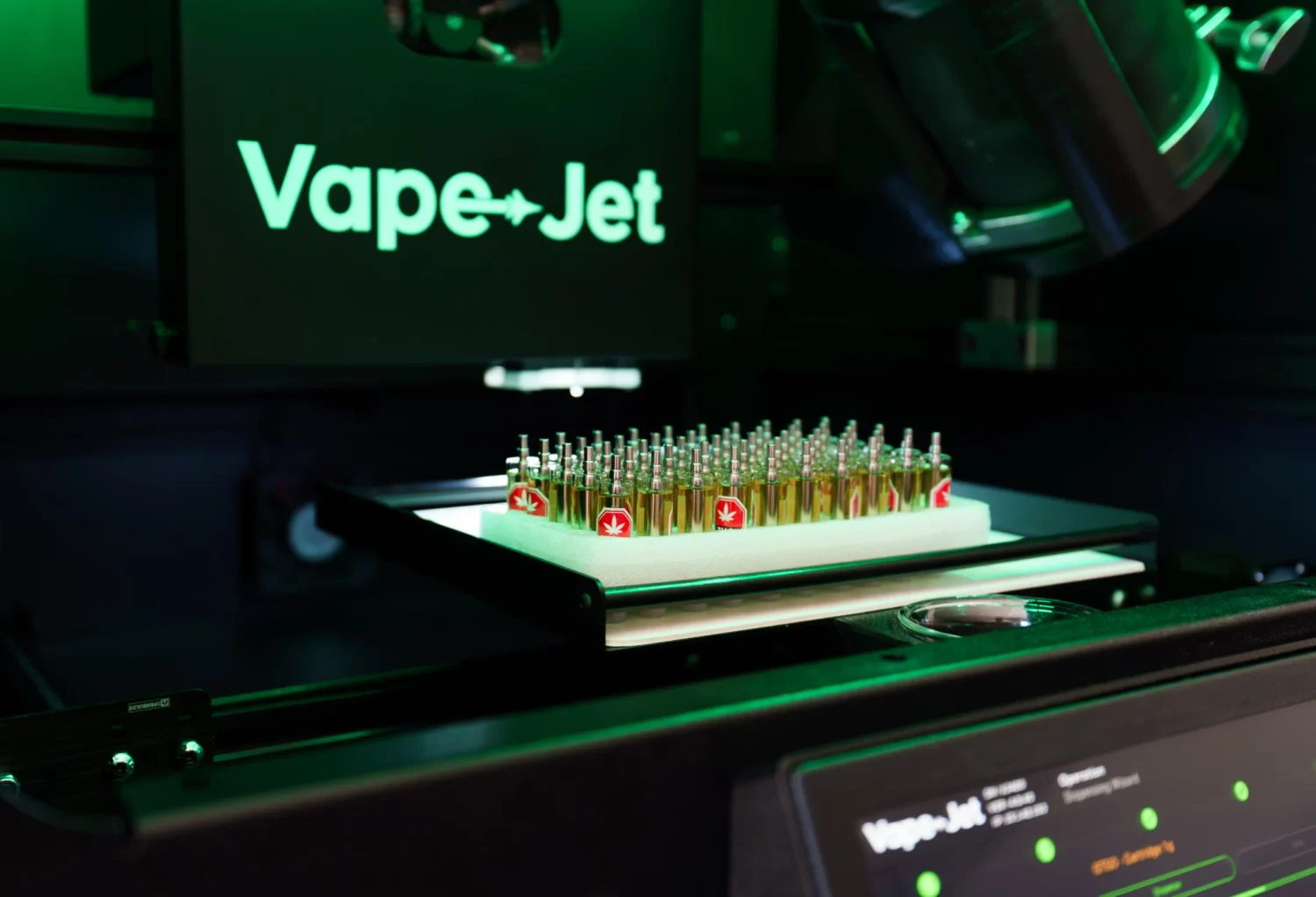
This article is sponsored by Vape Jet. Compensation was provided for the creation of this content.
The best automatic vape cartridge filling machines help brands scale without losing consistency, keep dosing accurate, and reduce the kind of labor bottlenecks that slow everything down. For cannabis producers operating in regulated markets, that reliability matters even more.
There are a lot of machines out there claiming to solve these problems. Some do a decent job. Others actually deliver at the level modern cannabis and hemp brands need. Below are five of the best automatic vape cartridge filling machines on the market right now, starting with the one that continues to set the standard.
Best Automatic Vape Cartridge Filling Machines Overview
| Machine | AutomationLevel | BestFor | ProductionScale | KeyStrength |
|---|---|---|---|---|
| Vape Jet 4.0 | Fully automated | High-volume cannabis & hemp producers | Large-scale, continuous runs | Precision dosing and high throughput |
| Thompson Duke IZR | Fully automated (piston-based) | Established operations with thick oils | Medium to large-scale production | Accuracy with high-viscosity oils |
| STM RocketFuel | Fully automated (line-integrated) | Facilities with standardized SKUs | Large-scale, repeat runs | Line integration and efficiency |
| iFill Cartridge Filler | Entry-level automated | New or growing brands | Small-scale production | Ease of use and accessibility |
1. Vape Jet 4.0
The Vape Jet 4.0 earns the top spot for automatic vape cartridge filling machines because it was built specifically for real-world production environments. This isn’t a machine designed in theory. It’s designed for operators who need precision, speed, and minimal downtime.
What stands out immediately is accuracy. The Vape Jet 4.0 uses advanced volumetric control to ensure each cartridge is filled evenly. That consistency protects your brand and helps you stay compliant, especially when testing tolerances are tight.
Speed is another major advantage. This machine can handle high-volume runs without forcing you to sacrifice quality. If you’ve ever had to slow down production just to avoid leaks or uneven fills, you know how valuable that is.
It’s also flexible. Different oil viscosities, various cartridge styles, and changing production demands are part of daily life in this industry. The Vape Jet 4.0 adapts without requiring constant recalibration or excessive maintenance. For brands looking to scale responsibly, Vape Jet has become a go-to name for a reason.
2. Thompson Duke IZR
The Thompson Duke IZR has built a strong reputation among established producers who want automation with a mechanical feel.
This machine focuses on precision filling using a piston-driven system. That makes it especially appealing for thicker oils and distillates that can be tricky to handle. Once dialed in, it produces consistent results batch after batch.
Where the IZR really fits best is in mid to large-scale facilities that already have structured workflows. It’s reliable, but it does require trained operators and regular upkeep. If you’re comfortable with a more hands-on approach, it can be a solid performer.
3. STM RocketFuel
STM’s RocketFuel system is designed for brands that value throughput and repeatability.
This machine is often used in production lines where cartridges are filled, capped, and packaged in a continuous flow. It handles volume well and integrates easily into larger setups. For teams focused on efficiency, that integration matters.
That said, the RocketFuel tends to favor standardized runs. If you’re constantly switching hardware types or oil formulations, setup time can add up. It’s best suited for brands with a stable product lineup and predictable demand.
4. iFill Cartridge Filler
The iFill cartridge filler is often chosen by newer brands or operations stepping up from manual processes.
It automates dosing and reduces human error, which is a big improvement over hand filling. The interface is simple, and training doesn’t take long. For teams learning how to scale, that ease of use matters.
However, output is limited compared to higher-end systems. As demand grows, many brands eventually outgrow this machine. It works best as an entry-level solution or as a backup unit in larger facilities.
What to Look for Before You Buy
Not every automatic vape cartridge filling machine is right for every operation. Before making a decision, think about where your brand is headed.
If you’re planning to scale quickly, speed and reliability should be priorities. Machines like the Vape Jet 4.0 are designed for sustained output without constant adjustment. If your product line changes frequently, flexibility becomes more important.
You should also consider support and service. Downtime can cost more than the machine itself if you’re missing production windows. Working with manufacturers that understand the industry and offer responsive support makes a real difference.
Compliance and Dosing Accuracy in Regulated Markets
In regulated cannabis and hemp markets, accuracy isn’t just a quality issue. It’s a compliance requirement. Vape cartridges are tested for potency, and even small inconsistencies can cause problems when results don’t match labeled values.
Automatic filling machines help reduce that risk by delivering repeatable, precise doses across every run. Instead of relying on operator judgment or manual timing, these systems control volume mechanically or electronically. That consistency makes it easier to pass testing and reduces the need for costly rework.
It also simplifies record keeping. When output is predictable, batch documentation becomes easier to manage. For producers dealing with audits or third-party manufacturing standards, that reliability matters more than most people expect going in.
Oil Viscosity and Hardware Compatibility
Not all vape oils behave the same way. Distillate, live resin, and rosin all flow differently, especially as temperatures change throughout the day. A machine that can’t adapt to viscosity changes quickly becomes a bottleneck.
Higher-end automatic vape cartridge filling machines are designed to handle these variations without constant adjustment. Heated lines, controlled pressure, and adaptable fill systems allow operators to maintain consistency even when switching formulations.
Hardware compatibility is just as important. Cartridge designs vary, and switching between different styles shouldn’t require a full teardown every time. Machines that support multiple cartridge types save time and reduce setup frustration, especially for brands running more than one product line.
Labor Efficiency and Operator Fatigue
Manual cartridge filling is slow, repetitive, and physically demanding. Even experienced operators struggle to maintain accuracy over long shifts. Fatigue leads to mistakes, and mistakes lead to waste.
Automation changes that dynamic. Instead of filling cartridges one by one, operators oversee the process, monitor output, and handle quality checks. That shift reduces strain and allows staff to focus on higher-value tasks.
For producers dealing with staffing challenges or high turnover, this matters more than speed alone. Machines help stabilize production by reducing dependence on manual labor, which is often the hardest variable to control.
Reducing Waste and Protecting Yield
Oil loss adds up quickly. Spills, overfills, leaks, and rejected cartridges all eat into margins. When oil prices fluctuate or supply tightens, waste becomes even more painful.
Automatic filling machines help minimize these losses. Precise dosing reduces overfills, and consistent pressure helps prevent leaks that occur when cartridges are unevenly filled. Over time, even small improvements in yield can translate into significant savings.
Producers who track waste before and after automation often find the machine pays for itself faster than expected, simply by reducing product loss.
Throughput Planning and Growth Forecasting
Choosing a machine based only on current demand can be short-sighted. Many brands experience growth spurts driven by new accounts, seasonal demand, or successful product launches.
Automatic vape cartridge filling machines allow you to plan for that growth without constantly reworking your process. Predictable throughput makes it easier to forecast inventory, schedule production runs, and meet delivery commitments.
Machines designed for sustained output also reduce stress during peak periods. Instead of scrambling to add shifts or temporary labor, you can increase production confidently, knowing quality will hold.
Maintenance, Cleaning, and Uptime
Downtime is expensive. A machine that’s difficult to clean or service can slow production just as much as manual filling.
Well-designed systems prioritize accessibility. Parts that come apart easily, clear cleaning procedures, and readily available replacement components all contribute to higher uptime. That reliability becomes especially important in regulated facilities where sanitation standards are strict.
Support also plays a role here. Manufacturers who understand the industry and provide responsive service help keep production moving when issues arise. Over the life of a machine, that support often matters more than initial specifications.
Integrating Automation Into Existing Workflows
Automatic filling machines work best when they’re part of a well-planned production line. Filling, capping, labeling, and packaging should flow naturally from one step to the next.
Producers often see the biggest gains when automation is paired with thoughtful layout changes. Even small adjustments to workstation placement can reduce handling time and improve efficiency.
Training is another factor. Machines with intuitive controls and clear operating procedures help new operators get up to speed quickly. That reduces errors and keeps production consistent across shifts.
The Bottom Line: How to Scale Without Losing Your Identity
One concern many brands have is losing the personal touch as they automate. That’s a valid worry, but it doesn’t have to be the reality.
The right equipment supports your vision instead of replacing it. Consistent fills, clean hardware, and reliable output actually strengthen your brand’s reputation. Customers notice when products perform the same every time.
Automation doesn’t mean cutting corners. It means building systems that allow you to grow without burning out your team or compromising quality.
–
Editorial Independence Disclaimer:
Sponsored content reflects the sponsor’s products and services. All opinions and descriptions are provided for informational purposes and do not constitute endorsements unless expressly stated.
No Sales or Distribution Disclaimer:
Respect My Region does not sell, distribute, or facilitate the sale of cannabis, hemp, vape products, or related equipment.
Regulatory Compliance Disclaimer:
Cannabis and hemp production equipment regulations vary by state, country, and jurisdiction. Readers are responsible for ensuring any equipment discussed complies with all applicable local, state, and federal laws.
No Professional Advice Disclaimer:
This content is provided for general informational purposes only and should not be interpreted as legal, regulatory, compliance, or operational advice. Readers should consult qualified professionals before making purchasing or production decisions.
Trademarks Disclaimer:
All product names, trademarks, and company names are the property of their respective owners and are used for identification purposes only.
Age Restriction Disclaimer:
This content is intended for adults 21 years of age or older.