This content was produced in partnership with Palazio Gentlemen’s Club.*
There’s a difference between landing somewhere and settling somewhere. Most cities catch people by accident, a job offer, a relationship, a transfer that was supposed to be temporary. Austin doesn’t work like that anymore. People talk about it before they arrive. They weigh it. They imagine a life there. And when they come, it’s usually with intent.
That shift didn’t happen overnight, and it didn’t happen by marketing. Austin earned its pull through a mix of culture, opportunity, and a particular emotional tone that’s hard to fake. The city changed dramatically, but the reasons people choose it now are deeper than trend cycles or tax headlines.
Choosing a City Is a Personal Decision Now
For a long time, cities sold themselves through scale: bigger skylines, faster growth, louder claims. Austin’s appeal runs in a different direction. It’s not about being the biggest or flashiest. It’s about alignment. People arrive already sensing that this place might fit who they are and how they want to live.
That’s why conversations about Austin rarely stay surface-level. People don’t just talk about job markets or housing trends. They talk about routines, friendships, pace, and how the city feels at 10 a.m. on a Tuesday as much as it does late at night. Over time, those everyday experiences quietly explain why this is such a desirable city, without the need for slogans or hype.
This mindset marks a cultural shift. Cities are no longer just economic platforms. They’re lifestyle choices. Austin understood that early, and leaned into it without trying too hard to explain itself.
Austin’s Growth Was Built, Not Accidental
Austin didn’t wake up one morning as a magnet. Its trajectory was shaped decades ago through decisions that favored long-term livability over short-term spectacle. The presence of a major research university created a steady flow of talent. The city invested early in music, arts, and public spaces. It stayed relatively affordable longer than peer cities, which allowed communities to form rather than churn.
The numbers confirm the scale of the change, even if they don’t explain the feeling. Over the past decade, the Austin metro area expanded by roughly one-third, making it one of the fastest-growing major metro regions in the United States. Daily population gains have consistently outpaced departures, even as costs have risen. Growth like that doesn’t happen unless a city is offering something people believe in.
What’s important is how Austin absorbed that growth. It didn’t become a monoculture. It became layered.
The Lifestyle Equation People Are Actually Choosing
Austin’s appeal isn’t built on a single feature. It’s a combination of daily experiences that stack up quietly over time. People don’t always notice it right away, but they feel it once routines settle in.
- Work tends to integrate into life rather than dominate it. Even ambitious professionals talk about flexibility as a baseline expectation.
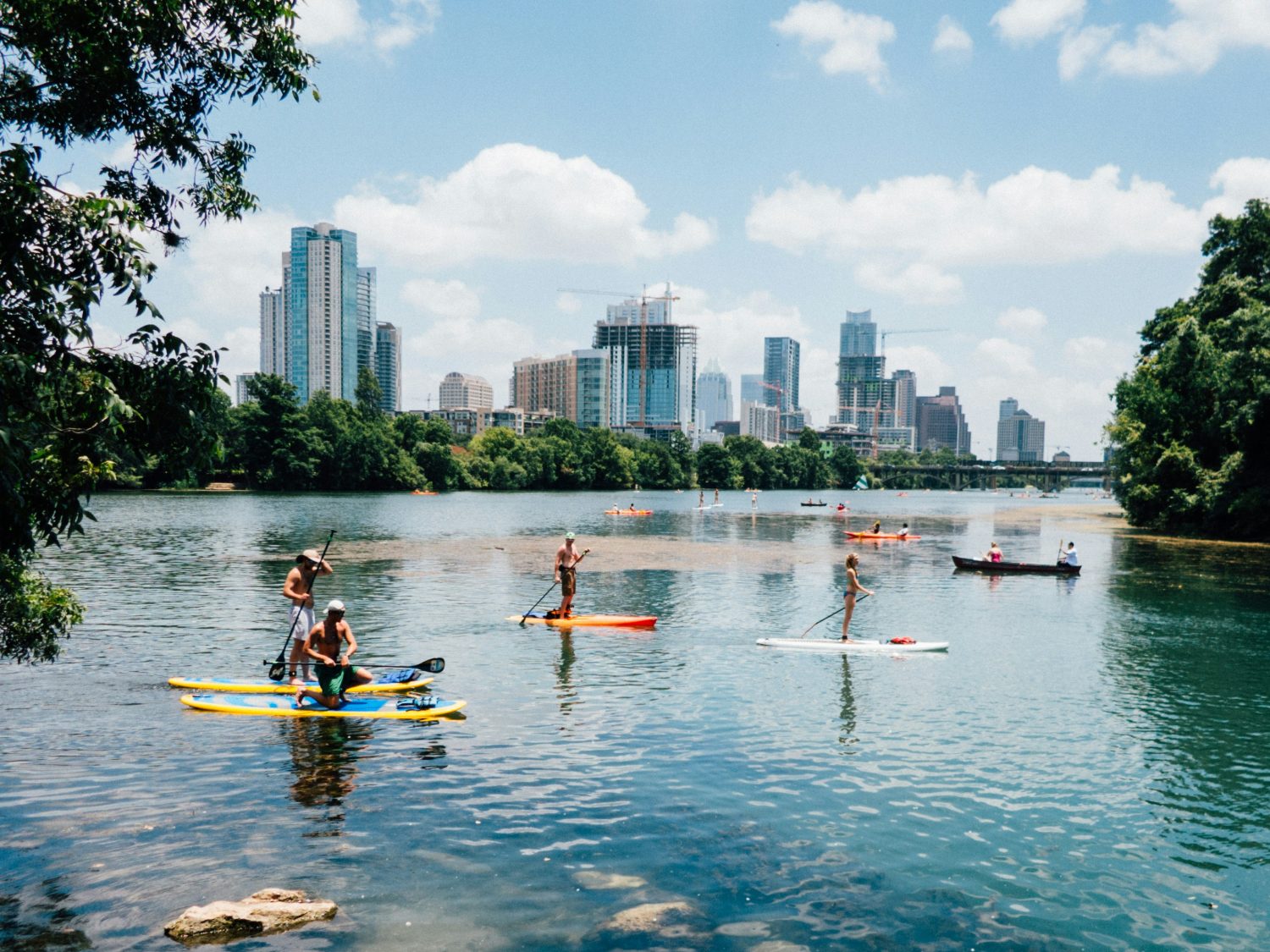
- Nature isn’t treated as a weekend luxury. Trails, water, and green space are part of everyday movement.
- Social spaces feel participatory. It’s easy to talk to strangers, easier to become a regular somewhere.
This combination matters more than hype. Cities that grow fast often forget that daily life, not big moments is what keeps people rooted. Austin hasn’t forgotten that, even as it scales.
Growth Changed Austin, But Didn’t Strip Its Personality
It would be dishonest to pretend Austin hasn’t changed. The skyline rose. Traffic thickened. Rents climbed. New money arrived with new expectations. Some longtime residents feel disoriented by how quickly familiar corners transformed.
Yet change doesn’t automatically erase character. In Austin’s case, it was complicated.
The city became wealthier and more global, but it didn’t lose its willingness to be informal. You can still walk into serious conversations wearing casual clothes. You can still find world-class talent sharing space with first-time creatives. That tension between polish and looseness is part of Austin’s modern identity.
It’s also why the city attracts people who want both ambition and humanity.
According to wealth tracking reports, the number of millionaires in Austin more than doubled between 2012 and 2022, surpassing 30,000. But unlike older financial hubs, that wealth sits alongside food trucks, dive bars, and community events without fully displacing them.
Why Short-Term Plans Turn Into Long-Term Roots
Many people arrive in Austin with a timeline. A few years. A trial run. A chance to see what the talk is about. Then something subtle happens. Friend groups solidify. Favorite spots emerge. The city stops feeling like a project and starts feeling like home.
This isn’t because Austin is perfect. It’s because it’s forgiving. You don’t have to optimize every decision to belong. There’s room to grow into the city rather than keep up with it.
People stay because Austin allows for identity without performance. You can change careers. You can slow down. You can lean in or pull back. The city doesn’t punish you for evolving.
Austin After Hours Feels Lived-In, Not Curated
Nightlife often reveals whether a city is authentic or staged. In Austin, evenings don’t feel choreographed. They feel inhabited. Music spills out of venues naturally. Conversations linger. Nights stretch without pressure to impress.
This is where Austin’s social ecosystem shows its depth. From intimate shows to high-energy spaces, the city’s nightlife reflects participation more than spectacle. Places like Palazio exist within that broader landscape, not as outliers, but as part of a diverse after-dark culture that welcomes different moods and moments.
What stands out is how little effort it takes to feel included. You don’t need an introduction or a checklist. You just show up.
The Real Tension Behind Austin’s Popularity
Being chosen comes with consequences. Rising demand pushed housing costs up. Traffic grew heavier. Some communities were displaced or pressured to adapt faster than they could. These realities are part of Austin’s story now, not footnotes.
Acknowledging them doesn’t weaken the city’s appeal, it strengthens its credibility. People choosing Austin today aren’t naive. They know the challenges. What they respond to is transparency and the sense that the city is still negotiating its future rather than locking it behind closed doors.
Austin remains one of the fastest-growing metro areas in America, adding hundreds of new residents each day. That pace forces hard questions about infrastructure, equity, and sustainability. The answers aren’t finished yet, but the conversations are happening in public.
Why Austin Still Feels Like a Choice, Not a Compromise
Despite its pressures, Austin doesn’t feel like a place people settle for. It feels like a place people commit to. That distinction matters.
- People move toward Austin with intention, not away from somewhere else.
- The city attracts builders of companies, communities, and culture.
- Participation is rewarded more than status or visibility.
This mindset keeps Austin from becoming purely transactional. Even newcomers sense that they’re joining something ongoing rather than consuming a finished product.
Austin’s strength isn’t universality. It’s specificity. Not everyone will thrive there, and that’s part of the appeal. The city resonates with people who value flexibility, creativity, and connection over rigid hierarchies.
And in a world where most cities compete to be everything at once, that restraint may be Austin’s most intentional decision of all.
–
Sponsored Content Notice:
This RespectMyRegion.com content was produced in partnership with Palazio Gentlemen’s Club. Respect My Region may receive compensation for sponsored features. Editorial voice and viewpoints remain independent.
Age Restriction:
This content references adult nightlife and is intended for audiences 21 and over. Please consume responsibly.