This article is sponsored by Kronberg’s Flags and Flagpoles. Respect My Region received compensation for publishing this content.*
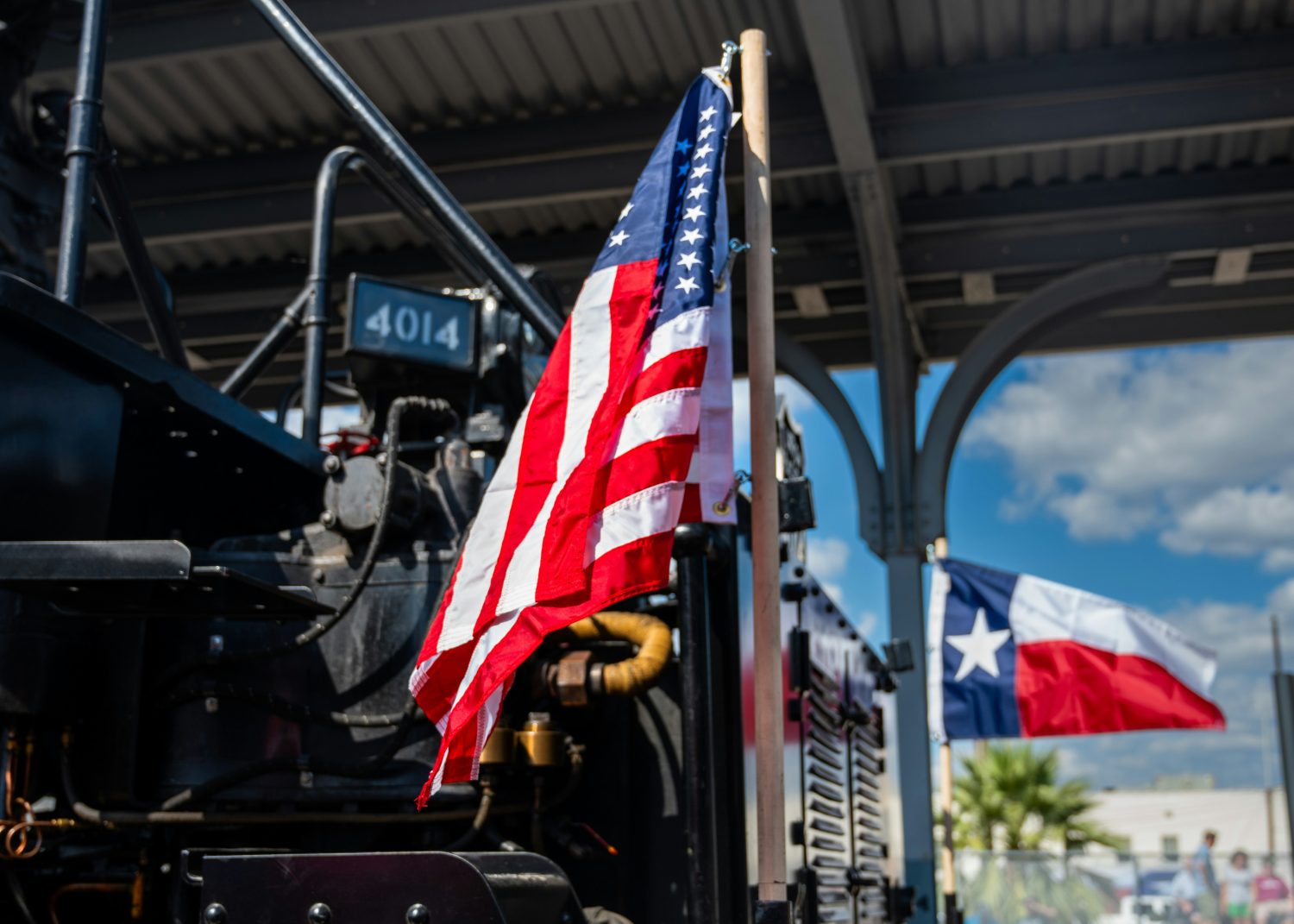
When American flags are catching the wind, it communicates a message of unity and shared purpose that resonates across generations and borders. The decision of where that symbol originates carries significant weight for many consumers who value authenticity and tradition.
Choosing a mass-produced alternative often means sacrificing the quality and the meaning that a truly well-crafted banner should provide to its owner. Deciding to buy American flags ensures that the physical object matches the high standards of the ideals it is meant to represent. This choice supports a domestic industry that takes immense pride in every stitch and every star produced for the community.
Selecting the Right Material for the Climate
Different environments require specific types of fabric to ensure that a flag remains vibrant and intact over long periods of exposure. Nylon is often the preferred choice for residential use because it is lightweight and flies beautifully even in a very light breeze.
For areas with higher wind speeds or more intense weather patterns, heavy duty polyester provides the necessary strength to resist tearing and fraying. This material is designed to handle the physical stress of constant movement while maintaining its rich colors against the sun.
Cotton remains a classic choice for indoor displays or special ceremonies where a traditional matte finish is more appropriate than a synthetic shine. Understanding the strengths of each textile allows a buyer to make an informed decision that balances aesthetic beauty with long term durability when it comes to buying American flags.
The Importance of the Manufacturing Standard
Not all products that look like a national symbol are created equal when it comes to their actual origins and construction methods. The FMAA certification provides a clear guarantee that every component of the flag was sourced and assembled entirely within the United States.
This standard protects consumers from low quality imports that often use inferior dyes and weak threads that fail within a few months. Seeing this seal of approval means that the craftsmanship meets the rigorous requirements expected of a professional grade textile product.
Adhering to these strict guidelines ensures that the industry maintains its reputation for excellence and reliability in a global market. It is a mark of integrity that proves a commitment to the workers and the processes that keep domestic manufacturing alive and well.
Engineering for Maximum Wind Resistance
The most common point of failure for any outdoor banner is the fly end where the fabric experiences the most intense whip and tension. Professional manufacturers use reinforced stitching patterns to prevent the material from unraveling after only a few weeks of use.
Using multiple rows of lock stitching provides a secondary layer of protection that holds the fibers together even under extreme environmental pressure. These technical details are what separate a high performance flag from a cheap novelty item that is meant for temporary use.
Attention to the header and the brass grommets is equally important to ensure that the attachment points do not pull away from the fabric. A well engineered flag is built to endure the elements while remaining a dignified representation of the values it was created to honor.
The Human Impact of Domestic Production
Choosing a domestically produced flag directly impacts the lives of the people who work in local textile mills and sewing rooms across the country. These manufacturing jobs provide a stable livelihood for thousands of skilled artisans who have dedicated their careers to this specific craft.
Supporting these businesses keeps a vital part of the industrial heritage alive while ensuring that the skills are passed down to future generations. It is a way to invest in the local economy and strengthen the fabric of the community through direct consumer action.
The ethical considerations of a purchase are often just as important as the physical quality of the product itself. Knowing that a symbol was created under fair working conditions by people who respect the object they are making adds a layer of value that is impossible to quantify.
The quality of a flag’s construction should always be as high as the ideals it is intended to represent in the public square. A faded or torn banner sends a message of neglect that undermines the powerful symbolism of the stars and the stripes.
Investing in a premium textile product ensures that the display remains a source of pride for the owner and the community for years to come. Durability and craftsmanship are the hallmarks of a brand that understands the weight of the history it carries.
Choosing to support local manufacturing is a strategic way to preserve a legacy of excellence that defines the national character. When the right materials and the right hands come together, the result is a lasting tribute that stands the test of time and weather.
–
Disclaimer:
This content is provided for informational purposes only. Respect My Region does not manufacture or sell flags and does not independently verify product specifications, certifications, or manufacturing claims referenced in this article. Readers should consult directly with Kronberg’s Flags and Flagpoles for product details, availability, and purchasing information.