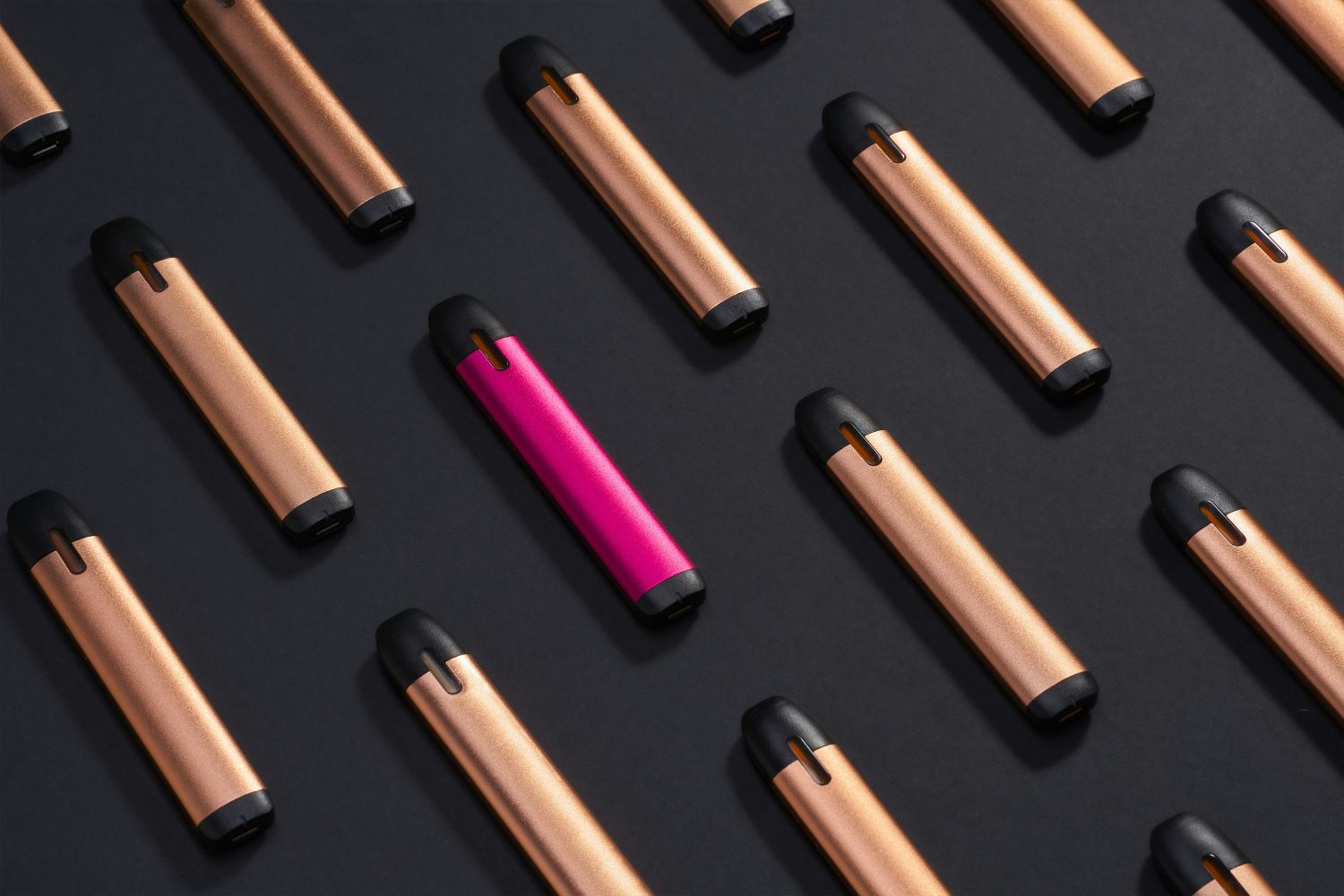
California’s disposable vape ban puts an expiration date on a familiar convenience-store purchase. Governor Gavin Newsom signed Assembly Bill 762 on September 28, setting up a phaseout of covered nicotine devices and another shift for the state’s tobacco retailers. The governor’s office announced the measure as part of a broader package of health legislation.
For shoppers, the immediate question is when products disappear. For store owners, it is how much inventory they can responsibly carry before that happens.
Behind both questions is the same piece of hardware: a battery that gets thrown away with the vape.
Updated September 30, 2026.
California Disposable Vape Ban Dates: When Does AB 762 Take Effect?
The rollout has two stages. Starting January 1, 2027, importing or manufacturing covered new or refurbished devices for sale in California is prohibited. Beginning January 1, 2028, selling, distributing or offering them for sale is prohibited statewide. CalMatters’ Digital Democracy bill tracker outlines that schedule.
That creates a transition period for otherwise lawful inventory. It does not make an already prohibited product legal through 2027.
For retailers, the practical challenge starts before the sales deadline. A large order might look attractive today, but leftover inventory becomes a different business problem when the store can no longer offer it for sale.
Why California Is Targeting Disposable Vapes
Assemblymember Jacqui Irwin, the Thousand Oaks Democrat who authored AB 762, framed the legislation around waste and pollution.
“California has taken great strides to reduce waste and pollution in our communities,” Irwin said in her September 28 announcement.
The disposal problem is more complicated than an empty plastic package. According to the U.S. Environmental Protection Agency, e-cigarettes contain nicotine and lithium batteries, creating hazards when discarded improperly. Batteries can cause fires in trash and recycling systems, while nicotine presents a separate toxic exposure concern.
A device can be convenient at the counter and difficult to manage after its last puff. The customer is finished with it. The sanitation worker, recycling facility or hazardous-waste program still has to deal with what remains.
That is the environmental argument behind the phaseout: change the product entering the waste stream instead of leaving communities to manage every discarded unit.
Which Disposable Vapes Does AB 762 Cover?
The chaptered law covers specified tobacco-containing devices that are not intended for reuse. Being nonrefillable or nonrechargeable can bring a device within its definition. A charging port alone therefore does not settle whether a product complies. The refillability provisions include separately available replacement containers and refillable containers, and the law contains specified medical-device exemptions.
That distinction matters when evaluating a product advertised as “rechargeable.” Charging the battery extends its operation. It does not necessarily give the device another usable life after its contents run out.
Retailers will need to look beyond packaging language and understand how each system actually works.
Does California’s Disposable Vape Ban Include Cannabis?
AB 762 expressly excludes cannabis and cannabis products from its covered-device definition. It does not establish the same disposable-device prohibition for THC vapes.
For RMR readers following cannabis hardware, that is a central distinction. A headline saying California has “banned disposable vapes” needs that context before anyone assumes dispensary shelves face the same deadline.
The exclusion also leaves an environmental question: how should other battery-containing products be designed and collected after use? Exempting a category from this particular prohibition does not resolve its disposal challenges.
Retailer Penalties Go Beyond a Single Fine
AB 762 authorizes civil penalties of $500 for a first violation, $1,000 for a second and $2,000 for subsequent violations. It also establishes an infraction punishable by up to $500. Retail enforcement provisions include seizure, a $50-per-device penalty and escalating license consequences, including suspension after a second seizure and revocation after a third.
Those consequences make inventory planning more than a sales decision. Continuing to carry prohibited devices could affect a retailer’s ability to operate its tobacco business.
Will the Ban Reduce Waste or Push Sales Underground?
Opponents question what happens when legal retailers stop carrying products consumers still want.
“If we’re going to take the environment as an excuse to keep banning these products, where is that going to stop?” Arkan Somo, co-founder of the Neighborhood Market Association, told the Associated Press. AP reported concerns about burdens on family-owned stores and tobacco smuggling.
That concern is a prediction about enforcement and consumer behavior. The environmental case is a separate argument about the consequences of disposable design.
Both will matter when the law reaches store shelves. California can set a deadline for lawful businesses. Whether the policy substantially reduces discarded devices will also depend on compliance, enforcement and what consumers buy next.
What California Shoppers Should Watch Next
The immediate shift is in purchasing and inventory decisions. Manufacturers, importers and retailers now have a schedule to work around, while consumers will need clearer explanations of which devices remain available.
Used products still require proper disposal during that transition. The EPA recommends taking discarded e-cigarettes to a household hazardous-waste collection site rather than putting them in household trash or recycling.
The next test for AB 762 comes in implementation: whether California can move purchases toward reusable hardware and keep prohibited disposable products from simply finding another route to the customer.
–
For more updates, follow Respect My Region on Instagram.