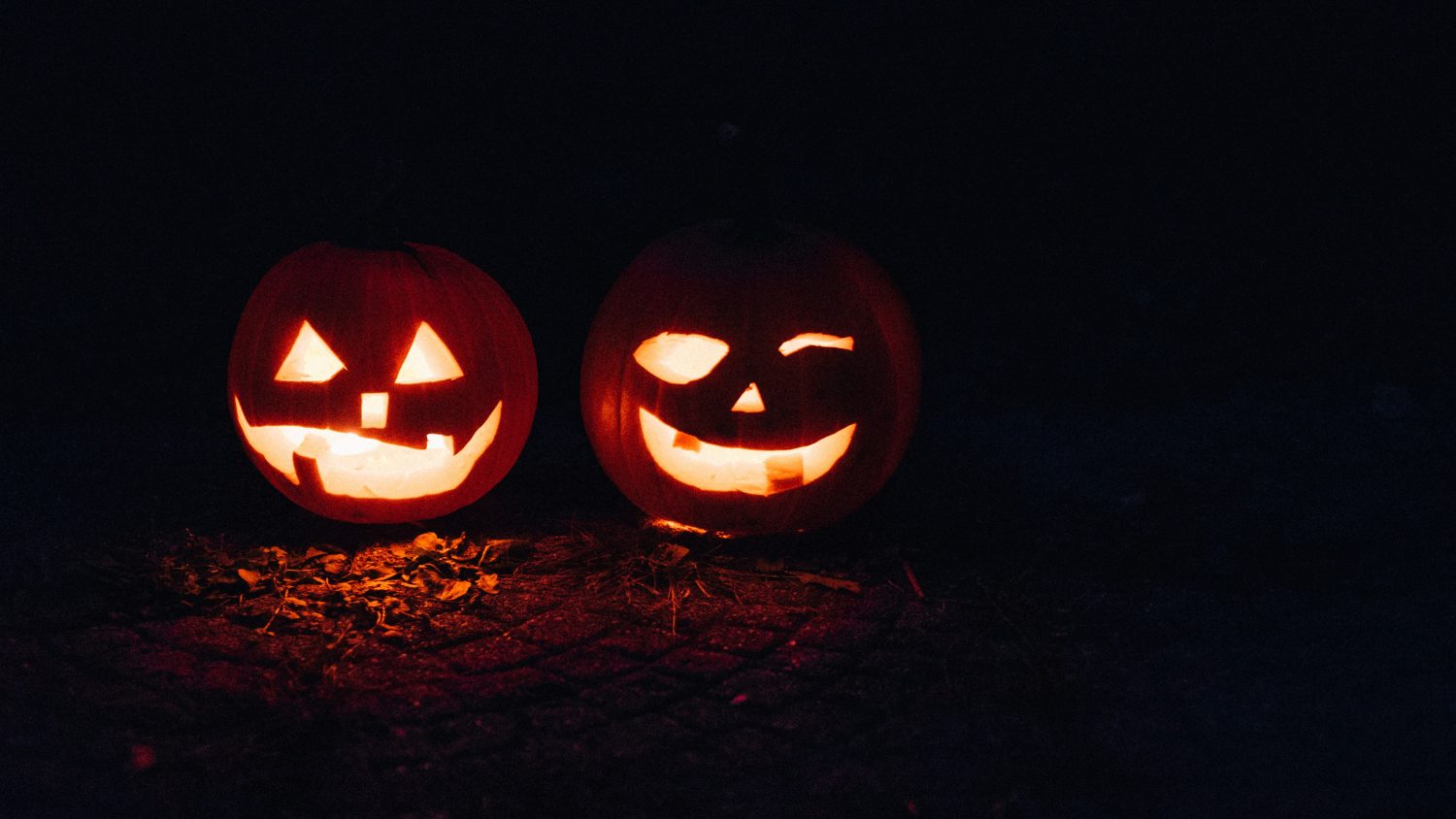
Halloween is the one night when candy is everywhere. That makes it a good time to talk honestly about cannabis edibles: how to choose one, how to read the label, and why the bowl by the front door should have absolutely nothing to do with them.
A good edible can fit an adults-only movie night or a small get-together. A bad plan is buying something because the flavor sounds good, passing it around without explaining the THC content, and assuming everyone has the same tolerance. The package matters more than the Halloween theme. Before we care whether a gummy tastes like sour watermelon or mango chamoy, we want to know how much THC is in one piece, how many pieces are in the bag, and where the product came from.
This guide focuses on California’s legal adult-use market, where shoppers 21 and older have access to licensed retailers. Product rules and availability differ by state. If you are shopping elsewhere, check your local regulations and the product’s own label.
Start With the Store, Then Read the Package
A colorful online listing does not tell you whether the seller is licensed. California’s Department of Cannabis Control has a business search tool that shoppers can use to verify a retailer. That is the first stop when you are trying an unfamiliar delivery service or dispensary. The state says the tool is updated daily.
Once you are in the store, forget the large THC number on the front of the package for a moment. Find the serving information. A bag labeled 100 mg THC may contain ten pieces at 10 mg each, twenty pieces at 5 mg each, or another division that the label explains. Those are different purchases for a group of people with different experience levels.
California’s general limit for an edible is 10 mg THC per serving and 100 mg per package, although its regulations contain specific exceptions for certain medical products and formats. That limit is a ceiling, not a recommendation to eat an entire serving. Someone who occasionally takes a small portion of a gummy should not assume a full 10 mg piece will feel familiar.
Look for the THC and CBD content per serving, the number of servings, ingredients, allergens, and any instructions for dividing the product. If the label leaves you guessing which piece counts as a serving, ask the budtender before buying it.
The Halloween Edible Shopping List
The best choice depends on the night you are planning. A movie at home calls for something different from a loud party where people may also be drinking.
For the person who wants a smaller serving: Low-dose gummies or mints
A clearly labeled, lower-dose product gives someone more control over their starting point. Ask the retailer what they have at 2.5 mg or 5 mg THC per piece, and verify that amount on the package. Do not assume a gummy is low-dose just because it is small.
RMR has previously covered California brands that make the serving size easy to understand, including WHOA gummies in 5 mg and 10 mg formats. That is a useful comparison to bring into a dispensary conversation; it is not a promise that a particular store has either format in stock.
For the flavor-first shopper: Gummies worth eating
Halloween makes sour and fruit flavors an obvious draw, but flavor should earn its place alongside a readable label. RMR has spent time with Kanha’s solventless belts and rosin sours, products that give shoppers a more specific choice than “some gummies.” They’ve leaned into the spooky spirit with their own Halloween-themed belts for this year’s holiday season.
If the taste and texture matter to you, read a product review, then check the current formulation and serving size at the retailer. Brands can offer multiple versions with different ingredients or potency.
For a California flavor that actually brings something to the party, look at Dulzé. Its Mango Chamoy gummies connect sweet fruit and chile flavors to the brand’s Mexican culinary roots. RMR has also covered Dulzé Max live rosin gummies. “Max” is a good reminder to read the serving label closely: a 100 mg package describes the whole package, and the per-piece amount is what you need before consuming one.
For the person tired of gummies: Chocolate or another clearly portioned edible
There is no rule that a Halloween edible has to be a sour chew. Chocolate, mints, and other food formats may be on your local menu. What matters is whether you can identify one serving without doing mental math at a party.
Check the ingredients as carefully as the THC. Chocolate can bring milk, nuts, or other allergens into the picture, while a gummy may use ingredients that a guest avoids. California maintains guidance on allergen labeling, and the state’s recall notices show why this detail is worth taking seriously. In May 2026, its recall portal identified Punch Bar products recalled over missing allergen information. Check the current recall information for any product that concerns you.
For an adults-only gathering: Cannabis beverages
A drink can look like a convenient party option. It also creates an easy mistake when cups are set down, guests arrive late, or somebody assumes the cooler contains only ordinary soda. Keep infused beverages in their labeled containers, tell adults exactly what is being offered, and keep them separate from regular drinks.
Read THC per container and THC per serving. A can is not automatically one serving. If you are also serving alcohol, make a clear choice about what is available rather than leaving guests to sort out the combination after they have consumed both. The CDC notes that the amount consumed and alcohol used at the same time can affect an edible experience.
The Timing Problem: Why People Take Too Much
You can eat a gummy in seconds. You may not feel its intoxicating effects for 30 minutes to two hours, according to the CDC’s cannabis poisoning guidance. Effects can also last longer than someone expects. That delay is behind one of the most familiar edible mistakes: “I don’t feel anything,” followed by another piece, followed by both servings taking effect.
There is no reliable way to judge a guest’s response by watching someone else eat the same product. Prior experience, the amount taken, food, alcohol, medications, and individual differences all matter. If someone is new to edibles, this is a poor night to pressure them into matching a friend’s dose. Let each adult decide whether they want any at all.
That is also why we would skip the “mystery snack” approach entirely. Do not bake THC into unlabeled party food. Do not put infused chocolates beside ordinary chocolates. Do not cut gummies into pieces and leave them in an open bowl. Keep the original packaging available so the serving and ingredient information stays with the product.
Keep Halloween Candy and Cannabis Completely Separate
California prohibits cannabis packaging that imitates candy branding. Its labeling guidance also generally requires edible packaging to be opaque. The point is straightforward: an infused product must not be mistaken for something a child can eat.
At home, make the separation physical. Put trick-or-treat candy in its own place. Keep cannabis products sealed, in their original child-resistant packaging, and locked away from children and pets. Do the same at the end of the night, when bags, leftovers, and half-finished drinks are easy to forget.
This is not a hypothetical concern. The CDC warns that children may mistake cannabis edibles for regular food and become seriously ill after consuming them. If you suspect a child has eaten one, call Poison Help at 1-800-222-1222 for immediate guidance; call emergency services for a medical emergency.
What We’d Ask a Budtender Before Buying
You do not need a complicated conversation. You need answers you can use when you get home:
- How much THC and CBD are in one piece or one drink serving?
- How many servings are in the package?
- Does this brand make a lower-dose version?
- What ingredients and allergens should I know about?
- Is the product currently available here, and is there another flavor or format with the same serving size?
If a retailer can walk you through those questions clearly, you have a better starting point than a “best Halloween edibles” list built from flavors alone.
Our own edible coverage is useful for discovering brands and understanding what makes a product interesting. RMR’s reviews of Dulzé, Kanha, and other products give you places to begin. The package in your hand, at a licensed store in your state, supplies the final details.

The best edible for Halloween is one you can identify, portion, and store properly. Buy from a licensed shop. Choose a serving size that makes sense for the person consuming it. Give it time. Keep it away from the candy bowl, kids, and pets. If you are going out afterward, arrange transportation that does not put an impaired person behind the wheel.
Then get back to the part of Halloween worth enjoying: the food, the music, the costumes, and the friends who showed up.
–
For adults 21 and older where legal. This California-focused guide is general information, not medical advice. Product availability, formulations, and laws vary by location. Any paid placement should be disclosed at the top of the published article.