Six years is a long time between albums, especially in an R&B economy built around constant releases, deluxe editions, loose singles and viral moments. Jhené Aiko has never sounded interested in racing anyone, though. Her music moves according to its own internal clock: slow, reflective, sensual and just detached enough to make private turmoil feel almost weightless.
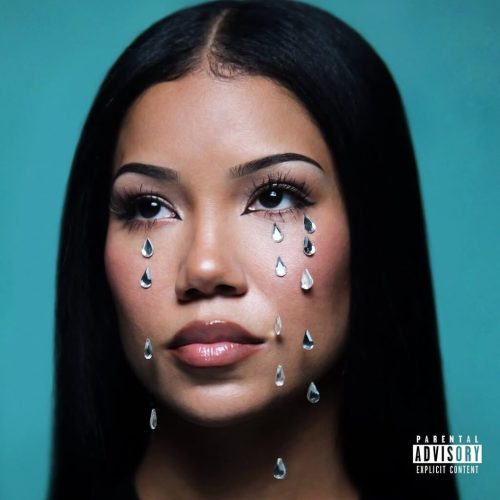
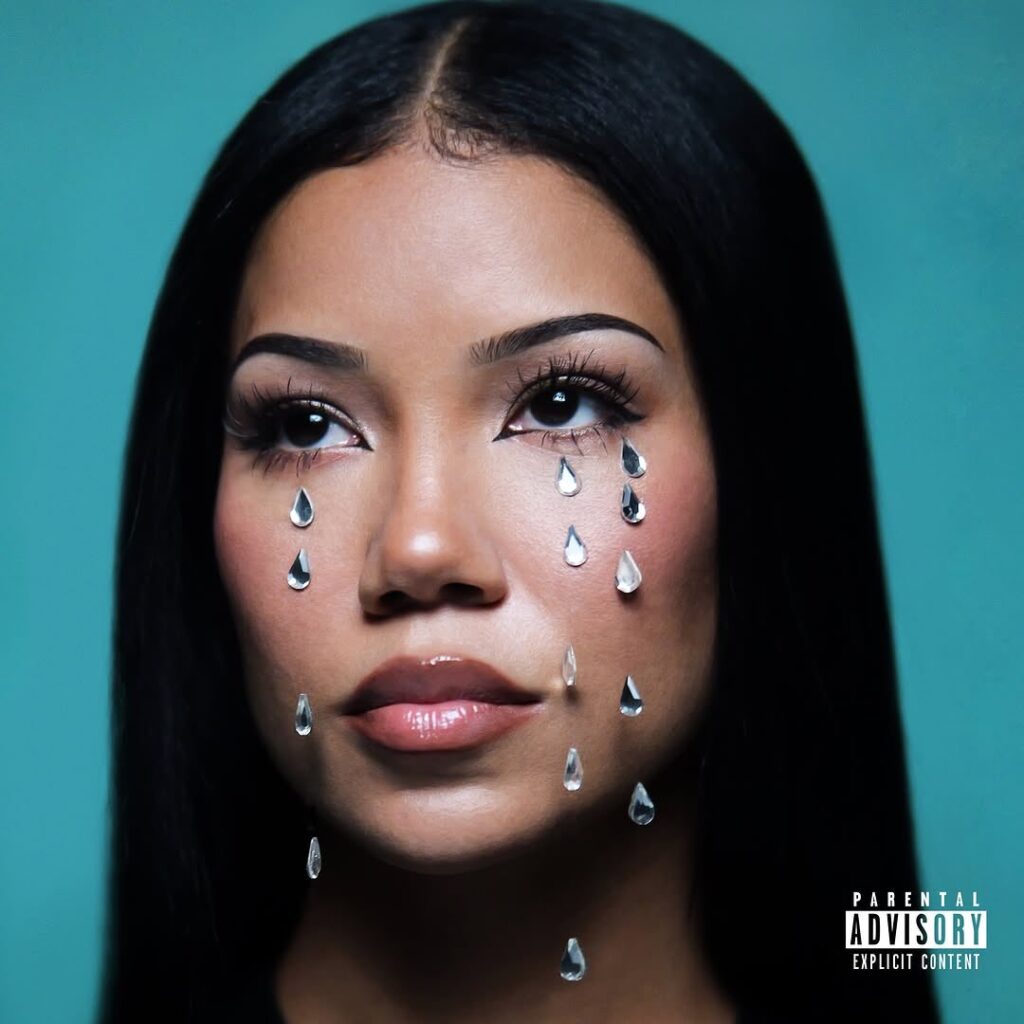
On Westside Whimsy, released September 11 through ALLEL, Artclub and Def Jam Recordings, Aiko returns with 20 songs spread across roughly 56 minutes. The official Jhené Aiko store identifies it as her fourth studio album and publishes the complete tracklist, while Apple Music describes the record as an hour-long journey through her Southern California homeland.
The response was bigger than a quiet comeback. Westside Whimsy debuted at No. 1 on the Billboard 200, giving Aiko her first chart-topping album. Billboard reported that the project opened atop the chart dated September 26. Commercial success does not automatically settle the artistic argument, but the debut confirms that six years away did not weaken the audience waiting for her.
The album sounds exactly like a Jhené Aiko project should sound in 2026. It is airy, wounded, occasionally funny, romantic, bitter and deeply committed to atmosphere. It is also long enough that its restraint sometimes begins feeling like repetition.
Westside Whimsy is not a dramatic reinvention. It is Aiko returning to her most recognizable strengths and building an entire California sunset around them.
Westside Whimsy Brings Jhené Aiko Back Home
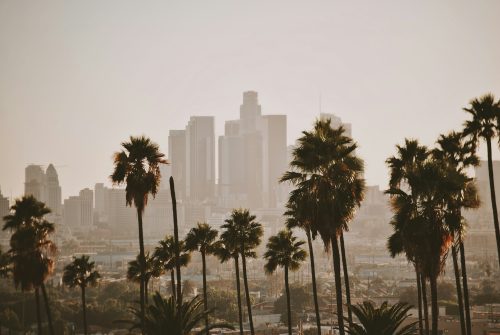
The album’s title immediately places the record on the western edge of Los Angeles, but Aiko’s version of the Westside is more emotional than geographic. This is less a neighborhood guide than a mental landscape filled with coastline, complicated relationships, dream logic and the kinds of conversations that arrive after midnight.
Months before the release, Aiko told Complex that California would influence the album and described her home state as a magical place. The finished record follows through on that idea without becoming a literal travelogue.
Pitchfork’s New Music Friday overview characterized the project as a collection of Los Angeles odes built from languid ballads, jazz-bar textures and introspective monologues. That is an accurate description of how the record moves. The music rarely punches forward. It drifts, circles and lets Aiko live somewhere between singing, speaking and thinking out loud.
The approach feels connected to the inward focus of Souled Out and the psychedelic sprawl of Trip, but Westside Whimsy is less conceptually ambitious than either. It is more conversational and grounded in adult relationship fatigue. The spiritual language and soft-focus production remain, but the writing repeatedly returns to people who disappointed her, boundaries she should have enforced and peace she is still trying to protect.
That spirituality has never been a decorative part of Aiko’s presentation. In its coverage of her NPR Tiny Desk performance, RMR noted that she opened the set with a singing bowl before moving through material from different stages of her catalog. The same instinct carries into Westside Whimsy: sound, reflection and emotional processing are treated as parts of the same experience.
That contrast gives the album its central tension. Aiko sounds calm even when the writing is not.
The Opening Stretch Establishes the Mood Without Rushing
“Wild Cat(s)” introduces an album that prefers suggestion over immediate impact. Aiko does not return after six years attempting to force a radio moment into the opening seconds. She gradually introduces listeners to the project’s emotional vocabulary.
“Ghost,” “Break” and the Ab-Soul-assisted “Love Bomb” continue that measured pace. Ab-Soul is a natural choice because he understands how to occupy an introspective record without breaking its atmosphere. The collaboration also reinforces the album’s Los Angeles identity without turning the hometown concept into a collection of obvious landmarks and name-drops.
“Ceiling (Freestyle)” and “Nothing Nice to Say” move closer to the core of what Aiko does best. The latter transforms withheld communication into an entire mood. Rather than exploding at the person who frustrated her, Aiko lets silence become the threat. Her composure is more cutting than a louder performance might have been.
“He Belongs” is another early standout because its vocal layering gives the track more shape than some of the surrounding songs. Aiko’s understated delivery works best when the background vocals, rhythm or production supply a contrasting current beneath her calm surface.
These songs demonstrate how much control Aiko possesses as a vocalist. She does not need to belt or crowd the instrumental to command attention. Small shifts in phrasing can change a lyric from affectionate to dismissive. The risk is that when nearly every performance occupies the same intimate space, subtlety becomes harder to distinguish from one track to the next.
The Features Support the West Coast Story
The guest list is selective: Ab-Soul, Tyga, Larry June, Kendrick Lamar and OHMA. Those choices keep the album connected to Los Angeles and the larger California music ecosystem.
That regional strategy feels consistent with Aiko’s broader career. RMR’s roundup of rising California R&B albums previously highlighted August 08’s relationship with Aiko’s ALLEL Sound imprint, another example of her connection to the state’s R&B community extending beyond her own releases.
“Like, Whatever” with Tyga is an interesting matchup because Tyga’s directness sits against Aiko’s softer delivery. It supplies some personality and movement, although it does not completely pull the album away from its established haze.
Larry June fits more naturally on “Neighbors.” The Bay Area rapper’s relaxed cadence and luxury-without-stress persona make him sound comfortable inside Aiko’s California dream. Aiko describes herself in a beautiful place, while June steps naturally into the role of the neighbor. It is one of the clearest examples of regional identity becoming part of a song instead of remaining a marketing concept.
The album’s strongest sequence arrives with “Neighbors,” “Mine” and “So Good.” The three-song run gives the second half a lift just as the record risks settling too deeply into one temperature.
“So Good” draws the most attention because it reunites Aiko with Kendrick Lamar. Pitchfork traced their collaborative history back to Kendrick’s 2010 Overly Dedicated mixtape and Aiko’s 2013 Sail Out EP, where he appeared on “Stay Ready (What a Life).” That history gives the reunion weight before either artist says a word.
The song is compelling, but it will likely divide listeners. Kendrick leans into a melodic performance instead of delivering the kind of technically aggressive rap verse some fans may have expected. His choices are deliberately vulnerable and slightly awkward. Whether that adds humanity or disrupts the record depends on how receptive the listener is to Kendrick stretching his voice beyond conventional rapping.
It is not the album’s runaway masterpiece, but it is one of its most memorable conversations.
Jhené Aiko’s Consistency Is Also the Album’s Limitation
There is a fine line between cohesion and sameness. Westside Whimsy crosses it more than once.
Aiko’s whispery phrasing, layered harmonies and ambient production remain effective, but the record does not introduce enough significant shifts across 20 tracks. Several songs feel less like separate destinations than variations of the same late-night emotional environment.
That will not bother listeners who want an uninterrupted Jhené Aiko mood. For those looking for the narrative scale of Trip, the sharper hooks of Chilombo or more dynamic vocal peaks, the album can feel overly comfortable.
That comparison is difficult to avoid because Chilombo set a significant standard. The Recording Academy’s official artist record lists nominations for Album of the Year and Best Progressive R&B Album, along with a nomination for “Lightning & Thunder.”
RMR previously observed in its review of PARTYNEXTDOOR’s PARTYMOBILE that simplicity can produce some of an R&B album’s strongest moments. That is also true here. The difference is that simplicity needs contrast around it. On Westside Whimsy, too many songs ask similar production choices to carry similar emotional weight.
The problem is not that the album is quiet. The problem is that its quietness does not always evolve.
Removing four or five songs could have made the emotional turns hit harder. “Lullaby” and portions of the later tracklist contribute to the atmosphere without necessarily deepening the record. Aiko’s commitment to giving the music room to breathe is understandable, but breathing room and excess are not the same thing.
A shorter tracklist also could have helped individual songs retain their identities. When the instrumentation, vocal temperature and lyrical perspective remain this consistent, good songs can disappear inside the larger experience.
The Final Stretch Finds Light After the Relationship Debris
The closing sequence begins opening the record outward. “Beach Boy,” “Unicorn” and “I Don’t Mind” retain the album’s dreaminess while feeling less trapped inside its early romantic tension.
“Nami’s Haiku” provides a personal transition before “A Living Light” and “Golden Coast” bring the album toward a warmer conclusion. OHMA’s appearance on “Golden Coast” helps close the project within the California frame established by its title.
The ending does not deliver a huge climax, but that kind of finale would probably feel dishonest to the album Aiko made. Westside Whimsy is about returning to center, not conquering the world. Its final songs feel like light slowly entering a room after a long night.
There is maturity in that refusal to manufacture a grand resolution. Aiko does not pretend every relationship has been repaired or every wound has disappeared. Instead, she sounds more capable of recognizing what she can and cannot control.
Is Westside Whimsy Worth the Six-Year Wait?
That depends on what listeners wanted from Jhené Aiko’s return. Anyone expecting a reinvention, a collection of immediate singles or an aggressive update to contemporary R&B may leave underwhelmed. Aiko does not chase faster tempos or harder percussion. She does not overcrowd the project with fashionable features. She trusts the sound she has spent more than a decade refining.
That confidence deserves respect, but it also exposes the album’s weaknesses. A signature style can become limiting when the tracklist repeatedly returns to the same vocal temperature and production palette.
Still, the record has a clear identity. “Nothing Nice to Say,” “He Belongs,” “Neighbors,” “Mine,” “So Good” and “Golden Coast” provide the most convincing reasons to return. The album works best during long drives, quiet evenings and moments when its emotional patience matches the listener’s mood.
That patient presentation has translated beyond recorded music, too. When RMR covered Aiko’s 2024 Magic Hour Tour announcement, it marked her first headlining tour in more than five years. Her larger return has unfolded through deliberate, spaced-out moves instead of a constant flood of content.
Westside Whimsy is a good Jhené Aiko album, although it is not necessarily her defining one. It reconnects her with Los Angeles, trusted collaborators and the intimate writing that built her audience. At its best, the record feels effortless and emotionally precise. At its weakest, it mistakes consistency for progression.
After six years, Aiko did not return louder. She returned more settled in who she is. That choice makes Westside Whimsy easy to respect, even when it is not consistently gripping.
RMR rating: 7.4/10
Standout tracks: “Nothing Nice to Say,” “He Belongs,” “Neighbors,” “Mine,” “So Good” and “Golden Coast”