On a recent episode of the Respect My Region Podcast, Joey Brabo spoke with Ben from Nasha about traditional hash, solventless production, consumer education and the language cannabis companies use to describe their products. Cannabis concentrates have changed dramatically over the last decade. The modern market is filled with live rosin, resin vapes, infused pre-rolls and high-potency products designed to catch a customer’s attention from inside a crowded dispensary. At the same time, many consumers have never experienced traditional hash or learned how it connects to the larger history of cannabis.
Nasha is bridging the hash gap.
The conversation explored what makes hash different from other concentrates, but it also revealed something larger about Nasha. This is a company attempting to preserve an old-world cannabis tradition while developing products that make sense inside California’s modern retail market.
The episode was powered by Infinite Chemical Analysis Labs (ICAL) as part of RMR’s continuing coverage of cannabis brands, cultivators, manufacturers and operators throughout the legal industry.
Nasha’s Connection to Traditional Hash
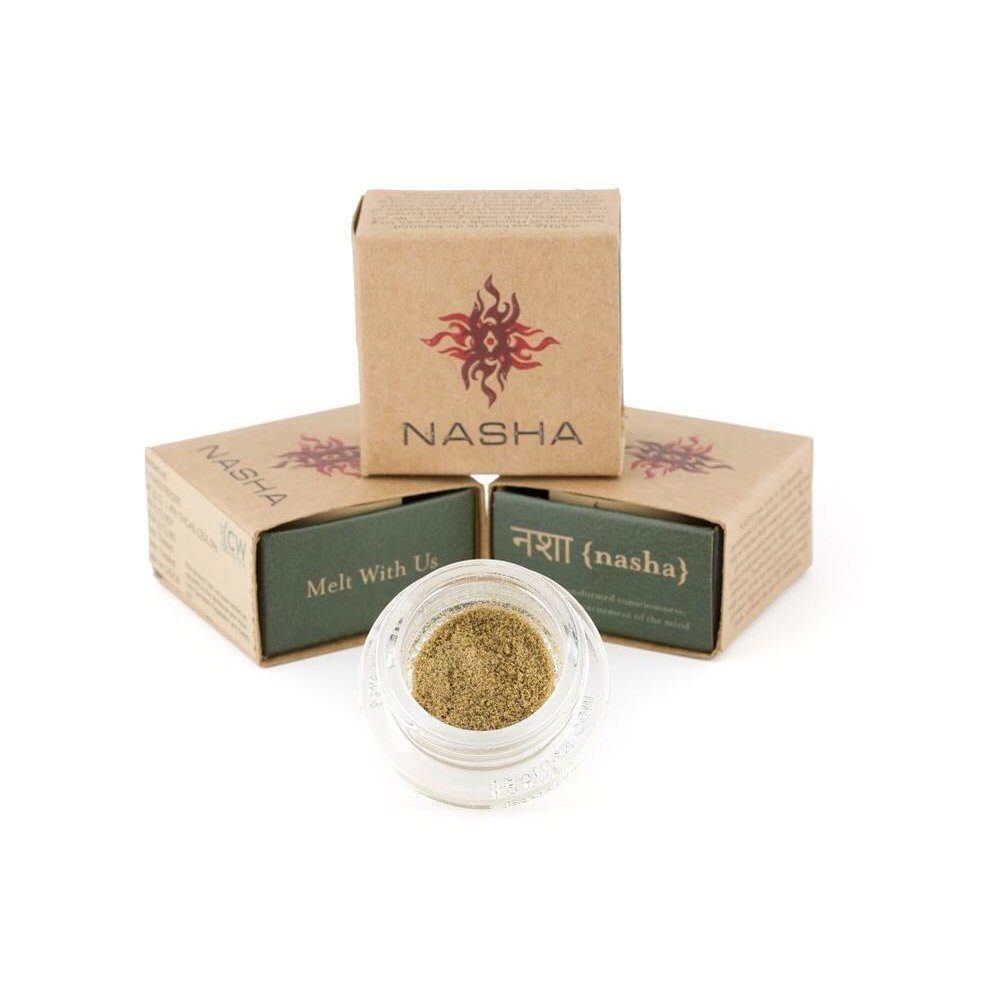
Nasha was born in Humboldt County, one of the most important cannabis-producing regions in the world. The company’s identity is deeply connected to India and the history of hashish. Even the name carries that influence. Nasha uses the Sanskrit word to describe a state of transformed consciousness, exhilaration or excitement of the mind.
That foundation separates the company from cannabis brands that were developed around a logo, celebrity or short-term product trend.
Hash existed centuries before the legal dispensary market, electronic dab rigs or solventless concentrate competitions. Traditional producers used simple tools, physical separation, pressure and generations of knowledge to collect and shape the resin glands found on cannabis plants.
Nasha has brought that philosophy into regulated California cannabis by focusing on cold-water hash and products derived from resin-rich flower.
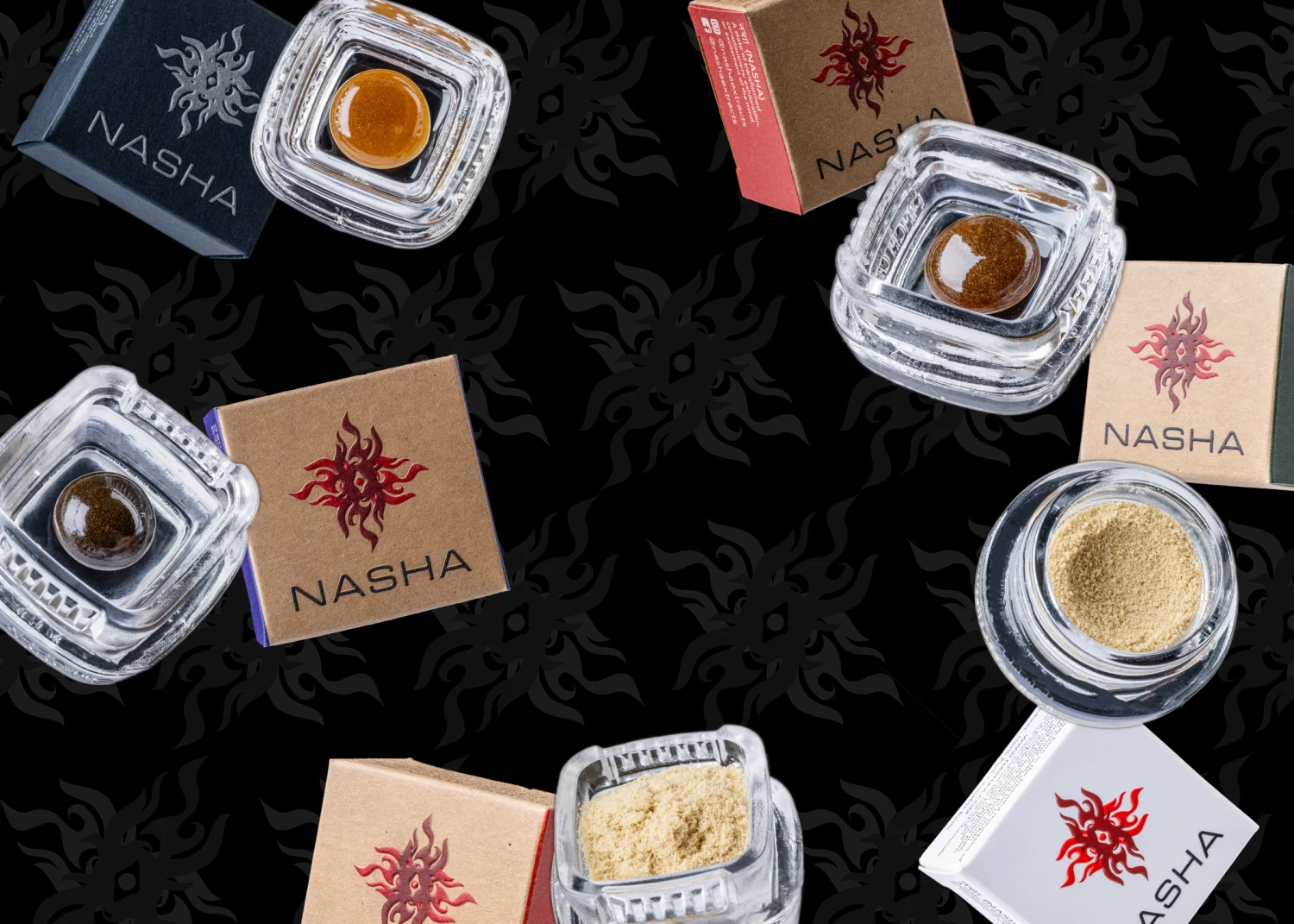
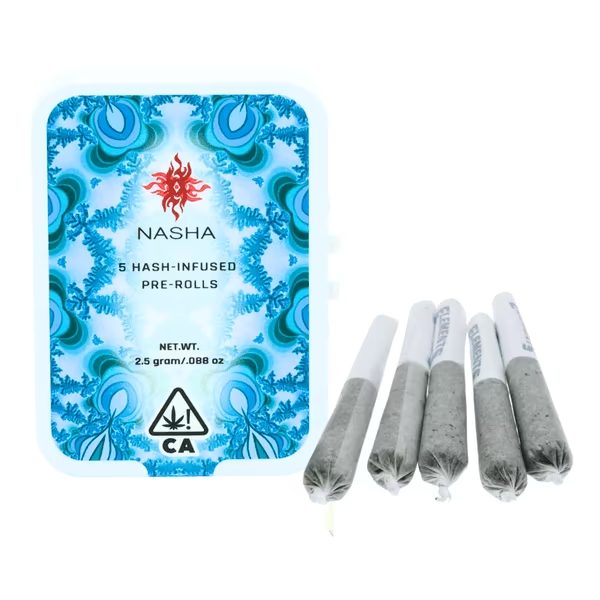
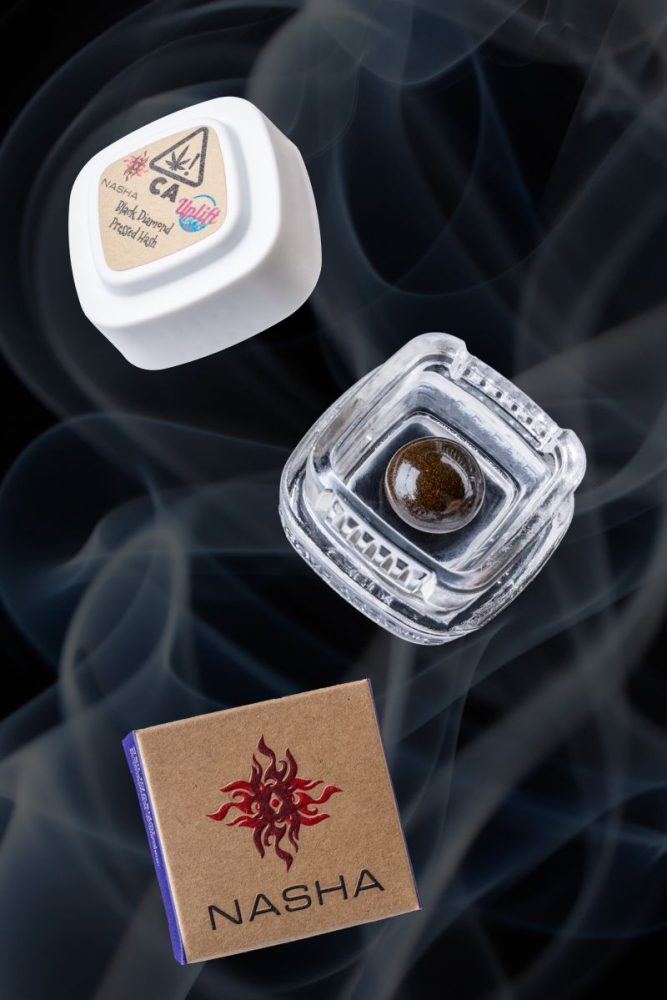
The company’s current product collection includes unpressed hash, hand-rolled pressed hash, cold-cure live rosin, hash-infused pre-rolls, live rosin-infused pre-rolls, vaporizers, flower, edibles and tinctures. Despite the range of formats, hash remains the connecting point throughout the lineup.
Nasha is not simply adding “solventless” to its marketing because the category is popular. The company has built its identity around translating the hash experience into multiple products without abandoning the methods and culture that inspired it.
Rosin has become one of the most visible categories in premium cannabis, but traditional hash can still be unfamiliar to newer consumers. Some shoppers know how to use a vape or light an infused pre-roll but may not understand what to do with loose hash or a temple ball. Others assume that all concentrates are meant to be consumed through a dab rig.
Nasha’s unpressed hash consists of loose resinous trichomes separated from cannabis flower. It can be sprinkled into a bowl or added to a joint. The company also produces 1.2-gram pressed temple balls that can be broken apart and mixed with flower or consumed through hash-specific pipes and accessories.
These products offer a different relationship with cannabis than the quick convenience associated with disposable vapes.
Traditional hash encourages the consumer to slow down, handle the product and pay attention to its texture, aroma, melt and flavor. It creates an experience that feels connected to the plant and the process behind it.
That does not mean Nasha is rejecting modern product formats. The company is using them to introduce more people to hash.
Its live rosin vapes are designed to recreate elements of the hash-smoking experience in a discreet format. Nasha starts with resin-rich whole plants, creates cold-water hash and then applies heat and pressure to prepare the material for vaporization.
The company’s infused pre-rolls follow a similar idea. They provide an accessible product for consumers who may be curious about hash but are not ready to purchase a loose concentrate or learn an entirely new consumption ritual.
Nasha Does Not Rely on Indica, Sativa and Hybrid Labels
One of the most interesting portions of the RMR conversation focused on how Nasha describes its products. Ben explained that the company does not use indica, sativa or hybrid terminology on its hash and pre-rolls. Instead, Nasha wants consumers to consider the actual plant, cultivar, flavor and experience connected to the product.
The discussion reflects a broader problem in cannabis retail. Indica is commonly presented as relaxing, sativa as energizing and hybrid as something in between. Those categories may offer shoppers a familiar starting point, but they can also oversimplify a much more complicated plant.
Products carrying the same category label can produce noticeably different experiences depending on the genetics, cultivation conditions, cannabinoid content, terpene profile, harvest timing, processing and the individual consuming them.
Hash makes those differences even more important because the product is built around concentrated trichomes. The resin contains many of the compounds responsible for the plant’s aroma, flavor and chemical profile. Reducing the finished product to one of three broad categories leaves much of that story untold.
Nasha’s approach asks consumers to look beyond a simple color-coded classification and develop a better understanding of the specific product in front of them.
That requires more education from brands and budtenders, but it can also create more informed customers.
Humboldt Farms Remain Part of the Story
A hash company can only produce what the starting material allows. Nasha sources cannabis from Humboldt County farms and selects flower based partly on its potential for resin production. A flower cultivar can look beautiful in a jar and still perform poorly when washed for hash. Other plants may produce trichomes with the structure, density and separation characteristics needed to create flavorful solventless concentrates.
This makes the relationship between the hash maker and cultivator especially important.
Nasha’s model creates an opportunity to highlight the farmers behind the material rather than separating a concentrate from its agricultural origin. The company describes its infused pre-rolls as pairings of Humboldt flower with cold-water hash produced in-house.
The result connects cultivation, extraction and consumption more clearly than a product built around anonymous biomass.
That connection is important for Humboldt’s independent and heritage farms. California’s cannabis market has placed enormous pressure on small cultivators through taxation, compliance costs, price compression and competition from larger operators.
Brands that openly identify and support their cultivation partners can help preserve more of the knowledge and regional culture that made California cannabis globally influential in the first place.
Expanding the Hash Experience Without Diluting It
Nasha’s product expansion shows how a heritage-focused company can evolve without completely abandoning its original purpose.
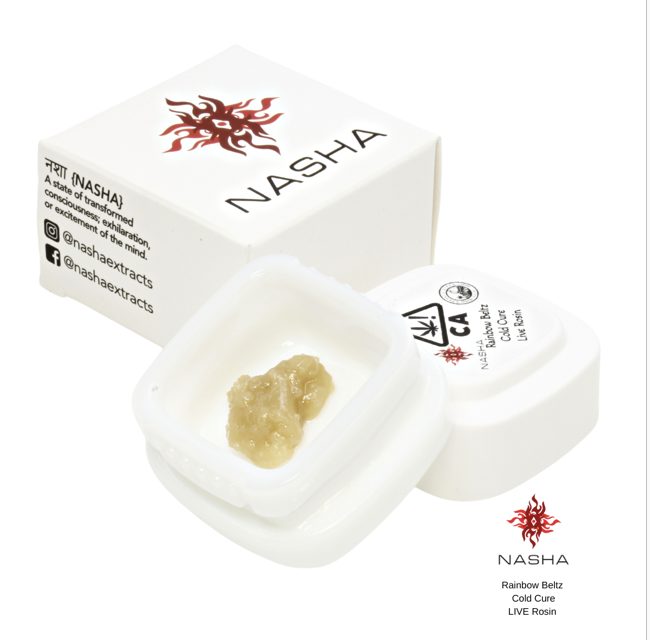
Cold-cure live rosin provides a format for experienced solventless consumers. Unpressed and pressed hash appeal to people who appreciate traditional methods. Infused pre-rolls make the category approachable. Live rosin vapes provide portability, while strain-specific edibles and tinctures bring the company’s solventless focus into formats that do not require smoking.
The challenge is maintaining quality and a recognizable point of view across all of those products.
A cannabis company can easily become disconnected from its identity when it attempts to enter every popular category. Nasha’s lineup remains coherent because the products continue to revolve around hash, resin and the character of the source material.
Its 2023 introduction of Onyx Label Live Hash is a strong example. Nasha described the release as its highest hash grade, using fresh-frozen cannabis and cold-water separation before hand-rolling the material into a pressed temple ball inspired by Indian charas traditions.
It is a product that combines historical inspiration with the consistency and presentation expected from a regulated California brand.
Watch the Nasha Hash Episode on the Respect My Region Podcast
The Respect My Region Podcast episode with Ben offers a closer look at Nasha’s approach to hash, cannabis classification and consumer education.
More importantly, the conversation gives viewers an opportunity to hear directly from someone representing the company rather than relying only on packaging language or dispensary menu descriptions.
Nasha occupies an interesting position in California cannabis. The company respects traditional hash culture but is not trapped by nostalgia. It works with Humboldt-grown cannabis while developing products for contemporary retail shelves. It also challenges familiar industry language when that language fails to communicate the full experience of the plant.
Hash has never needed to become trendy to remain relevant. It has survived because the process is direct, the culture is deep and a well-made product can communicate the quality of its source material immediately.
Nasha is helping carry that tradition forward—one temple ball, infused pre-roll and solventless product at a time.
Watch How Nasha Is Preserving the Art of Traditional Hash on the Respect My Region YouTube channel and follow RMR for more conversations with the people shaping cannabis cultivation, manufacturing, testing, retail and culture.
–
This article is intended for adults 21 and older in jurisdictions where cannabis is legal. Cannabis products may be intoxicating and should be kept away from children and pets. Do not drive or operate machinery after consuming cannabis.