What started as a phenotype hunt by Maine Trees has evolved into one of the most talked-about cultivars in cannabis. The Blue Lobster strain has won competitions, generated national demand, inspired new breeding projects, and helped introduce thousands of consumers to Maine’s rapidly growing reputation for producing elite craft cannabis.
Over the last decade, cannabis consumers have watched a handful of strains completely reshape the market. Cookies helped launch the modern exotic era. Gelato became a staple in breeding projects across the country. Sherbert evolved from a hyped California strain into the global cannabis brand Sherbinskis.
More recently, Apples & Bananas established itself as one of the most important modern genetic building blocks available to breeders. The same can be said of all of the “Z” that hit the market. The last 6 months to a year, Toad Venom and Frog Poison have been all the rage.
Back in 2023, another strain was all the rage.
The Blue Lobster.
While the flower itself deserves much of the attention it receives, Blue Lobster’s rise is also a story about genetics, breeding, and the importance of finding something genuinely unique in a market saturated with lookalike cultivars.
The success of the Blue Lobster strain didn’t happen by accident.
It happened because a team of growers recognized something special before everyone else did.
Exploring The Blue Lobster Strain
Long before consumers across California, New York, Florida, and other legal markets were hunting down Blue Lobster, breeder Chris Lynch of Cipher Genetics was developing the seed stock that would eventually produce the cultivar. The cross combined Apples & Bananas with Eye Candy, two modern genetics known for delivering strong terpene production, bag appeal, potency, and flavor.
On paper, the cross looked promising. In reality, nobody knew which phenotypes would emerge.
That’s the reality of cannabis breeding. Every seed represents a slightly different expression of the same genetic blueprint. Some plants become average. Some become exceptional. Most fall somewhere in the middle.
The challenge is identifying the rare one.
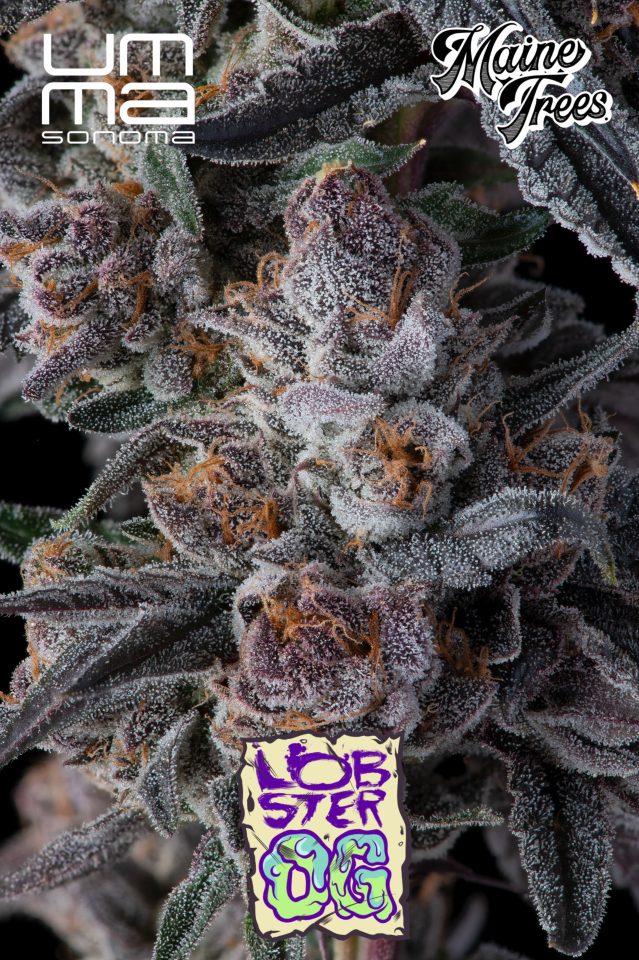
When Maine Trees began hunting through the population, one phenotype immediately separated itself from the rest. The plant displayed unusual coloration, exceptional resin coverage, unique terpene expression, and a flavor profile that didn’t resemble much else on the market.
The phenotype would eventually become known as Blue Lobster.
The name itself reflects the rarity of what the team believed they had discovered. Naturally occurring blue lobsters are famously rare. Maine Trees felt the same way about the plant they selected.
Years later, the market largely agrees.
Part of what makes Blue Lobster so important is that it arrived during a period when many cannabis strains were beginning to feel repetitive.
Walk into enough dispensaries and consumers eventually notice the pattern. Every menu contains another candy strain. Another dessert strain. Another variation of the same sweet, fruity terpene profile.
The Blue Lobster strain offered something different.
Consumers describe the aroma as a combination of berry candy, grape, cream, gas, citrus, and tropical fruit. The flavor changes throughout the experience, revealing different characteristics as the flower burns. Rather than overwhelming consumers with a single dominant note, Blue Lobster delivers layers.
That complexity has become one of the strain’s defining characteristics. For experienced cannabis consumers, complexity matters.
Anyone can grow flower that smells sweet. Producing flower that reveals multiple terpene expressions throughout the experience is far more difficult.
The strain’s breakthrough moment arrived during East Coast Zalympix.
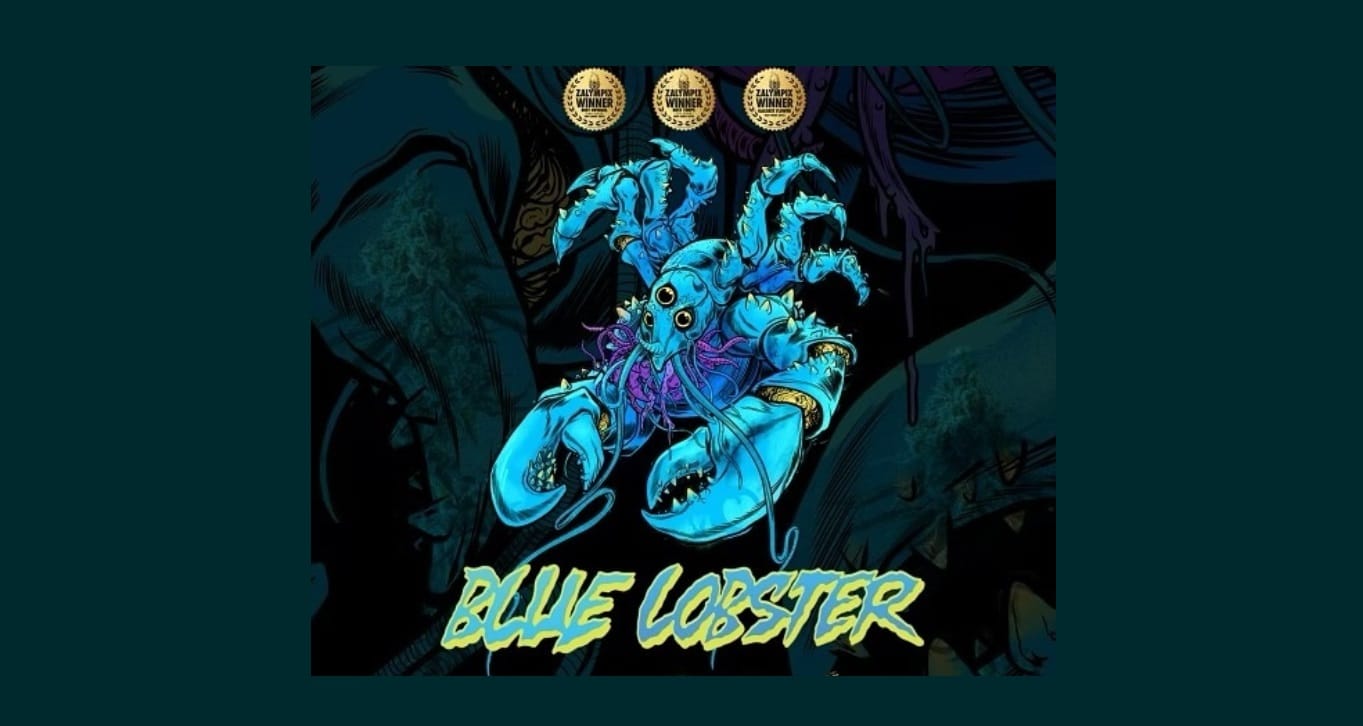
Among some of the most respected flower entries on the East Coast, Blue Lobster stood out immediately. The cultivar captured Best Terps and Gassiest while finishing near the top of the overall rankings. The results helped transform the strain from a regional favorite into a nationally recognized cultivar.
Suddenly growers wanted cuts.
Consumers wanted flower.
Breeders wanted access to the genetics.
The market took notice.
Among some of the most respected flower on the East Coast, Blue Lobster stands out immediately. For years, Maine cannabis operators have quietly built a reputation among serious cannabis consumers. While states like California, Colorado, Michigan, and Oregon received much of the industry’s attention, Maine cultivators focused on quality rather than publicity.
The state’s medical market allowed many operators to remain relatively small while developing exceptional flower. Maine Trees emerged from that culture.
Instead of pursuing large-scale production, the company built its reputation through cultivation quality, genetic selection, and consistency. The approach mirrors what consumers often celebrate in legacy cannabis markets: growers obsessed with finding the best plant rather than producing the most pounds.
Blue Lobster became the perfect example of that philosophy. Its success also highlights an increasingly important trend within cannabis.
As cultivation knowledge becomes more widespread, the gap between growers often narrows. Environmental controls improve. Nutrient programs become more sophisticated. Drying and curing practices become more standardized.
The biggest differentiator increasingly becomes genetics. A cultivator can only maximize the potential that already exists within a plant.
Finding elite genetics remains one of the most valuable skills in cannabis. Blue Lobster demonstrated exactly why.
The cultivar wasn’t simply another successful harvest. It became a foundation. Since its rise, breeders throughout the industry have begun incorporating Blue Lobster into new projects, hoping to capture some of the traits that made the original phenotype so successful.
This process is how cannabis families are born.
Just as Gelato spawned countless descendants and Runtz became a cornerstone of modern breeding, Blue Lobster is beginning to establish its own genetic legacy.
For Maine Trees, that may ultimately become the company’s greatest contribution. The brand will always be associated with the original Blue Lobster selection, but its broader impact lies in helping reinforce the importance of phenotype hunting, genetic preservation, and craft cultivation.
This is a cannabis industry increasingly driven by scale, automation, and production efficiency, Maine Trees continues to demonstrate that exceptional flower still starts with exceptional genetics.
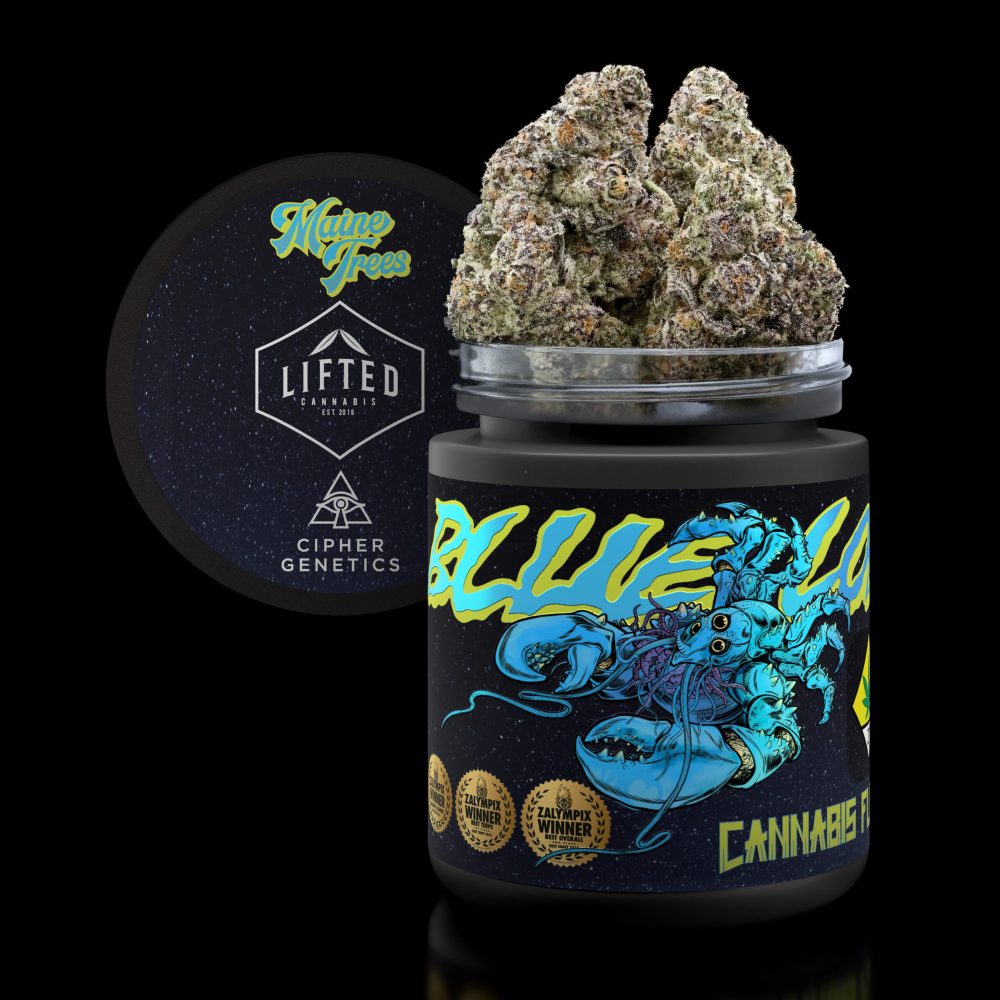
If you live in Washington State, consider supporting Maine Trees genetics and the Blue Lobster strain by purchasing Lifted Cannabis, pictured below. For California, keep your eyes peeled for UMMA Sonoma, pictured above.