
Sponsored Content: This article is sponsored by California Dog Kitchen. Respect My Region received compensation for publishing this content.
Veterinary professionals are increasingly discussing the role of nutrition in long-term canine health outcomes. Standard dry kibble dog food has served as the industry benchmark for convenience for decades. However, recent shifts in consumer demand suggest a preference for transparency and ingredient quality. Many pet owners now treat their animals as family members. This cultural change drives interest in human-grade dietary options. Veterinary clinics are noticing the physical effects of these dietary transitions during routine exams.
This content is for informational purposes only and is not intended as veterinary or medical advice. Pet owners should consult a licensed veterinarian before making significant changes to their dog’s diet.
Clinical Observations of Fresh Dietary Benefits
The Impact of Gentle Cooking
Research into canine nutrition often highlights the chemical changes that occur during high-heat processing. Most commercial kibble is extruded at extremely high temperatures. This process can create advanced glycation end-products (AGEs). These compounds are linked to oxidative stress in various species.
Dr. Ruth Roberts, DVM, notes that chronic inflammation is the root of many canine diseases. She explains that gently cooked fresh food may reduce the intake of pro-inflammatory AGEs found in scorched kibble.
Visible Improvements in Patient Health
The shift toward fresh meals often results in noticeable physical changes. Practitioners report improvements in skin condition and energy management. Dr. Barbara Royal, DVM, reports seeing a “fresh food glow” in her patients.
This may include improvements in coat quality and overall appearance. She also observes more stable energy levels when dogs switch from kibble to gently cooked meals. These clinical observations align with a broader movement toward whole-food nutrition in the veterinary field.
Transparency in Sourcing and Production Standards for Dog Food
The Role of Commercial Kitchens
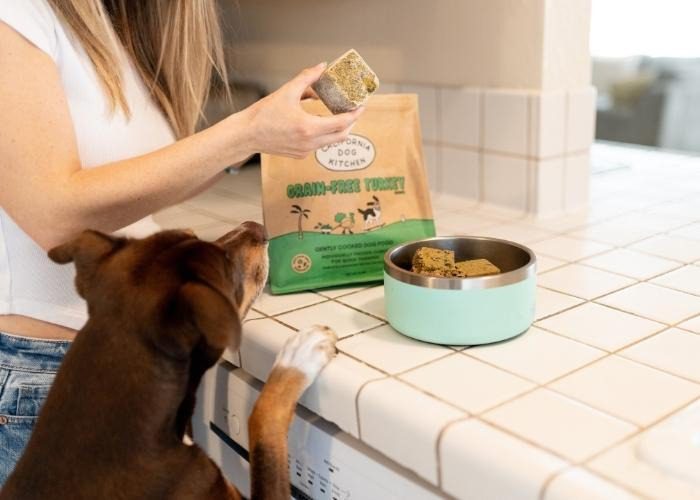
Consistency remains a primary concern for owners switching to fresh diets when it comes to dog food. Many brands outsource production to large co-packing facilities. California Dog Kitchen maintains control by preparing all meals in its own commercial kitchen in San Diego. This facility-specific approach allows for direct oversight of food safety protocols. It ensures that every batch meets specific internal standards before it reaches the consumer.
High-Quality Ingredient Certification
Sourcing standards distinguish premium fresh food from standard options. Some brands use feed-grade ingredients, which differ from human-grade standards. In contrast, fresh food from California Dog Kitchen uses human-grade protein and organic ingredients.
The company uses GAP-certified Organic Chicken and USDA-certified meats. These certifications provide a verifiable trail for the origin of the proteins. This transparency helps owners make informed decisions about what enters their pet’s digestive system.
Meeting Strict Industry Nutritional Standards
Compliance with AAFCO Profiles
Nutritional balance is essential for long-term health. Homemade meals often lack specific vitamins or minerals. Professional fresh-food formulations address this by adhering to established guidelines.
These products are formulated to meet the nutritional levels established by the AAFCO Dog Food Nutrient Profiles. This compliance covers all life stages. It includes the growth of large-sized dogs that will reach 70 pounds or more as adults.
Suitability for Allergy Management
Food sensitivities are a common reason for veterinary visits. Traditional kibble often contains various fillers or multiple protein sources. These can make it difficult to isolate specific allergens. Fresh food often utilizes limited ingredients. This makes it an allergy-friendly dog food option. By using clean, whole ingredients, owners can more easily manage their pet’s dietary requirements. This focus on simplicity may support digestive health in sensitive animals.
Sustainability and Corporate Responsibility in Pet Care
Environmental Impact of Packaging
The pet food industry generates significant plastic waste annually. Traditional bags often sit in landfills for centuries. Sustainable business models are emerging to counter this trend. Compostable packaging made of kraft paper with a vegetable-based liner is a viable alternative. This material is designed to break down in industrial composting environments, though timelines may vary depending on conditions. This shift reduces the long-term ecological footprint of pet ownership.
Support for Environmental Nonprofits
Corporate responsibility often extends beyond the product itself. Some companies integrate charitable giving into their business model. For example, 1% of all sales may go to environment-related nonprofits. These donations often support animal-related causes. This approach aligns the brand with the values of environmentally conscious consumers. It creates a cycle of support for the broader ecosystem.
Practical Implementation for Daily Feeding
Logistical Management and Storage
Fresh food requires different handling than shelf-stable dry food. These meals arrive in insulated shipping boxes with dry ice. Owners must store the product frozen to maintain freshness. Once moved to the fridge, the food stays fresh for five days. This system ensures that the nutrients remain intact without the need for artificial preservatives. It mimics the way humans store and consume their own perishable groceries.
Precision Feeding for Diverse Needs
Portion control is critical for preventing canine obesity. Fresh food brands often provide specific tools for accurate feeding. Standard guidelines suggest one 4-ounce cube for every 10 pounds of dog weight per day. A 40-pound dog would typically consume four cubes daily. Puppies and nursing dogs require two to three times this amount. Using a feeding calculator helps owners adjust portions if a dog gains or loses weight during the transition.
Recognition Within the Craft Food Community
The Good Food Guild Standards
Acceptance into specialized food organizations serves as a mark of quality. Only two pet food companies have earned a spot in the Good Food Guild (GFG). This organization unifies producers who balance local and organic objectives. The guild requires transparency about sourcing and high-quality ingredients. They confirm that members source locally and avoid GMO ingredients. This recognition places pet food producers alongside the highest quality human food crafters in the USA.
The demand for fresh, human-grade dog food continues to grow. Consumers are moving away from mystery ingredients and heavy processing. Veterinary support for these diets provides a foundation for this market expansion.
As more data becomes available, researchers continue to explore potential links between whole food diets and long-term health outcomes. Brands that prioritize sourcing and sustainability are well-positioned for the future. The shift from kibble to fresh food represents a significant change in pet care.
–
Respect My Region does not independently verify all product claims, ingredient sourcing, certifications, or operational practices described. Readers should review California Dog Kitchen directly for the most up-to-date and accurate information.