Sponsored Content Disclosure: This article is sponsored by CRD Somalia. Respect My Region received compensation for publishing this content. All cultural observations and commentary are presented for editorial and informational purposes.
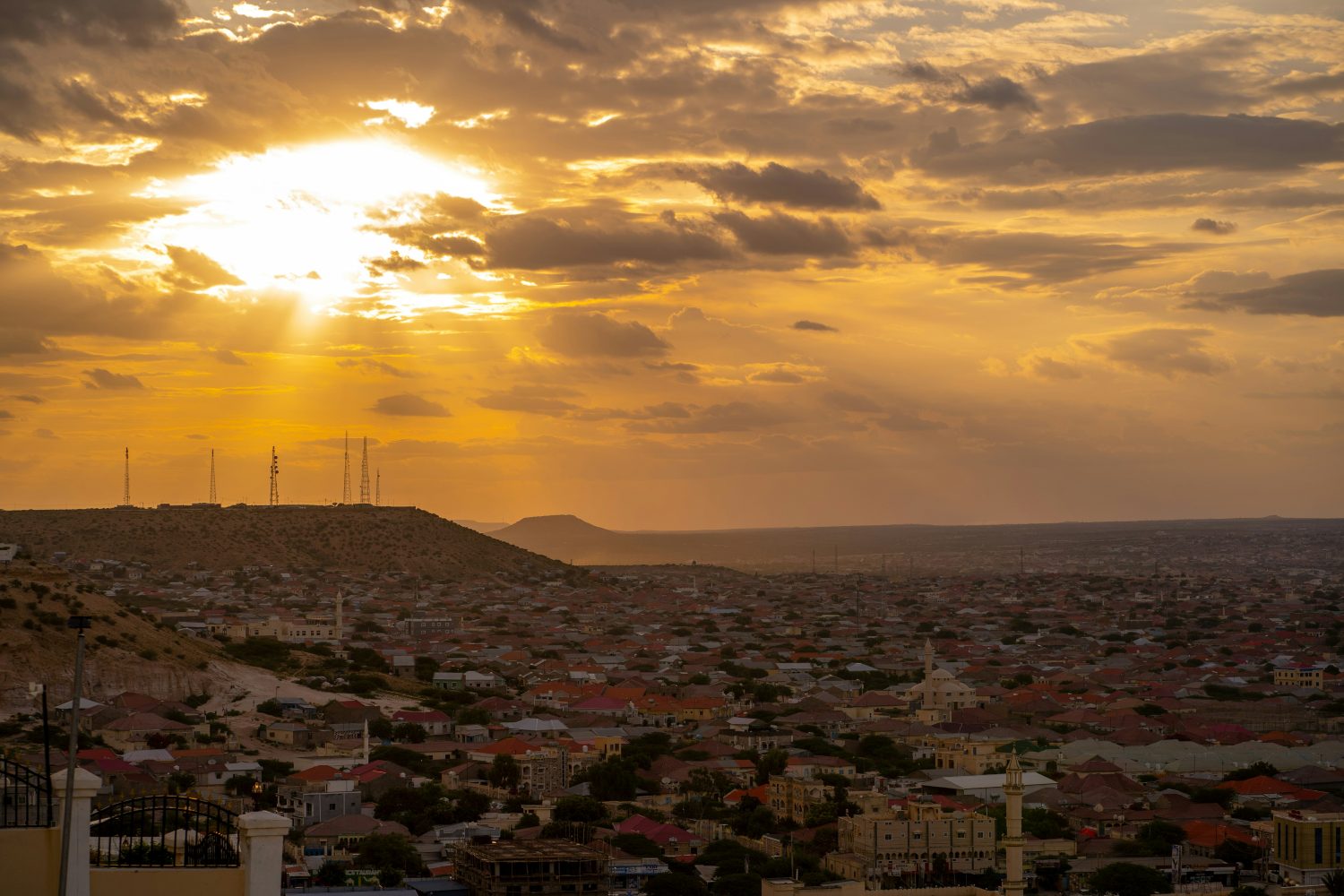
There is a version of Somalia that exists almost exclusively in news coverage, fragile, conflict-affected, in perpetual need of intervention. And then there is the version that exists in the studios, the fashion ateliers, the music videos shot against Mogadishu’s Indian Ocean backdrop, and the galleries where young Somali painters are working out what it means to be from this place, right now, in the twenty-first century. Those two versions of Somalia are not separate countries.
They exist in the same geography, sometimes in the same neighborhood. But the second one does not get nearly enough attention, and that imbalance does a disservice to a culture that has been producing remarkable creative work under conditions that would have silenced most artistic communities entirely. Digital platforms, including 1xBet Somalia, are part of the broader wave of online services reaching Somali audiences, who are increasingly engaging with global entertainment alongside the country’s own growing creative output.
This is a look at what that creative scene actually looks like: who is making it, what they are making, and why it matters beyond the borders of the country itself.
Responsible Gaming Disclaimer: Online betting and gaming may not be legal in all jurisdictions. Users are responsible for complying with local laws and should practice responsible gaming. This content is intended for audiences 18+ or the legal age in their region.
The Foundation: Somali Culture Has Always Been Creative
Before talking about what is new, it is worth grounding the conversation in what was always there. Somalia has one of the richest oral literary traditions in the world. Gabay – classical Somali poetry – is a form of such sophistication and social importance that it has historically been used to negotiate conflicts, celebrate achievements, and process collective grief. The country’s bardic tradition produced figures whose verses were memorized and recited across generations in the way that other cultures treated sacred texts.
Music has been similarly central. The heyday of Somali pop in the 1970s and early 1980s produced artists and songs that Somalis in the diaspora still know word for word, passed down like heirlooms through families scattered across three continents. That foundation did not disappear during the years of conflict. It went underground, it migrated, it adapted. And now it is surfacing again in forms that carry the old roots but grow in completely new directions.
Contemporary Music: The Diaspora Connection and the Mogadishu Beat
The most visible dimension of Somalia’s contemporary creative revival is music, and it is happening simultaneously in two places: inside Somalia and across the global Somali diaspora, with a constant conversation flowing between them.
Inside Mogadishu, a new generation of musicians has emerged who are producing music that mixes traditional Somali sounds – the distinctive pentatonic scales, the oud-influenced melodic structures – with Afrobeats, R&B, hip-hop, and electronic production. The results are genuinely original: not derivative of any single international genre but clearly in conversation with all of them.
Key characteristics of the contemporary Somali music scene:
- Heavy use of digital production tools that allow high-quality output without expensive studio infrastructure
- Lyrics that switch between Somali, Arabic, and English, reflecting the multilingual reality of modern Somali life
- Themes that range from love and identity to displacement, resilience, and the specific experience of growing up between cultures
- Music video production in Mogadishu that uses the city’s coastline, its architecture, and its street life as visual language
- Strong female voices, with women artists claiming space in a scene that was historically more male-dominated
In the diaspora – particularly in the United Kingdom, Sweden, Canada, and the United States – Somali artists have been building audiences that extend well beyond the community itself. Artists with Somali heritage have been charting in multiple countries, collaborating with internationally recognized names, and bringing a distinctly Somali sensibility to global pop music without feeling the need to explain or justify it.
Visual Art: Mogadishu’s Emerging Gallery Scene
The visual art scene inside Somalia is younger and smaller than the music ecosystem, but what is happening in Mogadishu specifically has caught the attention of people who follow contemporary African art seriously.
A handful of galleries and creative spaces have opened in the city over the past several years, providing physical venues where artists can show work publicly – something that was essentially impossible for a long stretch of Somalia’s recent history. These spaces are doing more than just displaying paintings. They are creating infrastructure: regular exhibitions, artist residencies, conversations between Somali artists and international curators who are increasingly making the trip to Mogadishu specifically to see what is happening there.
| Art form | Key characteristics | Where it is happening |
| Painting | Abstract, identity-focused, bold color | Mogadishu galleries, diaspora exhibitions |
| Photography | Documentary and fine art traditions merging | Mogadishu, London, Minneapolis |
| Digital art | Social media native, global reach | Online, diaspora cities |
| Sculpture | Emerging, limited but growing | Mogadishu, academic settings |
| Street art/murals | Urban revival aesthetic | Mogadishu neighborhoods |
| Film/video art | Short form, festival circuit | International Somali film festival circuit |
The themes running through contemporary Somali visual art are not hard to identify. Identity – what it means to be Somali, what gets lost in diaspora, what gets preserved – appears constantly. Memory and archive are significant preoccupations: artists working with old photographs, family documents, fragments of a pre-war visual culture that exists now mostly in private collections. And then there is something harder to name – a quality of defiance, maybe, or of insistence on being seen in full complexity rather than reduced to a single narrative.
For coverage of Somali cultural events and creative community developments, Goobjoog News regularly features arts and culture reporting alongside its broader news coverage and is one of the more reliable domestic sources for tracking the creative scene’s evolution.
Fashion: Redefining Somali Aesthetics for a Global Audience
Somalia-centric fashion is having a moment that feels both sudden and entirely inevitable. Designers with Somali heritage have been making significant noise in international fashion weeks, creating work that draws on the rich textile traditions of East Africa and the Horn while engaging fluently with contemporary global fashion conversation.
What makes Somali fashion design particularly interesting right now is the negotiation it performs between tradition and modernity – not as a tension to be resolved but as a creative resource to be exploited. The dirac, the traditional Somali women’s dress with its lightweight fabric and vivid color palette, has been reimagined by young designers in ways that would be at home in Paris or Milan while remaining unmistakably connected to their origin.
What is driving the Somali fashion moment:
- Diaspora designers with both Somali cultural literacy and international fashion education bringing both fluencies together
- Social media platforms providing direct routes to global audiences without needing traditional fashion industry gatekeepers
- A growing appetite within international fashion for aesthetics that are genuinely original rather than another variation on familiar European or American references
- Younger Somalis – inside the country and in diaspora – embracing traditional dress elements with pride rather than treating them as something to be set aside in favor of Western styles
- Increasing investment in modest fashion globally, which naturally intersects with Somali design traditions
The Digital Infrastructure of Somali Creativity
One of the most significant developments in Somalia’s contemporary creative scene is how thoroughly it has migrated to digital platforms. This is not unique to Somalia, of course – the digitization of cultural production is a global story — but it has particular significance in a country where physical infrastructure for cultural distribution has been limited.
YouTube channels run by Somali musicians based in Mogadishu have hundreds of thousands of subscribers. Instagram accounts belonging to Somali fashion designers reach audiences across multiple continents. Somali podcasters and commentators discuss art, music, and culture in ways that would have required expensive broadcasting infrastructure twenty years ago but now require only a smartphone and a reasonable internet connection.
This digital orientation also means that the creative ecosystem inside Somalia and the one in the diaspora are genuinely connected in real time, not just historically linked. An artist in Mogadishu and an artist in Minneapolis are part of the same conversation in ways that previous generations of Somali creatives never had the infrastructure to enable.
The Somali National Olympic Committee and other national institutions have increasingly recognized that cultural soft power – including music, art, and fashion – contributes to national identity and international perception in ways that complement the work being done in sport and governance.
A Note on Entertainment and the Creative Economy
As Somalia’s creative scene has grown, so has the broader entertainment ecosystem surrounding it. Audiences that follow Somali music and culture have diversified their digital entertainment habits significantly. The 1xbet casino platform and the wider 1xbet for Somali players offering exist within this same expanding digital entertainment landscape – one where Somali audiences are increasingly sophisticated consumers of multiple forms of online engagement, from streaming music to sports betting to interactive gaming.
What the World Still Does Not Fully See
The international perception of Somali creativity still lags behind the reality. When Somali artists get coverage in international media, it is often framed around the difficulty of their circumstances – the resilience narrative – rather than the actual quality and originality of the work itself. That framing, however well-intentioned, is its own kind of limitation.
The artists, musicians, and designers themselves are increasingly impatient with it. They want their work discussed on its own terms: technically, aesthetically, in conversation with the broader global creative conversation rather than perpetually contextualized by conflict.
That impatience is, itself, a sign of maturity. You only get frustrated by being defined by your circumstances when you are confident enough in your work to know it deserves better.
–
Editorial & Cultural Disclaimer:
This article reflects a cultural and observational perspective on Somalia’s contemporary creative scene. It does not represent a comprehensive account of all communities, regions, or viewpoints within Somalia or the global Somali diaspora.
Responsible Gaming Disclaimer:
Any references to betting or gaming platforms are for contextual purposes only and do not constitute an endorsement. Online betting may not be legal in all jurisdictions. Users must comply with local laws and should practice responsible gaming. This content is intended for audiences 18+ or the legal age in their region.