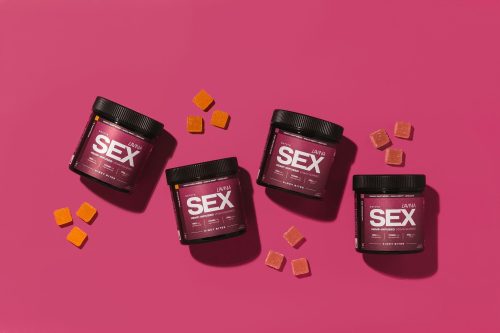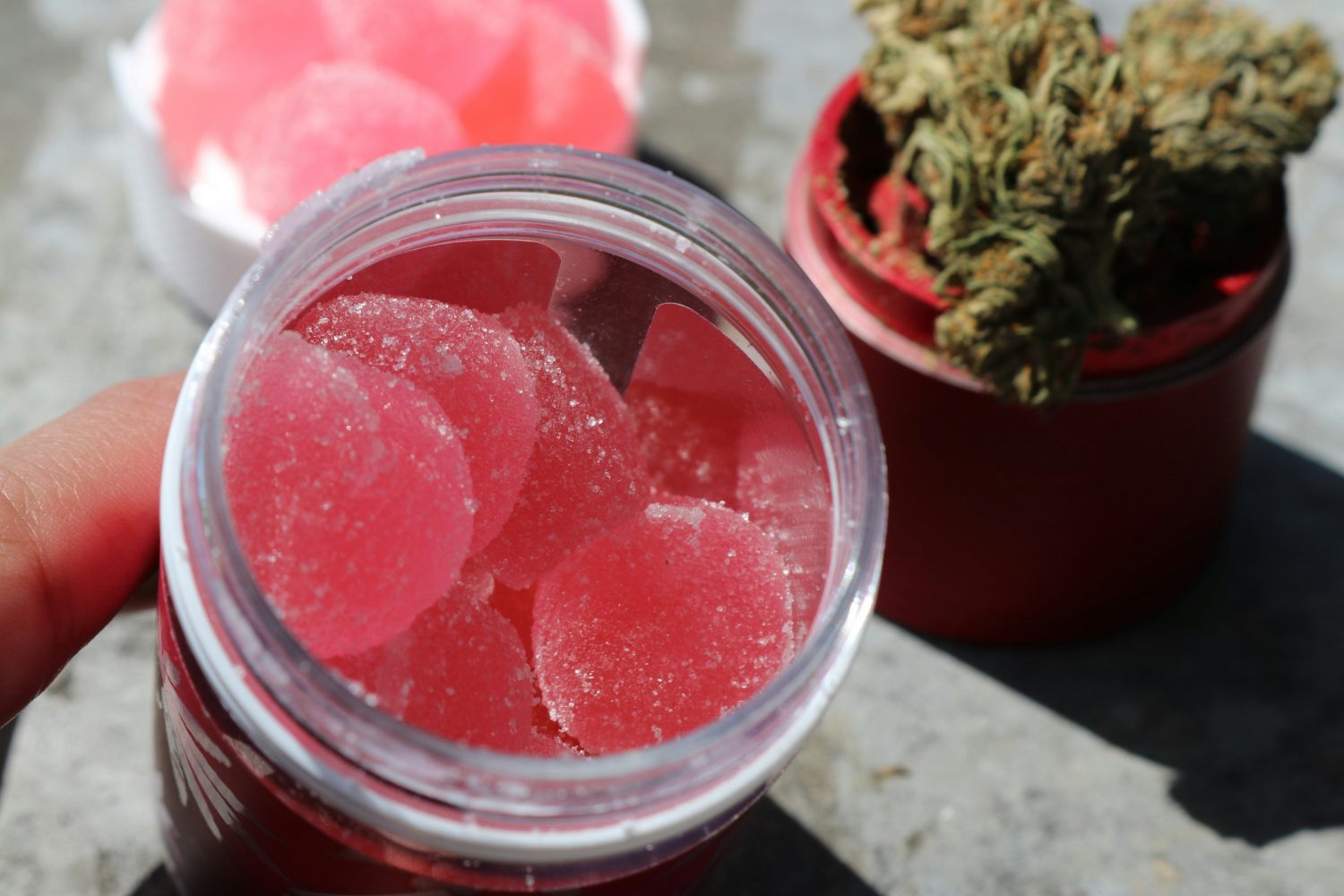
Walk into an adult-use legal weed dispensary and grab a pack of THC gummies. Then go online and order a “hemp-derived Delta-9” gummy pack. On paper, hemp gummies and weed gummies can both say Delta-9 THC. For a lot of people, that raises the same question every time. Is this actually the same thing, and does it hit the same? Will they both get me high?
The short answer is yes, but the way you get there, how it’s sold, and how it’s regulated are completely different.
Let’s clear the biggest misconception first.
Delta-9 THC Is Delta-9 THC
Delta-9 THC is the same compound whether it comes from hemp or cannabis. It’s the primary psychoactive cannabinoid responsible for the high most people associate with weed. Once it’s in your system, your body doesn’t care where it came from.
That means if you take enough hemp-derived Delta-9, it can absolutely get you high.
The difference isn’t the molecule. It’s how the product is made, how much is in it, and how it’s legally allowed to be sold.
This is where the split starts.
How Hemp Delta-9 Became a Thing
The 2018 Farm Bill legalized hemp at the federal level as long as it contains no more than 0.3 percent Delta-9 THC by dry weight. That rule created an opening. Instead of focusing on percentage alone, brands started looking at total weight.
In simple terms, a gummy can weigh enough overall that it still falls under that 0.3 percent threshold, even if it contains a noticeable dose of THC.
That’s why you now see hemp-derived Delta-9 gummies being sold online and shipped across state lines. They’re built to technically comply with federal hemp rules, even though the experience can feel similar to a dispensary edible.
Cannabis Delta-9: The Traditional Route
Cannabis-derived Delta-9 is what you’ll find in licensed dispensaries. It exists inside state-regulated systems with defined potency limits, testing requirements, and distribution controls.
When you buy a THC product from a dispensary, you’re buying something that’s been tested, tracked, and taxed within that system. The experience is usually more consistent, and the labeling tends to be clearer around dosage and effects.
That doesn’t automatically make it stronger. It just means the structure around it is more established.
Do They Feel the Same?
This is where things get more subjective, but also more real. A properly dosed hemp-derived Delta-9 edible can feel very similar to a cannabis edible. The high can still include the same core effects, euphoria, relaxation, body sensation, depending on dosage and tolerance.
Where differences can show up is in consistency and formulation.
Some hemp-derived products are made extremely well, clean extraction, accurate dosing, verified lab results. Others are less reliable, with inconsistent potency or questionable inputs.
Cannabis products, because they’re tied to state systems, often have more standardized testing. But even there, not every product hits the same.
At the end of the day, the experience depends less on whether it’s hemp or cannabis, and more on the quality of the product and how much you take.
The Legal Line Is Where Everything Changes
This is the part that matters most for consumers. Hemp-derived Delta-9 exists in a federal gray area that allows it to be sold more widely, especially online. But states are starting to step in and create their own rules, restricting or regulating these products in different ways.
Cannabis-derived Delta-9 is still federally illegal, but legal within state cannabis programs where it’s been approved.
So you end up with a situation where:
– A hemp Delta-9 gummy might be easier to buy online
– A cannabis Delta-9 edible might be easier to trust for consistency
That tradeoff is something more consumers are starting to understand in 2026.
What About Drug Tests?
This is where people get caught off guard. Delta-9 is Delta-9 when it comes to drug testing.
If you consume hemp-derived Delta-9 or cannabis-derived Delta-9, there is a real chance it will show up on a drug test. Your body metabolizes THC into the same compounds regardless of source.
So if you’re trying to avoid testing issues, the source doesn’t protect you.
The line between hemp and cannabis is getting thinner from a consumer perspective, but more defined from a regulatory one.
Hemp-derived THC products have opened access in states without legal cannabis, and they’ve created a new category that’s growing fast. At the same time, regulators are paying closer attention, and some states are tightening rules around what’s allowed.
Cannabis markets, on the other hand, are continuing to build out structured systems with licensing, testing, and retail experiences that hemp can’t fully replicate.
Both are growing. Both are evolving. And both are competing for the same customer in different ways.
Hemp Delta-9 and cannabis Delta-9 can both get you high. The difference isn’t the effect, it’s everything around it. How it’s made, how it’s regulated, where you buy it, and how consistent the experience is. If you understand that, you’re already ahead of most people navigating this space right now.
As hemp-derived THC products continue to expand and cannabis markets mature at the state level, the conversation around Delta-9 is becoming more focused on quality, transparency, and compliance.
From brands developing hemp-derived edibles to licensed cannabis operators and third-party testing labs, companies across the industry are working to define standards that consumers can actually trust.
As more people explore both hemp and cannabis options, the emphasis is shifting toward verified potency, consistent dosing, and products that align with evolving regulations across different markets.
–
For more updates, subscribe to the official RespectMyRegion.com podcast and newsletter!