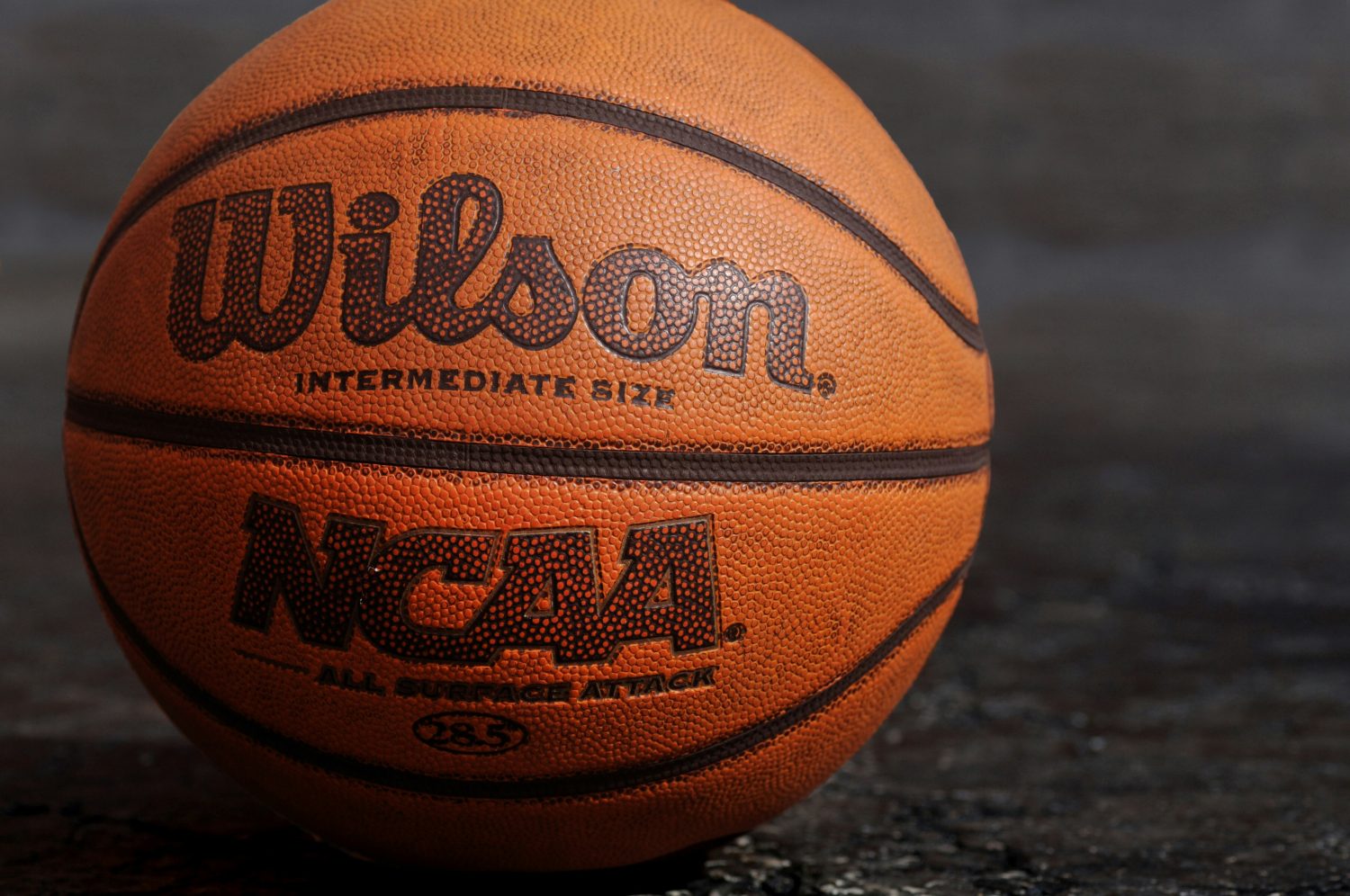
The 2026 NCAA Women’s National Championship ended with UCLA Bruins women’s basketball taking control early and never giving it back, closing out South Carolina Gamecocks women’s basketball 79–51 in a game that steadily widened from the first quarter through the final minutes.
UCLA set the tone right away, spacing the floor, attacking gaps, and forcing South Carolina into defensive rotations that didn’t recover fast enough. The Bruins didn’t rush possessions. They moved the ball, found clean looks, and kept pressure on the interior and perimeter at the same time.
South Carolina opened with physicality, trying to establish their usual presence inside, but UCLA’s defensive positioning cut off easy entries and forced tougher shots early in the clock. That created long rebounds, transition opportunities, and quick momentum swings that started stacking in UCLA’s favor.
UCLA Dominates The 2026 National Championship
UCLA didn’t ease into the 2026 NCAA Women’s National Championship, they took it immediately.
Within the first five minutes, the Bruins had already built a double-digit lead, jumping out 14–3 and forcing South Carolina into uncomfortable possessions from the start. Kiki Rice capped the opening quarter with a buzzer-beating three that pushed UCLA ahead 21–10, setting the tone for the rest of the game.
Inside, Lauren Betts controlled the paint early, altering shots and securing rebounds, while Gabriela Jaquez started to find her rhythm offensively. South Carolina struggled to generate clean looks, shooting just 17% in the opening quarter, their lowest of the season.
The second quarter didn’t shift much.
UCLA continued to play through its structure, getting contributions across the lineup while limiting South Carolina’s second chances. By halftime, the Bruins had extended the lead to 36–23, maintaining control through defensive stops and efficient half-court offense.
South Carolina, led by Joyce Edwards and Tessa Johnson, couldn’t establish consistency. Entry passes were disrupted, perimeter shots didn’t fall, and possessions often stalled late in the clock.
The game broke open in the third quarter.
UCLA outscored South Carolina 25–9 in that stretch, turning a controlled lead into a runaway. Defensive pressure intensified, forcing turnovers and rushed decisions, while the Bruins converted on the other end without wasting possessions.
By the end of the third, UCLA led 61–32.
Jaquez and Betts carried the stretch, combining for a dominant inside-out presence. Jaquez finished the game with 21 points, 10 rebounds, and 5 assists, while Betts added 14 points and 11 rebounds, earning Most Outstanding Player honors.
The fourth quarter played out with UCLA maintaining control.
All five Bruins starters finished in double figures, including Gianna Kneepkens with 15 points, and Charlisse Leger-Walker and Rice each adding 10.
South Carolina never found a sustained run. The Gamecocks finished with just 51 points, their lowest output of the season, as UCLA closed out a 79–51 win without ever trailing.
The difference showed up possession by possession.
UCLA controlled tempo, limited mistakes, and finished plays. South Carolina struggled to string together stops and scoring sequences.
The closing minutes reflected the full game. UCLA stayed composed, continued to run offense, and finished out the clock without disruption.
The 2026 title adds another chapter to UCLA’s program history, built on execution that held steady from start to finish in the biggest game of the season.
UCLA’s depth showed up across the entire rotation, not just in scoring, but in decision making and defensive consistency. Every lineup that hit the floor maintained spacing, communicated on switches, and stayed disciplined within the system. There were no drop-offs, no stretches where the game drifted. That continuity kept South Carolina from finding any matchup to exploit.
On the glass, UCLA controlled both ends. Defensive rebounds ended possessions cleanly, limiting second chances that South Carolina typically turns into momentum. On the offensive side, extra possessions added to the gap, especially during the third quarter when the game shifted fully out of reach.
For South Carolina, the physicality was still there, but the rhythm never followed. Joyce Edwards and Tessa Johnson had stretches where they created looks, but those moments didn’t build into extended runs. UCLA’s defensive pressure forced difficult shots, and when opportunities did open up, they didn’t fall consistently.
On the sideline, South Caroline Head Coach Dawn Staley made adjustments throughout the game, mixing defensive looks and trying to generate pace, but UCLA stayed composed against every shift. The ball didn’t stick, the spacing didn’t collapse, and the turnovers never came in bunches.
For UCLA, this performance reflects incredible progression under Cori Close.
Over multiple seasons, the program has built around structure, development, and execution, and this game showed that system operating without hesitation. Every possession had purpose, and every adjustment was handled without disruption.
The final stretch of the game stayed consistent with everything that came before it. UCLA continued to execute through half-court sets, secure rebounds, and close out defensive possessions. South Carolina continued to compete, but the gap remained unchanged.
By the time the final buzzer hit, the result matched the flow of the entire night.
UCLA controlled the game from the opening minutes through the final possession, finishing a championship performance that never shifted off course.
–
The 79–51 final score, the early UCLA run, and the way the game played against the spread all stayed part of the conversation after the buzzer.
UCLA vs South Carolina, NCAA Women’s Championship 2026 stats, March Madness final score, and the full box score all tracked with how the betting odds and live lines moved throughout the night. UCLA’s 14–3 start flipped the spread early and shifted in-game betting lines heavily in their direction, while the total continued to trend under as South Carolina struggled to find consistent scoring.
By the second half, the margin and pace aligned clearly with where the odds had settled, with UCLA covering comfortably and the total landing in line with the game flow. Postgame numbers reflected across platforms like ESPN and the NCAA matched what played out possession by possession, from scoring differential to second half lines and closing totals.
–
For more updates and information, subscribe to the official RespectMyRegion.com newsletter at our home page.