This article is sponsored by Nang Wizard.*
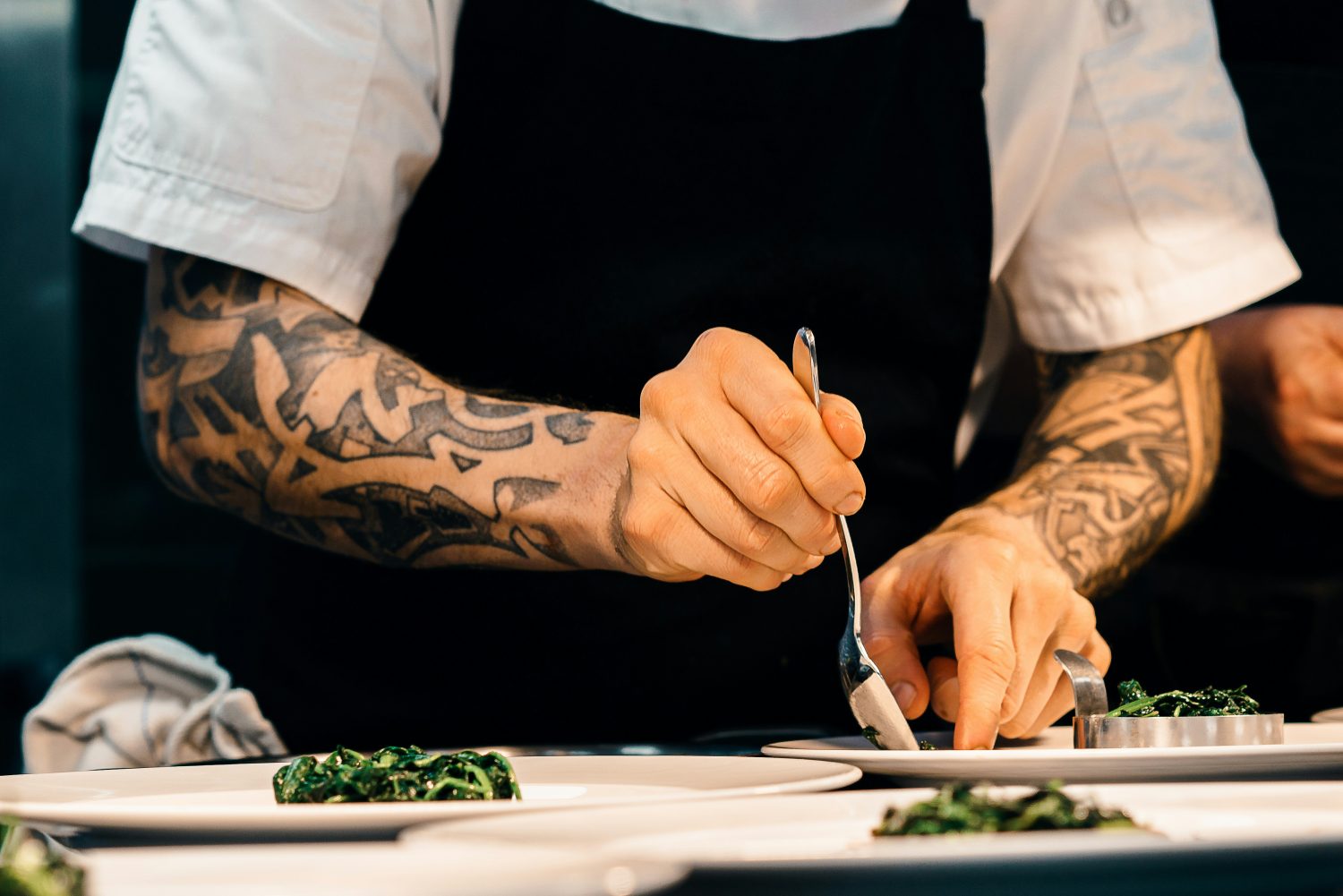
Professional kitchens move fast. Decisions are made on instinct, equipment is chosen for reliability, and ingredients are valued for consistency over novelty. What is interesting is how closely these priorities now mirror the way serious home cooks think about their own kitchens. Across Australia, chefs are shaping a quieter shift away from trend-driven gadgets and towards tools that deliver dependable results every day.
The modern Australian chef does not cook in isolation from the home kitchen. Many run pop-ups, host private dinners, publish recipes, or cook at home for their families. The essentials they reach for daily reflect this overlap. These are not luxury showpieces but practical items refined through repetition, service pressure, and a deep understanding of technique.
Understanding these essentials offers useful insight for home cooks who want restaurant-level results without overcomplicating their setup.
A Philosophy Built on Simplicity and Precision
Australian chefs are known for a pragmatic cooking culture shaped by seasonal produce and multicultural influence. Institutions such as TAFE culinary programs and leading hospitality groups consistently emphasise technique before tools. The message is clear across professional kitchens: equipment should support skill, not replace it.
This mindset has filtered into everyday kitchen choices. Chefs value items that allow precise control, repeatable outcomes, and minimal waste. Whether preparing a simple weekday meal or plating a refined dish for service, the same core tools appear again and again.
At home, this philosophy translates into fewer gadgets and more confidence. When chefs invest in an item, it is because it earns its place through daily use.
Knives That Feel Like an Extension of the Hand
Few tools matter more than a knife. Australian chefs tend to favour well-balanced chef’s knives with modest blade lengths that suit both fine prep and heavier tasks. Brands vary, but the common thread is comfort and sharpness rather than status.
A properly maintained knife reduces prep time, improves accuracy, and lowers the risk of injury. Culinary educators and professional associations consistently stress knife skills as foundational, reinforcing why chefs prioritise a blade they trust over a drawer full of alternatives.
At home, adopting this approach means investing in one or two quality knives and learning how to sharpen and care for them. It is one of the simplest ways to elevate everyday cooking.
Heat Control as a Core Skill
Ask any Australian chef what separates a competent cook from a confident one, and heat control will be high on the list. This is why cookware choices matter so much.
Heavy-based pans, cast-iron skillets, and stainless steel saucepans dominate professional kitchens. They respond predictably to changes in temperature and distribute heat evenly. These qualities are essential for tasks such as searing proteins, reducing sauces, or gently cooking delicate ingredients.
Home cooks often underestimate how much cookware influences outcomes. Chefs choose pans that allow them to focus on timing and technique rather than compensating for hot spots or thin bases. This same logic applies at home, where fewer but better pieces outperform crowded cupboards.
Tools That Enhance Texture and Finish
Texture plays a critical role in how food is perceived. Crispness, creaminess, and lightness are not accidents but the result of controlled processes. In restaurant kitchens, chefs rely on specific tools to achieve these finishes efficiently.
Whisks, immersion blenders, and fine strainers are staples, but modern kitchens also incorporate equipment that supports precision without adding complexity. For example, cream chargers are widely used in professional settings for aerating sauces, stabilising foams, and finishing desserts cleanly. Their popularity reflects a broader industry trend towards tools that deliver consistent texture with minimal waste.
For home cooks in urban centres, access to items like cream chargers in Melbourne has made these techniques more approachable, allowing restaurant methods to be adapted thoughtfully to domestic kitchens without turning cooking into performance.
Storage and Organisation as Performance Tools
In professional kitchens, organisation is not aesthetic but functional. Ingredients are stored to preserve freshness, tools are placed for efficiency, and everything has a purpose.
Australian chefs bring this discipline home. Airtight containers, clear labelling, and logical pantry layouts reduce food waste and decision fatigue. Research from food sustainability organisations frequently highlights proper storage as one of the most effective ways to extend ingredient life, reinforcing why chefs treat it as essential rather than optional.
At home, this approach simplifies cooking. When ingredients are visible and accessible, meals come together faster and with less stress.
Ingredients That Deliver Consistency
Chefs are selective not only about tools but also about pantry staples. Neutral oils with high smoke points, reliable vinegars, quality salts, and versatile flours appear across Australian kitchens regardless of cuisine.
These ingredients provide a dependable base for improvisation. Rather than chasing novelty, chefs rely on products that behave predictably across applications. This consistency is especially important in professional environments but is equally valuable at home, where time and attention are limited.
Industry trends show a growing appreciation for fewer, better pantry items sourced responsibly. Chefs are often early adopters of this mindset, valuing quality and versatility over excess.
Bridging Professional Technique and Home Cooking
One of the most notable shifts in recent years is how openly chefs share professional techniques with home audiences. Cooking shows, books, and workshops emphasise process and reasoning rather than rigid recipes.
The tools chefs choose support this teaching approach. Equipment that allows visible results, such as controlled emulsions or stable foams, helps demystify advanced techniques. When these tools become accessible to home cooks, the gap between restaurant and domestic cooking narrows in meaningful ways.
This is not about turning home kitchens into commercial spaces but about empowering cooks to understand why techniques work and how to apply them confidently.
A Kitchen Defined by Intentional Choices
The essentials Australian chefs reach for daily are not defined by trends or price tags. They are shaped by experience, efficiency, and respect for ingredients. Each item earns its place by contributing to better outcomes with less effort.
For home cooks, the lesson is not to replicate a professional kitchen but to adopt its priorities. Choose tools that support skill, invest in items that deliver consistency, and let go of clutter that distracts from the act of cooking.
A well-equipped kitchen is not about abundance. It is about alignment between tools, technique, and intention. Australian chefs demonstrate this balance every day, both at work and at home.
By focusing on essentials that enhance control, texture, and organisation, home cooks can create meals that feel thoughtful and satisfying without unnecessary complexity. The result is a kitchen that works with you rather than against you.
In the end, the most valuable takeaway from professional kitchens is not a specific product but a mindset. Cook with purpose, choose tools wisely, and let simplicity guide your decisions. This is how restaurant-level confidence finds its way into everyday home cooking.
–
Sponsored Content Disclosure:
This RespectMyRegion.com article is sponsored by Nang Wizard. Compensation was provided for the creation and placement of this content. All editorial perspectives are intended for informational purposes and reflect general industry practices.
Safety, Legal, and Informational Disclaimer:
This article is for general informational and educational purposes only. It does not constitute professional culinary, medical, or safety advice. Products referenced, including cream chargers and related kitchen tools, should be used responsibly, in accordance with local laws, age restrictions, and manufacturer guidelines. Readers are responsible for ensuring lawful and appropriate use in their jurisdiction.