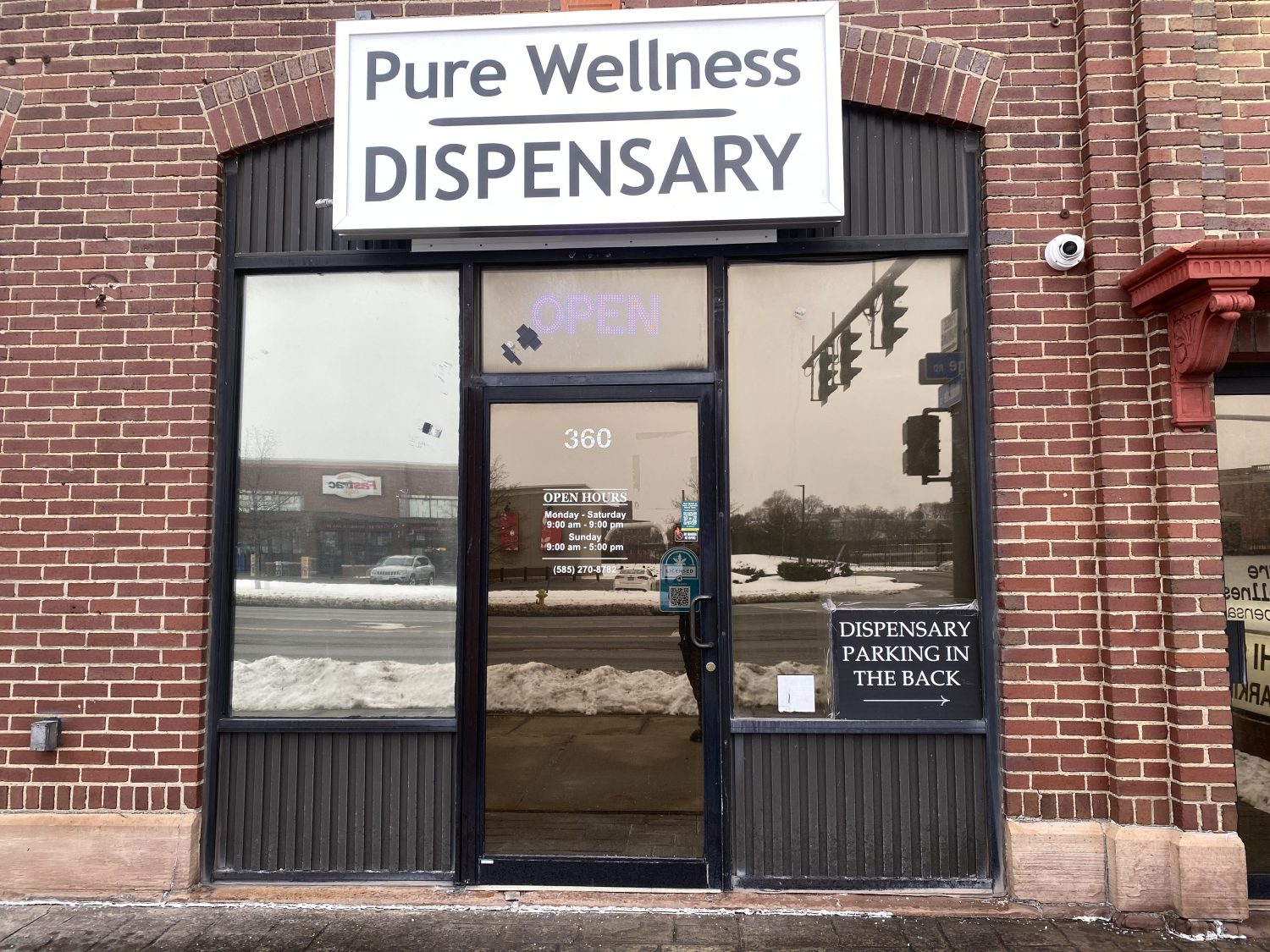
New York’s legal cannabis market has been anything but simple. Between shifting regulations, delayed rollouts, municipal resistance, and intense competition, opening a dispensary in the state, or a city like Rochester, requires more than capital or hype. It takes patience, compliance discipline, community trust, and a long-term mindset.
Rather than chasing trends or shortcuts, Alesha King-Chambers, Founder and Owner of Pure Wellness Dispensary in Rochester, New York, has focused on building a dispensary rooted in education, compliance, and consistency.
Her and I recently had a wonderful conversation that really pulls back the curtain on what it really takes to survive and grow in New York’s evolving cannabis market, and why many dispensaries struggle while a smaller number build lasting brands.
Role in New York Cannabis
While much of the attention around New York cannabis focuses on New York City, cities like Rochester are quietly building strong, localized cannabis ecosystems. These markets move differently.
Community reputation matters more. Word of mouth travels more localized. Operators cannot afford to hide behind flashy marketing without substance.
Alesha speaks openly about the responsibility that comes with opening a dispensary in a city like Rochester. For many customers, legal cannabis is still new. Education, transparency, and trust are not optional, they are foundational.
Pure Wellness Dispensary positions itself as a wellness-oriented retail space, not just a place to transact. That philosophy influences everything from staff training to product selection to customer interactions.
Navigating New York’s Regulatory Reality
One of the most valuable parts of this conversation is Alesha’s candid breakdown of New York’s regulatory environment. Launching a compliant dispensary requires navigating layers of state oversight, licensing requirements, and local approvals, all while timelines continue to shift.
New York’s cannabis framework has tested operators’ patience. Delays in licensing, uncertainty around enforcement, and evolving rules have forced business owners to remain flexible without cutting corners.
She explains that compliance is a daily operational commitment. From inventory tracking to advertising restrictions to employee training, dispensaries must stay aligned with regulations that continue to evolve.
For Pure Wellness, that meant investing time and resources into building compliant systems from day one, even when shortcuts might be tempting.
One theme that comes up repeatedly in this episode is education.
In New York, many consumers are entering legal dispensaries for the first time. They are curious but often unsure about products, dosing, and differences between brands.
Alesha emphasizes that dispensaries that prioritize education create better customer experiences and reduce long-term risk. Educated customers make more informed purchases, feel safer consuming, and are more likely to return.
Staff training becomes a major differentiator. Budtenders are not just salespeople, they are educators, guides, and brand ambassadors. Pure Wellness focuses on ensuring staff understand product categories, effects, sourcing, and responsible use.
This approach builds trust and helps separate compliant dispensaries from illicit or gray-market alternatives.
New York’s cannabis market is crowded, not just with licensed operators but with years of unregulated sales that shaped consumer habits.
Winning trust requires more than having a license on the wall.
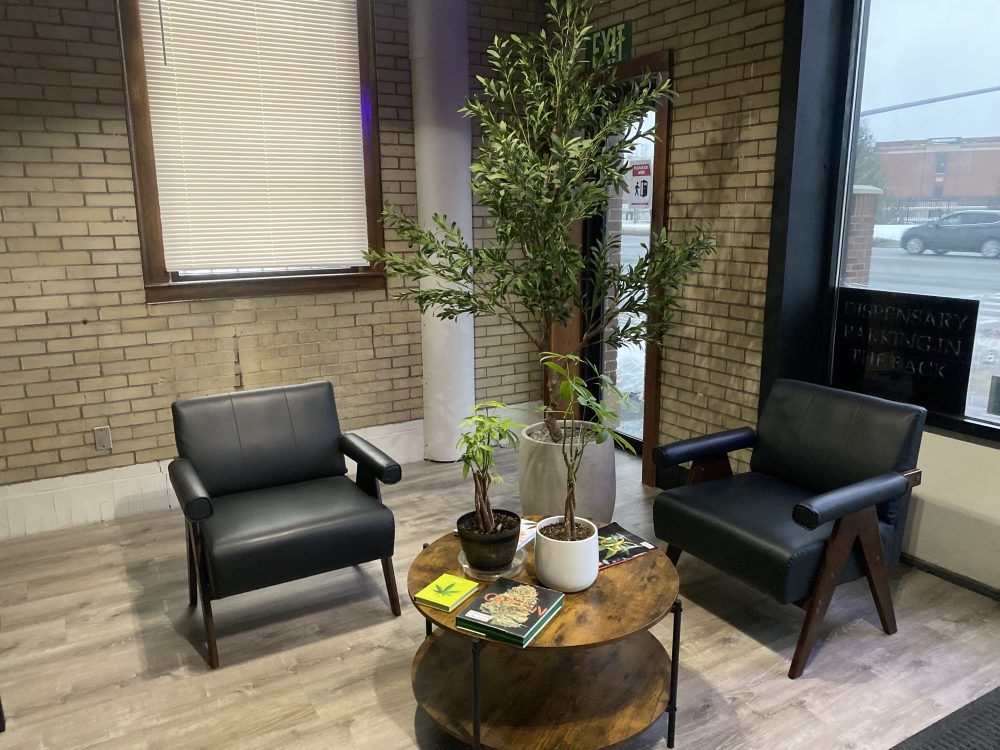
Pure Wellness has focused on creating a welcoming environment where customers feel respected, not rushed or upsold. That approach supports repeat business and long-term brand loyalty.
Brand Selection and Product Standards
Another major topic covered in the episode is brand curation. New York’s licensed market includes a growing number of cultivators and manufacturers, all competing for shelf space.
Alesha shares insights into how dispensaries evaluate brands beyond packaging and hype. Factors like consistency, transparency, production standards, and consumer feedback matter. Operators have to protect their reputation by choosing partners carefully.
The brands and products she discusses on the episode are great examples of items that people should be considering when it comes to cannabis. As the market matures, dispensaries that maintain quality standards will outlast those chasing short-term margins.
Dispensaries that treat cannabis like a fast flip often struggle when regulations tighten or margins compress. Pure Wellness has taken a slower, more intentional approach, focusing on sustainability rather than speed.
Cannabis legalization in New York carries social responsibility. Dispensaries are not just businesses, they are community stakeholders.
Community trust is earned through actions, not slogans.
Despite the challenges, there is optimism. Operators like Alesha are proving that it is possible to build dispensaries rooted in integrity, education, and long-term thinking.
This episode of the Respect My Region New York Cannabis Podcast offers a grounded, honest look at what it takes to operate a dispensary in New York today. Alesha King-Chambers represents a new generation of cannabis leadership focused on compliance, community, and sustainability.
Interested in learning more about Pure Wellness? Visit their official website here.