Sponsored:
Sports injuries are an unavoidable part of the game, no matter your skill level or sport of choice. If you’re chasing a championship, grinding through weekend tournaments, or simply staying active for your health, the physical demands of sports always carry some level of risk. From sudden impact collisions to overuse strain, athletes across every discipline face challenges that can sideline them for days, weeks, or even months.
That’s why understanding common sports injuries, and more importantly, how to prevent them, is essential for anyone who wants to stay active, healthy, and competitive. Protective gear has evolved dramatically over the last decade, offering athletes better support, smarter materials, and more precise fit options designed to minimize injury risk. Today’s gear doesn’t just add comfort. It can be the difference between staying in the game and sitting out an entire season.
Common Sports Injuries 2025
1. Concussions: The Silent Threat
Concussions are one of the most serious injuries that athletes can sustain, particularly in high-contact sports like football, hockey, and rugby. A concussion occurs when a blow to the head causes the brain to move within the skull, resulting in various symptoms such as dizziness, headaches, and confusion. While helmets can help reduce the impact, they don’t offer complete protection from concussions.
Sports Injuries and Prevention:
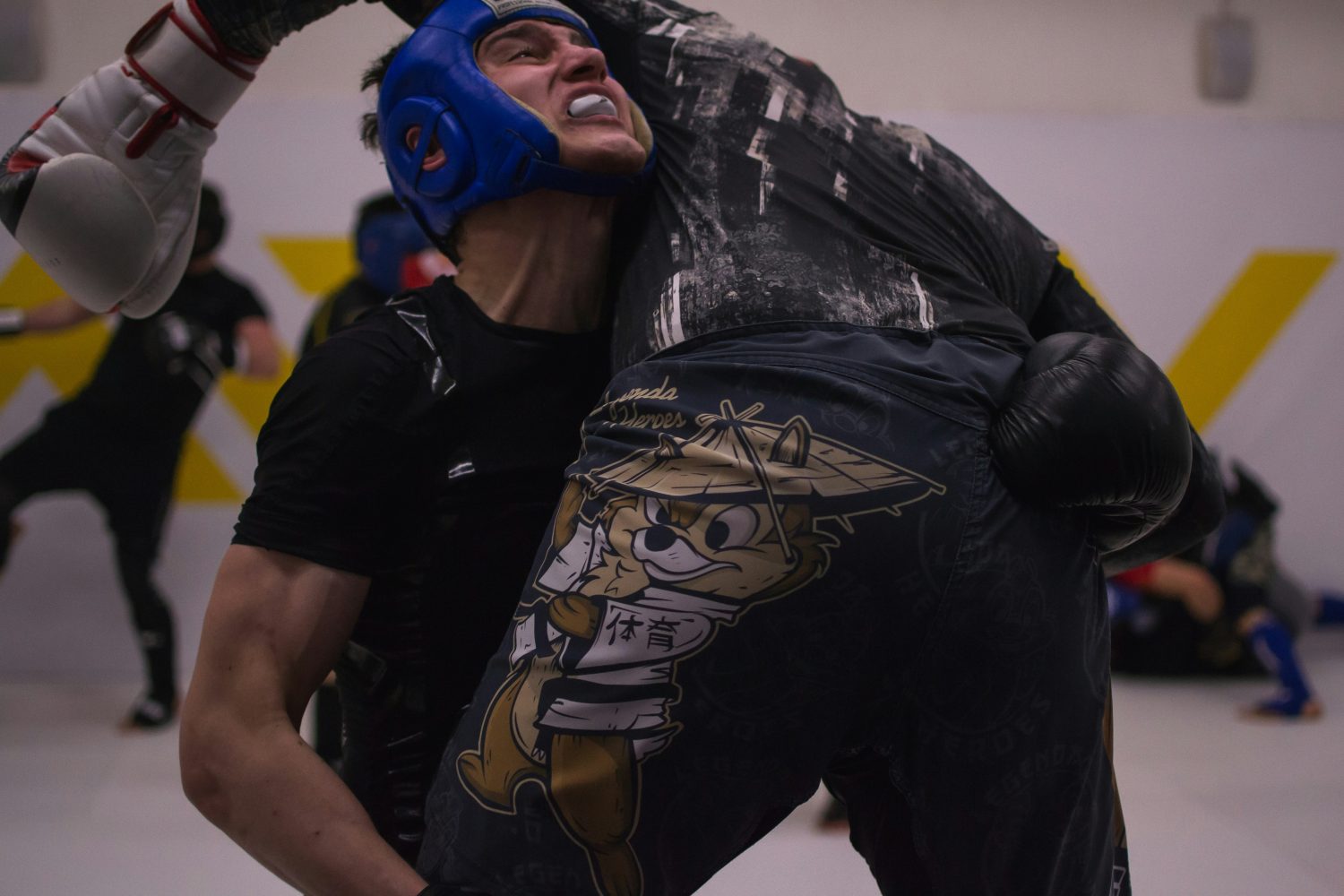
The best way to prevent concussions is to wear a helmet that fits properly and is designed for your sport. However, there’s more to concussion prevention than just headgear. A mouth guard for athletes can also help reduce the risk of a concussion. Wearing a custom-fit mouth guard, like those from getcheeky.com, can help absorb and redistribute the force of an impact, potentially reducing the severity of head trauma.
By providing extra protection for your jaw and teeth, a well-fitted mouth guard can minimize the risk of concussions, especially in contact sports where head impacts are common.
2. Dental and Jaw Injuries: A Risk You Can’t Ignore
Dental injuries are a common occurrence in many sports, especially those involving physical contact or risk of falls, such as basketball, football, and martial arts. These injuries can range from chipped or broken teeth to more severe fractures and even jaw dislocation. Dental injuries cause physical pain and can also be expensive to treat, taking a long time to heal.
Sports Injuries and Prevention:
The best way to prevent dental injuries is by wearing a mouth guard for athletes. A custom-fit mouth guard from Cheeky is designed to fit comfortably over your teeth, providing a barrier between your mouth and any impact. Custom mouth guards offer superior protection compared to generic boil-and-bite options, as they’re molded to the unique contours of your mouth, ensuring a snug fit that maximizes protection without compromising comfort.
In addition to preventing tooth damage, a well-fitted mouth guard also offers protection from jaw injury, reducing the risk of fractures or dislocations caused by high-impact collisions or falls.
3. Sprains and Strains: Keeping Your Muscles Safe
Sprains and strains are common injuries that affect the muscles and ligaments, often caused by overexertion, improper technique, or sudden movements. When you’re sprinting, jumping, cycling, or twisting, these injuries can happen in nearly every sport. Common areas for sprains and strains include the ankles, knees, and shoulders.
Sports Injuries and Prevention:
Wearing the appropriate sports safety equipment can help prevent sprains and strains. For example, ankle supports or knee braces can provide extra stability and reduce the risk of injury, especially if you’re prone to rolling your ankle or overstretching your knee.
Stretching before and after activity is also crucial for maintaining flexibility and muscle health.
Proper footwear is another critical factor in preventing these injuries. Shoes designed for your specific sport will provide the necessary support and cushioning to absorb impact and prevent unnecessary strain on your joints and muscles.
4. Knee Injuries: Protecting Your Most Vulnerable Joint
Knee injuries, including tears to the ACL (anterior cruciate ligament) or MCL (medial collateral ligament), are common in sports that involve sudden changes in direction, jumping, or pivoting, such as basketball, soccer, and skiing. These injuries often result in long recovery times and can sometimes end an athlete’s career.
Sports Injuries and Prevention:
To prevent knee injuries, wear knee braces or supports that offer stability and protect the ligaments from sudden twists or impacts. Additionally, strengthening the muscles around the knee, such as the quadriceps and hamstrings, can provide additional support and reduce the risk of injury. Proper warm-up exercises, including stretching and strengthening routines, are also important for maintaining knee health.
5. Ankle Injuries: The Quick Misstep That Can Sideline You
Ankle sprains and fractures are common in sports like basketball, soccer, and running. A simple misstep or awkward landing can result in a sprain or even a fracture, causing severe pain and requiring weeks of rehabilitation.
Sports Injuries and Prevention:
Preventing ankle injuries starts with wearing ankle supports or braces, which help provide stability and prevent rolling or twisting. High-top shoes also provide additional ankle support, especially in sports like basketball, where sudden changes in direction are frequent. Just like with knee injuries, strengthening the muscles surrounding the ankle can improve stability and reduce the risk of injury.
Proper warm-up and cool-down exercises, along with flexibility training, can also play a significant role in preventing ankle injuries. Athletes should focus on exercises that strengthen the calves, shins, and feet to support the entire lower leg.
Protecting Yourself with the Right Gear
While sports injuries are a natural risk of physical activity, the right protective gear can significantly reduce the likelihood of serious damage. From mouth guards for athletes to sports safety equipment like knee braces and ankle supports, the right gear can provide the protection you need to stay safe on the field, court, or track.
A custom-fit mouth guard from Cheeky is one of the most effective ways to protect your teeth, jaw, and head during high-impact sports. By investing in quality gear and taking proper precautions, you can help minimize the risk of injury and ensure that you stay in the game for years to come.
–
Sponsorship Disclaimer
This article is sponsored by getcheeky.com. References to Cheeky mouth guards and related products are part of the sponsored placement. Respect My Region provides lifestyle and sports coverage for informational and entertainment purposes only. Respect My Region does not guarantee specific injury-prevention results or outcomes from any product mentioned.
Medical & Health Disclaimer
This article does not provide medical advice, diagnosis, or treatment recommendations. Information presented here is general in nature and should not be used as a substitute for consultation with a qualified healthcare professional, athletic trainer, dentist, or physician.
Sports injuries vary from person to person. Always seek professional guidance if you experience pain, injury, or symptoms related to athletic activity.
Product Use & Safety Disclaimer:
Sport safety equipment, including mouth guards, braces, supports, or protective gear, must be used according to manufacturer instructions. Individual results may vary based on fit, activity intensity, and personal health. Respect My Region is not responsible for improper use, misuse, or modification of any protective product referenced in this article.
Non-Endorsement Disclaimer:
Mention of any sports equipment, safety gear, or third-party brands does not constitute an endorsement by Respect My Region. Readers should evaluate all products independently, review materials and warranties, and consult qualified professionals to determine whether a product is suitable for their individual needs.