
Mental health stories aren’t always loud. Sometimes they arrive as storms. Sometimes they move slowly and quietly, like clouds you don’t notice until everything feels heavy. And sometimes they break open all at once. In their book Through the Storm of Mental Health, authors Lizbeth Ortega and Anthony Gardner step directly into that reality. They don’t try to sanitize it or turn it into a clinical explanation. They describe what it actually feels like to live inside the chaos, the stigma, the doubt, and the rebuilding that follows.
This isn’t a textbook. It’s two real people sharing what it took to survive their own storms and what recovery looks like when it’s earned over time, not promised overnight.
Their writing weaves poetry, lived experience, and reflection around anxiety, grief, homelessness, hospitalization, and healing. It’s honest. It’s vulnerable. And for people silently fighting their own battles, it’s necessary.
I recently spoke with co-author Anthony Gardner about his story, his creative process, and what motivated him to share experiences that many people feel pressured to hide.
Anthony doesn’t speak like someone trying to impress anyone.
He speaks like someone who lived through it and earned every word.
Their writing is layered with poems about anxiety, grief, heartbreak, and learning to cope. It’s honest. It’s vulnerable. And for a lot of people silently fighting their own battles, it’s necessary.
I recently sat down with co-author Anthony Gardner to talk about his story, his creative process, and what he hopes readers walk away with after turning the last page. Anthony doesn’t speak like someone trying to impress anyone.
He speaks like someone who lived through it and earned every word.
Finding Language for the Storm
For Anthony, the storm didn’t begin as something easily defined. For a long time, it was written off as stress or intense emotions, something to push through and manage quietly. That changed when he was hospitalized and placed on a 51-50 psychiatric hold. That moment forced a realization that what he was experiencing went beyond everyday stress.
In the first years after his diagnosis, it was his therapist who encouraged him to focus intentionally on recovery. Not just surviving day to day, but learning how to understand himself, his mind, and the weight of what he had been carrying.
The storm reached its peak during that early period. Anthony describes struggling deeply with the stigma attached to mental health diagnoses, internalizing dark thoughts, self-doubt, and the constant pressure of “shoulding” on himself. During periods of homelessness, he experienced vivid visual hallucinations that stayed with him, including moments where he saw imagery like a dragon fighting a firebird or phoenix moving through the clouds. Those visions were intense, frightening at times, but also deeply symbolic in hindsight.
Rather than dismissing those experiences, Anthony learned to reflect on them, looking for meaning, patterns, and insight into how his mind was processing the world around him.
That reflection became part of his healing.
Anthony says one of the main motivations for sharing his story publicly was to inspire others who might be walking a similar path. Lowering the stigma around mental health mattered to him, but so did the personal benefit of sharing. Writing became therapeutic, and he views openness as both healing and preventative.
In his section of the book, Anthony writes from his own perspective without trying to speak for anyone else. He shares what he experienced as honestly as possible, knowing that lived experience doesn’t need to be universal to be valuable.
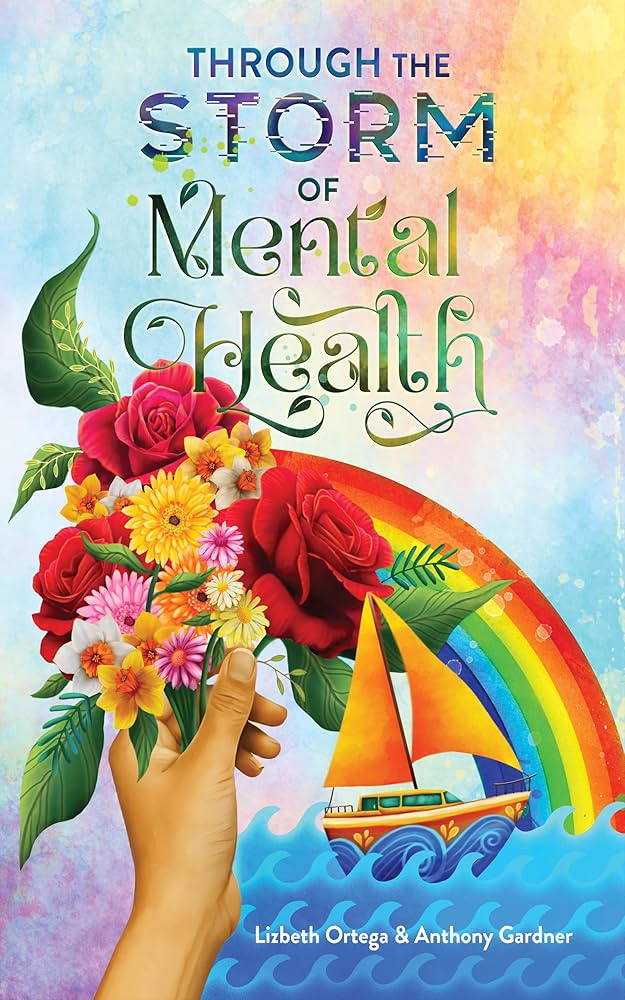
That honesty extends beyond words. Anthony originally created artwork by hand for the book, a drawing of a hand holding flowers beneath a rainbow after a storm. The image represents the calm that follows hardship and the different stages of recovery, reflected through color.
Lizbeth later had the artwork digitized and enhanced, preserving the original meaning while expanding its visual impact for the book cover.
Living With a Mental Health Condition
Today, Anthony describes his life as stable. He manages his mental health independently, sees a doctor every ninety days, and volunteers with the mental health department. He’s learned to cope with stress and anxiety far more effectively than in the past, and he hasn’t experienced hallucinations in years.
He’s also been able to maintain steady employment, something that once felt uncertain.
One thing Anthony hopes people understand is that vulnerability is a skill. Being honest with yourself, asking for help, and reflecting on past experiences takes strength. He finds value in learning from the visions and experiences he once feared, using them as tools for understanding rather than shame.
The hardest part to accept, he says, is the reality of long-term medication. There were moments filled with self-doubt, hopelessness, and thoughts of giving up entirely. Accepting that recovery didn’t mean eliminating struggle, but learning to live alongside it, was one of the most difficult lessons.
Recovery, Setbacks, and the Calm Afterward
Anthony describes feeling the “calm after the storm” when he became active in recovery groups, volunteered at the mental health center, and began working events again despite his diagnosis. Those moments proved that a diagnosis didn’t erase his ability to contribute, connect, or succeed.
His recovery wasn’t built on medication alone. Therapy, group sessions, case managers, counselors, and support systems all played a role. So did movement and creativity, including Tai Chi, skateboarding, and intentional self-care, along with support from family and community.
There were setbacks. Homelessness, hospitalization, missed opportunities, and difficulty finding work early on were all part of the journey. But Anthony says the part of his recovery he’s most proud of is continuing to recover every day without giving up on himself, and being able to share his story with others who are willing to listen.
He didn’t shy away from setbacks. There were days he questioned if he’d ever feel normal again. But each setback taught him something, and each new lesson pulled him further into the calm he writes about in the book.
Poetry and Healing
Writing became one of Anthony’s most powerful tools. He’s spoken publicly about his experience, including a presentation at a hospital last year attended by more than twenty-five staff members. He’s also received positive feedback from family members who better understood his journey through his words.
Most of his poems are written as reflections of the moment he was in at the time, free-form expressions rooted in honesty. One poem in particular, titled “Imagine,” best represents his story through its imagery and wordplay.
Anthony hopes the people who read it feel less alone.
He wants them to see that healing isn’t a straight line and that struggling doesn’t make you broken. It makes you human.
He told me that if even one person reads the book and says, “I feel seen,” then it was worth writing.
That’s the heart of Through the Storm of Mental Health. Two authors opening their lived experiences so others can feel empowered to open theirs, too. Two people showing that resilience isn’t just a motivational word. It’s a process. It takes time. And it’s worth the work.
Mental health conversations are changing, but so many people are still afraid to talk about what they’re going through. Books like this cut through the shame. They give people a reference point, a language, and a sense of community.
As Anthony said, storms don’t last forever. But the strength you build while surviving them does.
For anyone navigating anxiety, grief, depression, trauma, or an unnamed storm that isn’t easy to talk about, Anthony’s story brings a steady voice to the conversation. It reminds readers that healing may not look perfect, but it’s real. And it’s possible.
If you’re interested in purchasing a copy, click the link here and order yours today.